Green Germans Can’t Enlighten The French

Thank goodness. They remain determined to not only keep using nuclear energy, but to ramp up their program.

The French, for their part, haven’t been able to make clear to the Germans a startling discovery they made a few years ago: Nuclear power is reliable because it produces day and night. The German renewables, well, aren’t, don’t and never will.

France ramps up nuclear power as Germany closes plants in the name of clean energy.

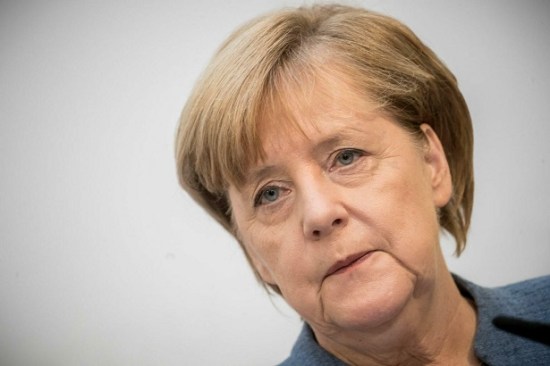
Chancellor Angela Merkel soon caved to public pressure and announced Germany would phase out all nuclear power within 10 years. Her government kept that promise. Germany’s new chancellor, Olaf Scholz, wants to speed up the phase-out of coal and eventually natural gas. He promises that by the end of this decade, 80% of Germany’s energy will be from renewables. And he doesn’t include nuclear in that category.

German Green Government In Action

It’s brilliant, really. Or diabolical, if you prefer.

First create the current energy crisis by forcing the country to go down the ideological path to unreliable and unaffordable renewable energy, come what may, heavily burdening the German taxpayer, consumer and businessman in the process. Then promise aid to those most negatively affected by this crisis by burdening the German taxpayer, consumer and businessman even further. And still come out of it smelling like a rose. Aid here is just another nice word for taxation.

Germany’s soaring energy prices force government to promise aid – Headline inflation dips slightly, but energy costs still rising at double-digit pace.

Progress

Living the Green German Dream.

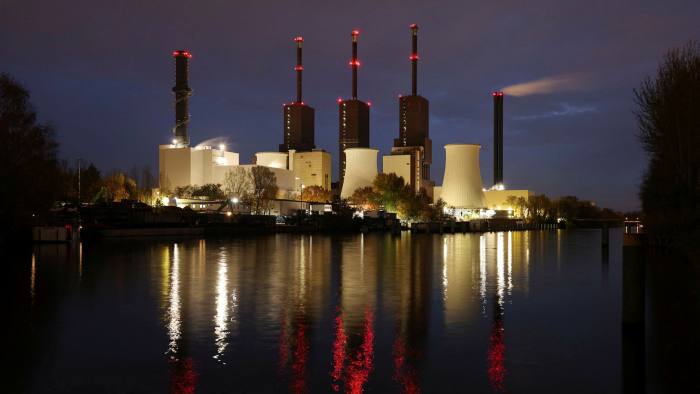
In their Green German Dream World. The Germans proudly demonstrate to the rest of the world how to turn off their nuclear power plants (and their “dirty” power plants too) while simultaneously importing nuclear energy from France and dirty natural gas from Russia to make up the difference.

Germany shuts down half of its 6 remaining nuclear plants – Germany on Friday shut down half of the six nuclear plants it still has in operation, a year before the country draws the final curtain on its decades-long use of atomic power.

How Did This Land In Der Spiegel?

But I guess even a blind squirrel finds a nut once in a while.*

The Dirty Truth About Clean Technologies – The poor South is being exploited so that the rich North can transition to environmental sustainability. Entire swaths of land are being destroyed to secure the resources needed to produce wind turbines and solar cells. Are there alternatives?

Yes, there are. One of them is called “nuclear energy.”

*The Germans say “even a blind chicken finds a kernel of corn once in a while.”

Salvation Complex

Is not all that complex, really.

Salvation

Germany remains the “country of prohibitions.” Why? Because Germans like them. „Verboten ist, was nicht ausdrücklich erlaubt ist.“ Whatever is not expressly allowed is forbidden.

In truth, Germany’s salvation complex is deeply and culturally ingrained, and has a track record for giving rise to the kind of blind activism that typically hurts stated objectives in the end. As Chancellor Angela Merkel battles to keep the lights on for households and businesses barely coping with record-high energy prices thanks to the much-hyped Energiewende, it is clear that German’s hamfisted attempt at a speedy energy transition is the most tragic example of environmental zealousness to date.


Just Say No

No, not no to drugs. Just say no to energy. Electricity was yesterday.

Energy

No nuclear energy, no coal energy. Not much sun either for solar energy. There’s lots of wind in Germany, though. Hot air mostly but still.

Germany is first major economy to phase out coal and nuclear – German lawmakers have finalized the country’s long-awaited phase-out of coal as an energy source, backing a plan that environmental groups say isn’t ambitious enough and free marketeers criticize as a waste of taxpayers’ money.

Bills approved by both houses of parliament Friday envision shutting down the last coal-fired power plant by 2038 and spending some 40 billion euros ($45 billion) to help affected regions cope with the transition.

The plan is part of Germany’s ‘energy transition’ – an effort to wean Europe’s biggest economy off planet-warming fossil fuels and generate all of the country’s considerable energy needs from renewable sources. Achieving that goal is made harder than in comparable countries such as France and Britain because of Germany’s existing commitment to also phase out nuclear power by the end of 2022.

These Wind Turbines Don’t Work

Wind

German wind energy is in a crisis – “Five times the amount of wind turbines are needed.”

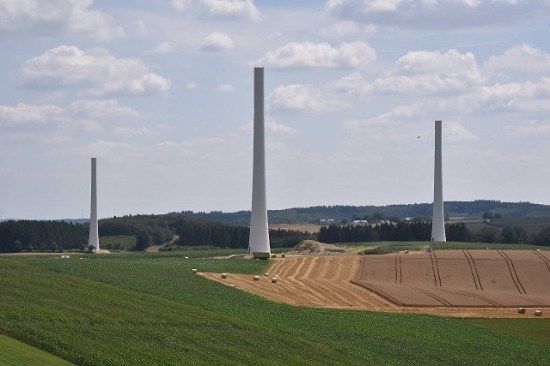
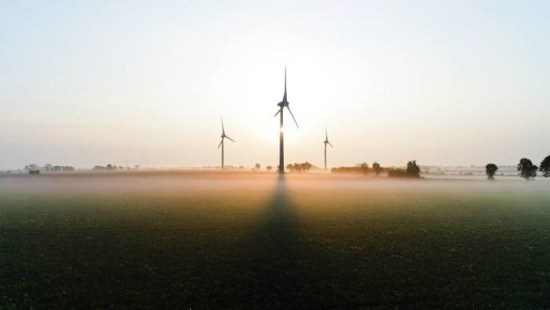
Like these wind turbines up  there, Germany’s energy turnaround just isn’t turning around the way the smart people who planned it planned it. To turn around.  Unless turning around and around  in circles counts.

A mere 1078 megawatts worth of wind turbines were built last year – nearly 80 percent lower than the 2017 level.

Eine Windkraft-Leistung von gerade mal 1078 Megawatt wird im vergangenen Jahr installiert – fast 80 Prozent weniger als noch 2017.

But Where Does All This CO2 Keep Coming From?

We’ve shut down practically all of our nuclear power plants already.

Plant

Of course, we had to replace them with dirty coal-firing ones but we’ll be shutting those down soon too. Unfortunately, the renewable utopia we ordained those many years ago still isn’t working yet for some odd reason nor does it look like it will anytime soon. But still. At least the energy prices German consumers have to pay keep climbing and climbing to ever ridiculously high and higher levels. Maybe we could start cutting off power in German homes and industries for a few hours every day and get the populace to stop making so much CO2 that way – and spend more time out in “nature.” It would only be for their own good. Then the rest of the world would admire us yet again for the fine example we have set and start emulating us with gratitude (we are the Big Green and Moral Superpower, after all). Then Planet Earth and Planet Germany would be rescued in no time.

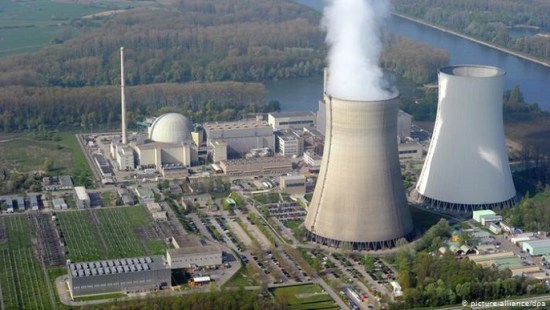
Germany shuts down atomic plant as nuclear phase-out enters final stretch – The Philippsburg power station is one of the only plants still operating in the southern state of Baden-Württemberg. Germany has vowed to start decommissioning every nuclear power facility by the end of 2022.

Angela Merkel’s blunder of the decade that’s taboo in Germany (he means before her blunder in 2015).

We’ll Always Have Paris

Sometimes relationships just don’t make sense anymore.

Wind

People and renewable forms of energy grow apart and become, you know, different people. Then it’s time to move on. It’s tragic, I know. It’s heartbreaking. But that’s the way the German wind turbine crumbles.

German campaigners fall out of love with wind power – Growing opposition and lack of land spark collapse in construction of new turbines.

Der Ausbau der Windenergie ist ins Stocken geraten. Droht der Branche das gleiche Schicksal wie der Solarindustrie?

Ever Had A Windmill Shoved Down Your Throat?

How about thousands of them? And then you’re allowed to subsidize them all?

Windmill

You’d hat them too.

Germany’s Giant Windmills Are Wildly Unpopular – Local politics are a bigger problem for renewable energy growth than competition from fossil fuels.

Despite their surging popularity in Germany and elsewhere in Europe, the Greens did badly in last Sunday’s election in the German state of Thuringia, and the nationalists from the Alternative for Germany Party (AfD) did very well. An important reason is that the Greens support wind energy and the AfD militates against wind turbines. The giant windmills have grown so unpopular in neighboring communities that their construction in Germany has all but ground to a halt.

There are nearly 30,000 wind turbines in Germany, more than anywhere else in Europe. Only China and the U.S., both much bigger countries, have more. Germany gets 23.5% of its energy from wind this year; it’s the biggest source of renewable energy for the country. But in the first half of 2019, only 35 wind turbines were added — an 82% drop compared with the first six months of 2018. Last year was bad, too: Just 743 turbines were added, compared with 1,792 in 2017.