Germany Urges Citizens To Leave Iran, Starts Evacuating Embassy – Amid daily antigovernment protests across Iran, Germany’s government on Thursday urged its citizens to leave the country or risk arbitrary arrest and long prison terms there.
Warning that dual nationals who have Iranian as well as German citizenship were particularly at risk, Germany’s Federal Foreign Office said in a statement that “For German nationals there is a concrete risk of being arbitrarily arrested, interrogated and sentenced to long prison terms.”
Is that an Olympic discipline? Or lack of discipline, I should say?
You can never have enough recreational taxation here.
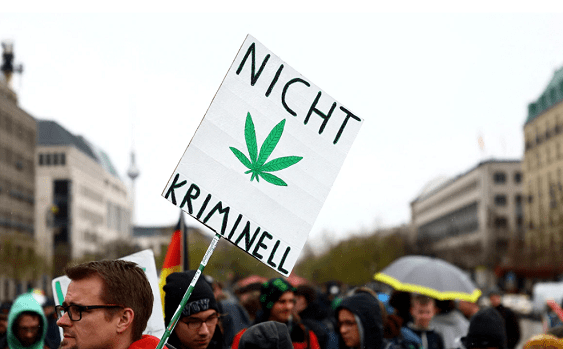
Germany moves to legalize recreational cannabis – Germany on Wednesday announced plans to legalize cannabis for recreational use. It was a move the country’s health minister said would make Germany Europe’s “most liberal cannabis legalization project” but also its “most tightly regulated market.”
Ausgeschlossen (no way)! German authorities would never allow such a thing.
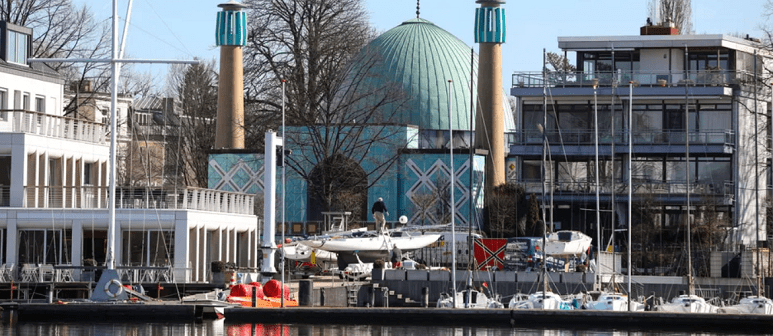
Hamburg Mosque Reportedly a Hotbed for Iranian Propaganda – The Hamburg Islamic Center is considered the most important outpost of the Iranian regime in Germany. But since it is also reportedly used to spread the mullahs’ propaganda across Europe, calls are growing for its work to be restricted.
Germany’s domestic intelligence agency, the Office for the Protection of the Constitution, which is charged with keeping tabs on all forms of extremism, has been observing the IZH community for many years and describes it, besides the Iranian Embassy, as “Iran’s most important representation in Germany and a significant center of propaganda” in Europe.
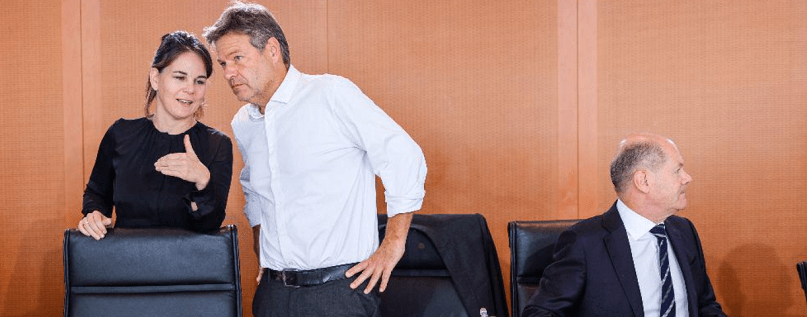
Nuclear power: German Greens put pragmatism first – The Green Party has seen challenges to its core principles ever since it became part of Germany’s three-party government. Pragmatism is forcing painful decisions on weapons exports, fossil fuels, and nuclear power.
Germany’s Continued Illusions About China and Russia – Berlin’s pursuit of economic and political ties with Beijing and Moscow has created dangerous dependencies. A change in strategy would benefit both Germany and the EU
Over the years, these two authoritarian regimes embedded themselves in the German economy and ingratiated themselves with the elites. Such developments prevented the EU from forging a coherent, critical strategy toward both Moscow and Beijing.
Thank God. The Germans are relieved. For a while there things were starting to look way too positive.
Post-Brexit-wise.
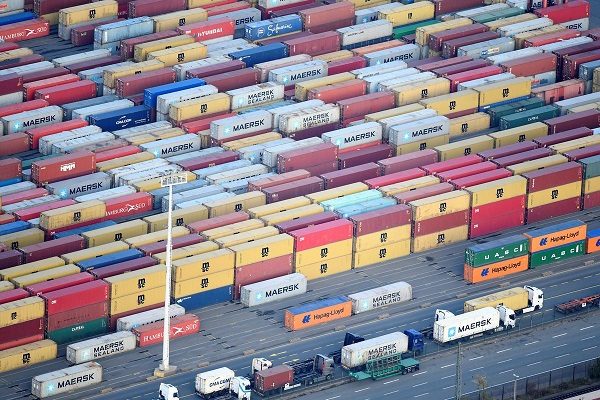
Positive trend in German exports to Britain no cause for optimism – DIHK.
German exports to Britain this year could grow for the first time since 2015, statstics office data showed, but the DIHK business association said the numbers did not mark a turn for the better, especially in light of Britain’s current turbulence.
This happens here all the time. When is Germany finally going to introduce stricter knife control laws?
2 killed in stabbing in southwest Germany, suspect detained – Police say two people have been killed and another seriously wounded in a stabbing in southwestern Germany.
The 25-year-old suspect, a Somali citizen, initially fled the scene and was detained in a drugstore…
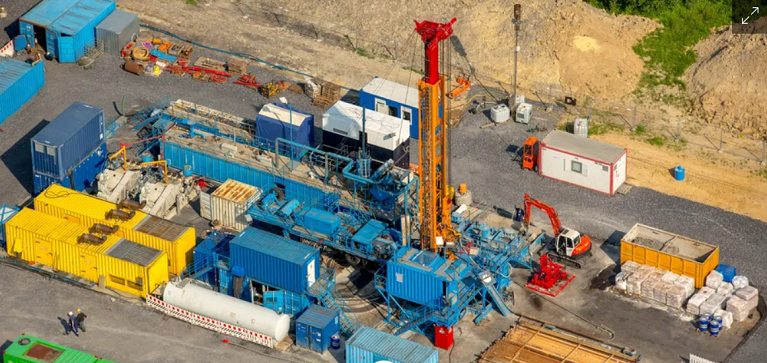
German of the day: Wir sollten Fracking ernsthaft in Erwägung ziehen. That means “We should seriously consider fracking.”
Reinhard Ploss was head of chip company Infineon, now he heads the German government’s Future Council. Here he talks about how Germany should respond to the energy crisis and why robots are the future.
Let’s turn off our remaining nuclear power plants too.
We have a reputation for being gründlich (thorough), after all.
Germany’s scramble to revamp its energy policy – Germany woke up too late to the risks of energy dependence on Russia. Moscow’s natural gas shutoff may make it one of the hardest-hit EU economies.
At a dinner at the German embassy in London on October 23, 1980, German Chancellor Helmut Schmidt shocked British Prime Minister Margaret Thatcher when he told her that West Germany relied upon the Soviet Union for 14 percent of its daily natural gas consumption. “That was very dangerous and unwise,” she said. Mr. Schmidt responded, “My dear Margaret, the Russians have always been the most reliable suppliers. They need us as much as we need them. There is no danger at all.” For nearly 40 years, the chancellor’s optimistic assessment appeared accurate, and Germany’s dependence on Russian gas only kept increasing.