No, wait a minute. That’s going to be more like 1,500.
Sorry. We’re going to have to settle with 15 (fifteen).
But that’s still way more than the Dirty Dozen.
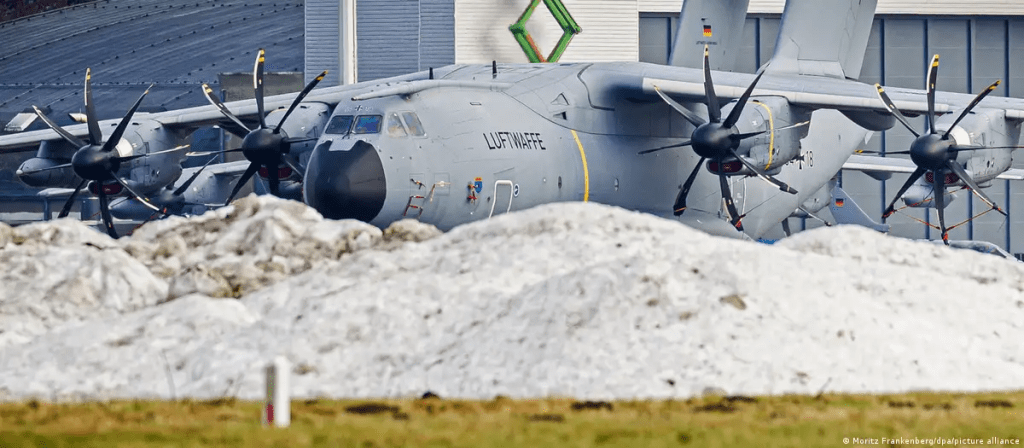
German military personnel set to arrive in Greenland – Germany said that the European mission in Greenland was there to counter “threats” from Russia and China. The German team is among the groups of European military personnel who are scheduled to arrive in Greenland.
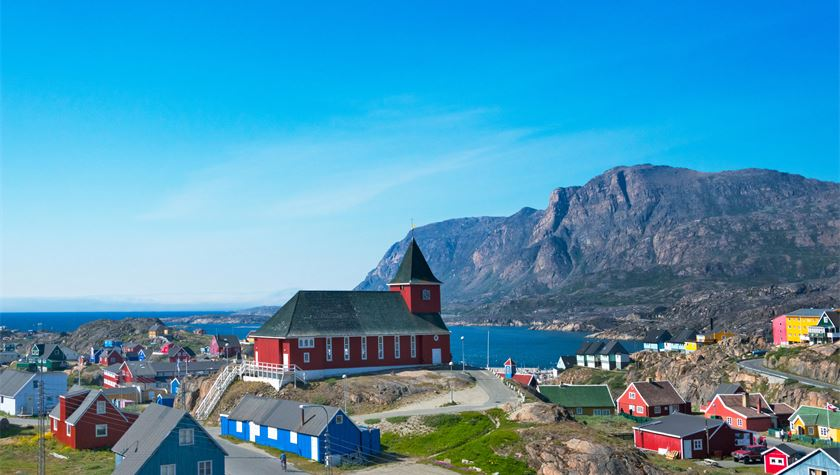
Greenland’s colonial past could be Washington’s way in – Greenland’s legacy of Danish colonialism, forced relocations and cultural trauma may now become the opening Donald Trump needs to pull the island away from Europe’s orbit.
When US President Donald Trump first mused about a Greenland takeover, the initial reactions were a blend of disbelief, bemusement and nervous laughter. It felt like yet another outlandish flourish, and marginally more realistic than annexing Canada.
But beneath the jokes sat a truth few confronted: Greenland’s position within Europe is fragile. The island bears deep scars from Danish colonialism, depends heavily on Danish funds and exists in a constitutional limbo: tied to Denmark, yet outside the EU’s political system. Those unresolved tensions leave Greenland politically unanchored, and exposed.
It just wants to tell you what not to think. It suppresses American viewpoints, in other words.
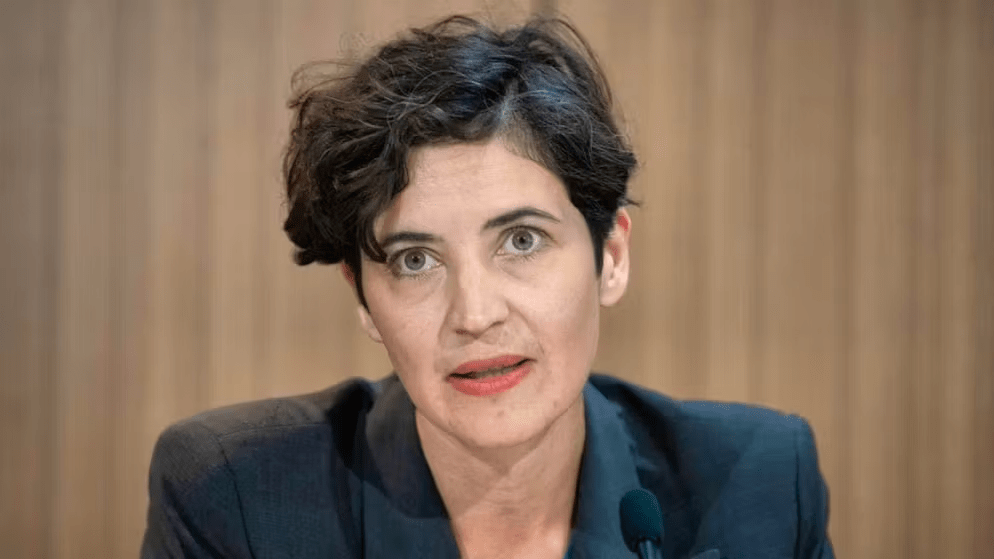
USA sanctions leadership of German organization HateAid – The entry ban imposed by the US government due to alleged censorship of American online platforms also affects the directors of the German organization HateAid, which is committed to combating hate online.
“For far too long, ideologues in Europe have led organized efforts to force American platforms to punish American viewpoints that do not suit them.”
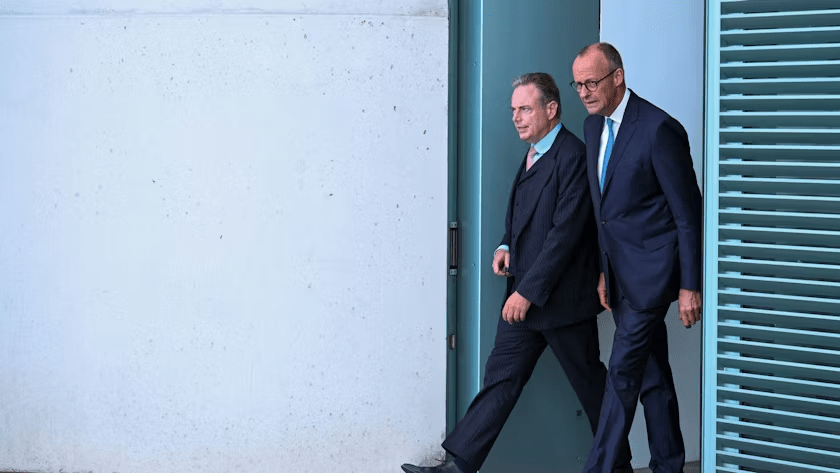
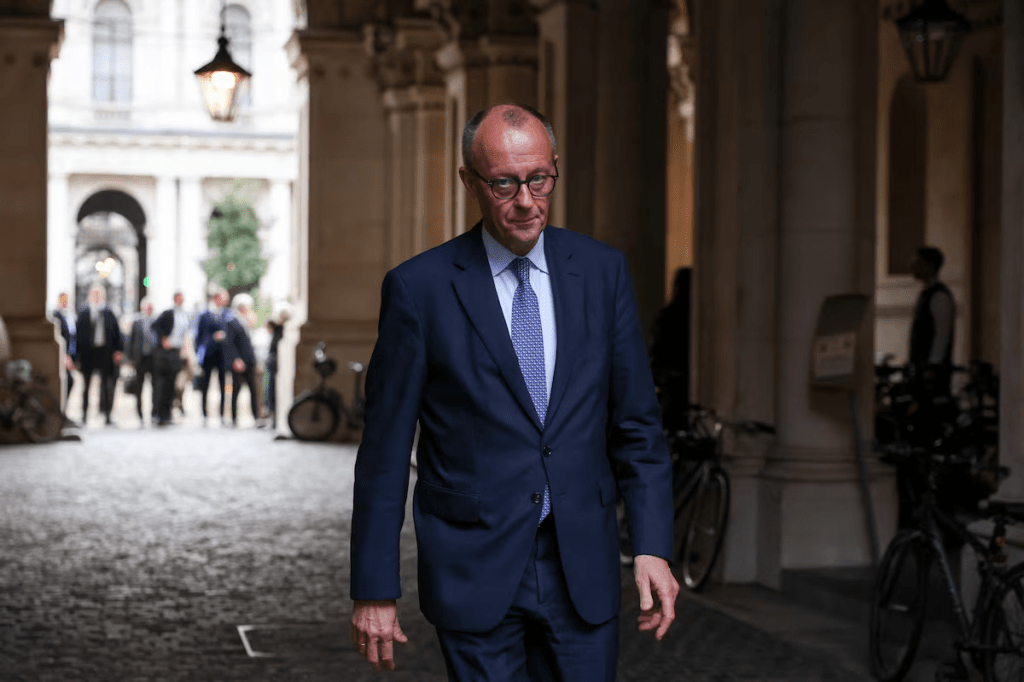
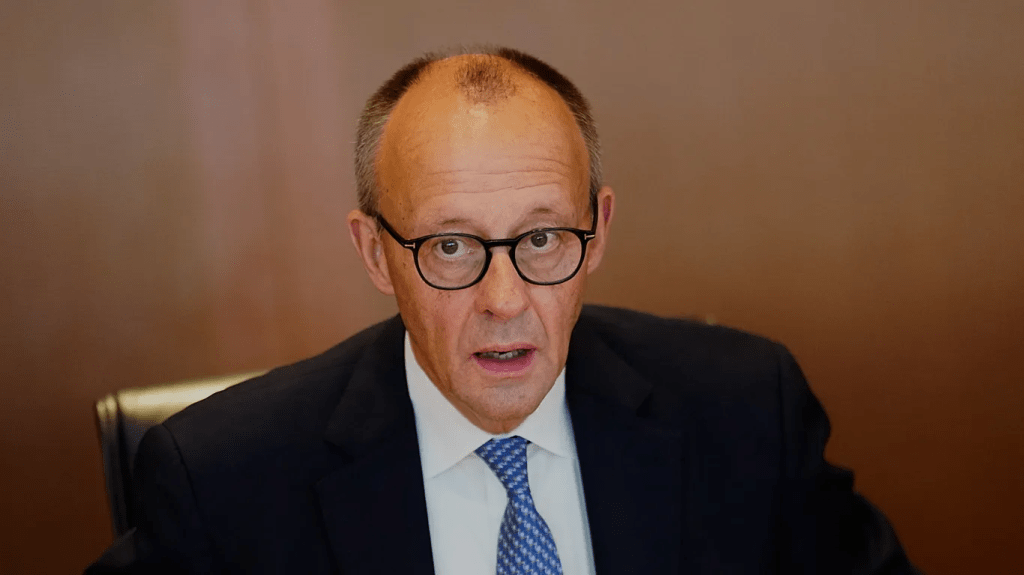
Germany’s Merz: Europe must become less dependent on United States – German Chancellor Friedrich Merz on Tuesday rejected a blistering attack on European democracies by the Trump administration, which issued a strategy paper last week declaring that the continent faced “civilizational erasure.”
The U.S. National Security Strategy, made public last week, caused shock across Europe, with a broadside that accused European governments of “subversion of democratic processes” and said U.S. policy should include “cultivating resistance” within the European Union.
If the future of the world is being shaped in Europe then the future looks pretty dim indeed.
The future of the world is being shaped in Europe, says German Chancellor Friedrich Merz – In his speech to his party’s youth wing on Saturday, German Chancellor Friedrich Merz (CDU) clearly distanced himself from the far-right AfD and stressed the importance of Europe and the European Union.
German Chancellor Friedrich Merz (CDU) on Saturday stressed Europe’s strategic importance, saying that the future of the world is being shaped on the continent.
Speaking to the German youth at the Young Union (Junge Union)’s Germany Day conference in Rust, Baden-Württemberg, Merz said this was not just about the European Union but the principles guiding the coexistence of people on the continent.
Germany was billed as Europe’s growth driver. Now economists are saying: Not so fast – Huge investment pledges and major fiscal changes had bolstered hopes that Germany could give the euro zone economy a much-needed boost, but economists are starting to question if — and when — that will happen.
“The actual spending is slower than many of the more excitable pundits had expected. In Germany, it takes time to spend money.”
Survey: 63% of Germans support European sanctions on Israel – According to Deutsche Welle (DW), citing the research group Verein, the survey published by Der Spiegel Online found that 63 per cent of German voters back proposals from the European Commission to impose sanctions on Israel. Others expressed reservations or opposition.
The poll comes at a time of rising tensions in European–Israeli relations, against the backdrop of the Gaza war, which has caused widespread destruction and hunger, alongside international calls for a ceasefire and the delivery of humanitarian aid.
The influx of migrants has been out of control for ten years now and there’s no end in sight.
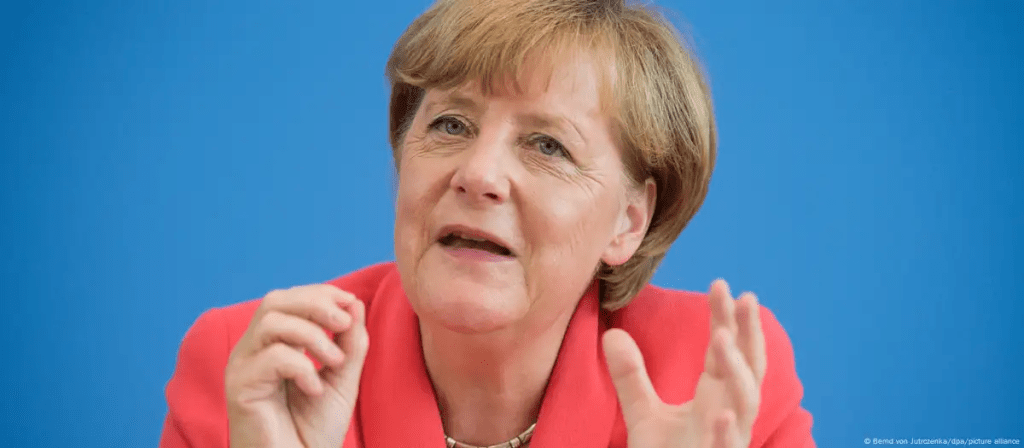
Germany updates: Merkel’s ‘Wir schaffen das!’ 10 years on – Today marks 10 years since Chancellor Angela Merkel said “we’ll manage it” as Germany welcomed hundreds of thousands of displaced people.
“Wir schaffen das” is now “wir sind geschafft.” We’re done. Exhausted.
The best part is that there are never any consequences… Right? Even when spending the money you don’t have is never actually spent.
Germany’s borrowing spree plans face a reality check – Investors would be wrong to overstate concerns about a debt surge by the country.
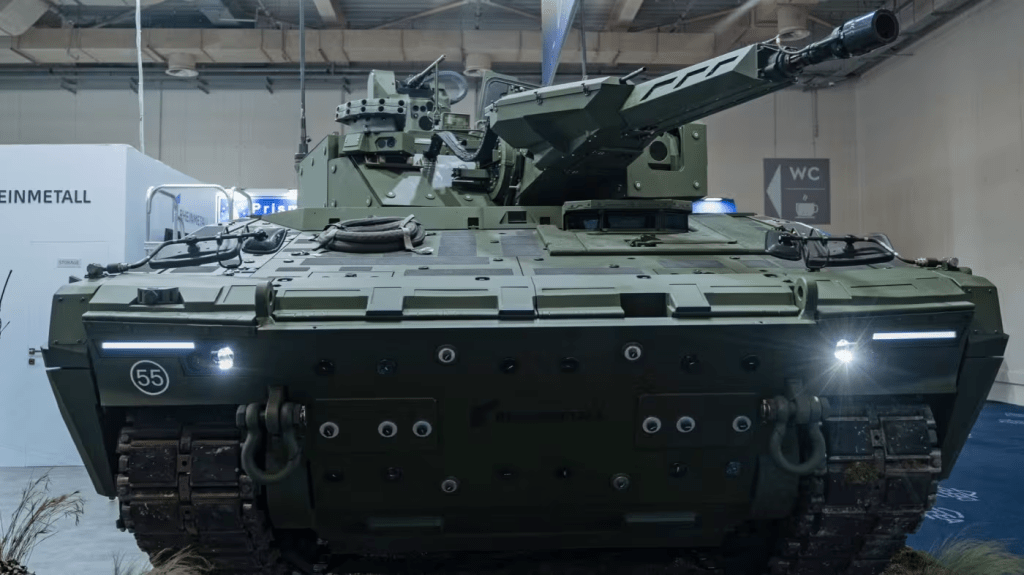
Germany has had an abrupt awakening on the need to increase defence spending. The country enjoyed an oversized peace dividend for years: before the Berlin Wall fell, west Germany spent almost 3 per cent of GDP on defence. In the three decades after 1993 that ratio dropped to around 1.2 per cent annually. Military capabilities fell commensurately.
Since Russia’s attack on Ukraine and the election of a US president given to venting misgivings about European allies, a hectic scramble has ensued to make up for lost time. As chancellor, Olaf Scholz declared a “Zeitenwende” (or historical turning point) and parliament approved a €100bn debt-financed special fund for defence spending…
Nevertheless, markets would be wrong to overstate the German debt surge. The government’s ambition will probably be thwarted when the plans get in contact with reality. Appropriating borrowing permission is much easier than actually spending it. Scholz’s military special fund is a case in point. Up to April, halfway through its life, only around a quarter of the money has been disbursed.


 Observing Hermann