Clean and lean

Very, very, lean.

But at least it’s clean. Whatever that should mean.

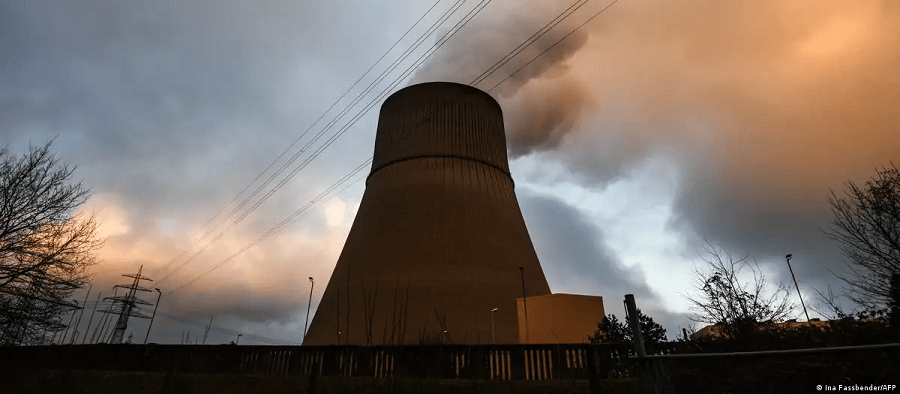
Clean energy sources generated the smallest amount of Germany’s electricity in over a decade so far in 2025, dealing a blow to the energy transition momentum of Europe’s largest economy.

Electricity generation from clean power sources totalled just under 80 terawatt hours (TWh) during the first four months of the year, according to data from energy think tank Ember.

That clean energy volume is down 16% from the same months in 2024 and is the lowest for that period since at least 2015.
We won’t break it up until it’s broken

Really broken. Even more broken than it already is (see Spain’s Green energy adventure yesterday).

Berlin faces EU test over German electricity market break-up – Sweden, Belgium and Czech Republic argue country’s market restructuring could drive prices down.

Germany’s new government faces an early test of its sway in Brussels as it defies pressure from neighbouring countries to break up the German electricity market.

Sweden, Belgium and the Czech Republic are among countries to have argued that splitting the large German market into several zones could lower prices for their consumers, as electricity flows to the region of highest priced demand.

German of the day: Niedrigenergiehaus

That means low-energy house. You know, a Green energy house?

This low-energy house looks like it had plenty of energy to me.

On Wednesday evening, the fire department was called to Schönberg in Schleswig-Holstein: A deafening rumble shook the neighborhood! There was an explosion in a single family house that blew away an entire wall…

The initial assumption is that a lithium battery storage system in the low-energy house could be the reason.

Overly dependent on Russian energy?

That was different. And that worked out just fine. But…

Germany Says Europe Shouldn’t Become Overly Dependent on U.S. Energy – Europe must not become too reliant on U.S. oil and gas, German Economy Minister Robert Habeck said on Tuesday, a day after Donald Trump was inaugurated as the 47th U.S. President.

Europe needs to “meet the Trump administration with an outstretched hand, but not have our hand cut off,” Habeck said at the Handelsblatt energy summit in Berlin, just as President Trump urged Europe once again to buy more American oil and gas.

“1.5 million Germans” can’t be wrong?

You’re right. The number of Germans being wrong is vastly higher.

When it comes to renewable energy, I mean.

‘If 1.5m Germans have them there must be something in it’: how balcony solar is taking off – Balcony solar panels can save 30% on a typical household’s electricity bill and, with vertical surface area in cities larger than roof space, the appeal is clear.

It’s just a phase-out the Germans are going through

They’ll come to their senses soon enough.

Or maybe they won’t. Hard to say for sure.

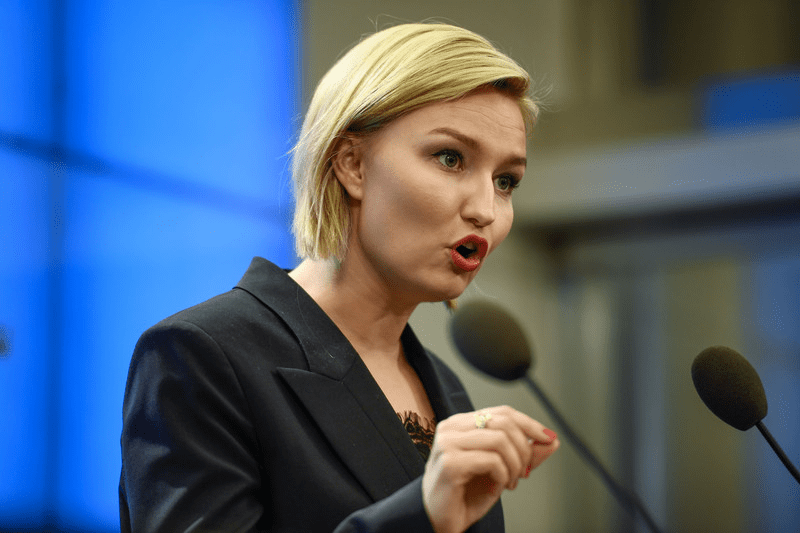
Swedish minister open to new measures to tackle energy crisis, blames German nuclear phase-out – Sweden is ready to introduce new measures to tackle the country’s soaring energy prices, Energy Minister Ebba Busch announced on Thursday (12 December), blaming Germany’s nuclear phase-out for the crisis in the country and at EU level…

One main reason Busch cited for the surge in electricity prices is Germany’s decision to dismantle its nuclear power plants, saying it also has detrimental effects for Europe.

“I’m furious with the Germans,” Busch told Swedish broadcaster SVT.

“They have made a decision for their country, which they have the right to make. But it has had very serious consequences,” she added.

German of the day: Dunkelflaute

That means the “dark duldrums.”

It’s dark here all the time these days, in other words. And there’s not much wind either. “Renewables” don’t seem to like that for some reason.

A weather phenomenon dubbed ‘Dunkelflaute’ is causing havoc in Germany and pushing energy prices to 2-decade highs – A weather phenomenon dubbed “Dunkelflaute” that causes chilly, low-wind conditions is sweeping across Europe and causing fresh havoc to Germany’s embattled economy, where energy prices have risen to a two-decade high.

A Dunkelflaute, translated as “dark doldrums” or “dark wind lull,” is the bain of renewables companies, with an extended period of low wind and cloudy weather hurting their ability to generate electricity from either wind or solar.

German of the day: Luftschloss

That means a castle in the air.

You know, a pipe dream. Like Germany’s renewable “energy turnaround” pipe dream. Only now the money has stopped coming down the pipe. Reality always sticks up its ugly little head sooner or later.

Germany Plans to Cut Renewable Subsidies as State Costs Soar – Nation to cut all payments next year when prices turn negative.

Payments will also be based on investment rather than output.

“When the government makes loans or subsidies to business, what it does is to tax successful private business in order to support unsuccessful private business.”

– Henry Hazlitt

We deceived for the greater good

Because our ideology said we could.

Green deception isn’t like normal deception. It’s cleaner. And renewable.

German ministers quizzed over nuclear phase out ‘deception’ – A political magazine alleged that the Economy Ministry hid expert advice supporting the extension of Germany’s remaining nuclear power plants. Two ministers defended their decision to a parliamentary committee.

Cicero magazine reported a day earlier that officials from the environmentally friendly Green Party had acted in a “deceptive” manner by ignoring expert advice and seeking to proceed with the phase-out of nuclear energy, which had been planned since 2011…

Habeck’s viewpoint conflicted with advice from experts who said that nuclear power could help save the use of gas and avoid a power crisis, just as Germany was trying to cut its dependence on Russian energy.

German of the day: Unwahrscheinlich

That means unlikely. As in “a recovery of German industry to the level before the war in Ukraine is unlikely.”

Go Green, go… lean.

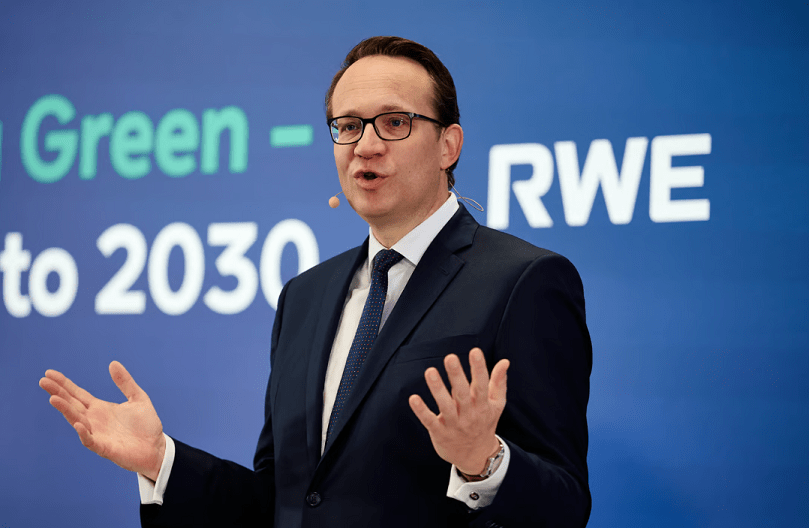
Germany set to permanently pay for reliance on Russian gas—as power chief says ‘significant structural demand destruction’ means it will never fully recover from energy crisis.

German industry got rich, thanks partly to its close energy trading relationship with political and economic rival Russia. The past few years have shown just how misguided that relationship was, as Russia invaded Ukraine and cut off Germany’s cheap, vital gas supply.

Now, one of Germany’s leading renewable-power bosses has suggested it’s a mistake the country could rue forever, as the fallout from the energy crisis is set to permanently damage its industry.