German industrial output posts biggest decline in more than three years – German industrial output fell much further than expected in August, pushed down by a sharp decrease in car production as frontloaded demand ahead of U.S. tariffs dried up.
Industrial production fell by 4.3% compared with the previous month, the federal statistics office said on Wednesday, the biggest fall since March 2022, just after Russia’s invasion of Ukraine. Analysts polled by Reuters had predicted a 1.0% fall.
If you want to properly deregulate, create a new deregulation bureaucracy first. We don’t want anybody to get fired or anything.
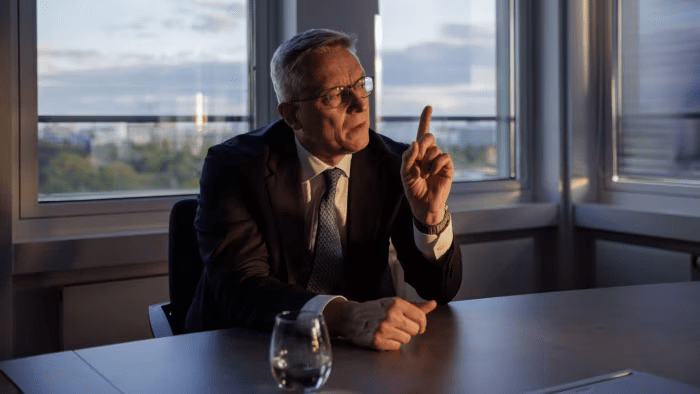
Germany’s new deregulation chief vows to be more subtle than Elon Musk – State modernisation minister Karsten Wildberger promises to bring about digital age in country clinging to fax machines.
Germany was billed as Europe’s growth driver. Now economists are saying: Not so fast – Huge investment pledges and major fiscal changes had bolstered hopes that Germany could give the euro zone economy a much-needed boost, but economists are starting to question if — and when — that will happen.
“The actual spending is slower than many of the more excitable pundits had expected. In Germany, it takes time to spend money.”
China bumps Germany off the top 10 list of most innovative nations – China moved into the top 10 of the United Nations’ annual ranking of most innovative countries for the first time Tuesday, replacing Europe’s largest economy, Germany, as firms in Beijing invest heavily in research and development.
As long as you can say you have the highest energy costs in Europe?
Or is it the highest energy costs in the world? I forget. Go, Greens!
Germany could see power supply gap in 2030, regulator says – Germany’s Federal Network Agency on Wednesday warned that rare electricity shortfalls could occur as early as 2030 if the country’s energy transition stalls, though supply is otherwise expected to remain secure through 2035.
The Security of Supply Report, approved by the federal cabinet on Wednesday, highlights the risks should renewable expansion slow, new gas-fired power plants fail to materialize, and electricity demand not become sufficiently flexible.
German car industry sheds 51,500 jobs in a year – The dip equates to almost 7% of the total workforce in the German auto sector. Faltering exports to China and the US play a role, as new tariffs raise barriers to entry in both these core markets.
“The US and China are currently the cause of major concerns.”
They all run out of other people’s money eventually.
German welfare state ‘can no longer be financed’ — Merz. The German chancellor has called for a welfare reform, putting him on course for a possible clash with the SPD.
“The welfare state that we have today can no longer be financed with what we produce in the economy,” Merz said in the town of Osnabrück.
The coalition partners had already agreed to reforming the social insurance system, which covers health insurance, pensions and unemployment benefits, due to rising costs and gaps in the federal budget.
The chancellor acknowledged that making cuts to social welfare would not be easy for the center-left SPD, but called for the two parties to work together.
Germany updates: Economy shrinks more than expected – Europe’s largest economy has shrunk, with industrial production and construction weaker than first thought. Meanwhile, Berlin is being urged to recognize a Palestinian state.
The best part is that there are never any consequences… Right? Even when spending the money you don’t have is never actually spent.
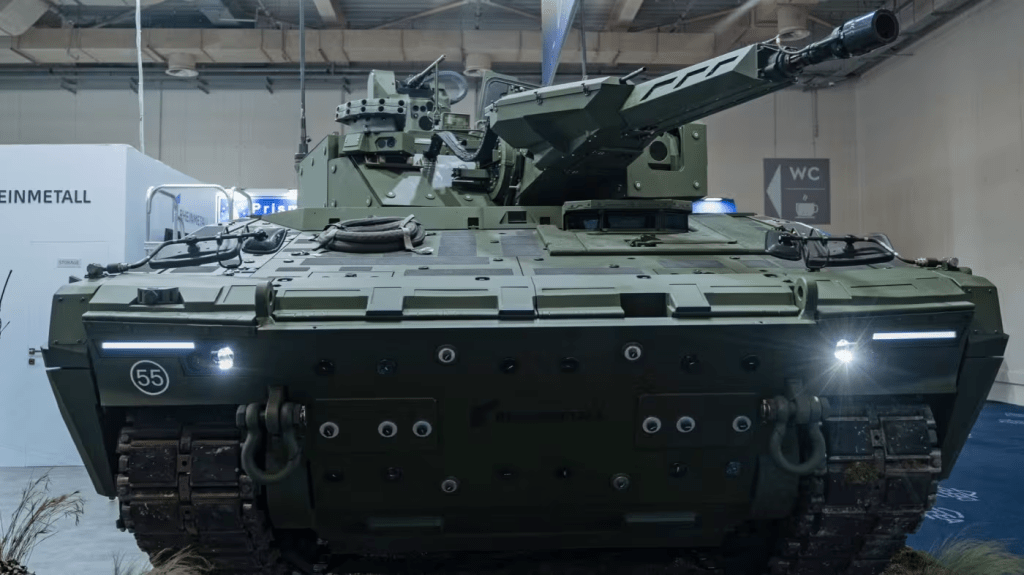
Germany’s borrowing spree plans face a reality check – Investors would be wrong to overstate concerns about a debt surge by the country.
Germany has had an abrupt awakening on the need to increase defence spending. The country enjoyed an oversized peace dividend for years: before the Berlin Wall fell, west Germany spent almost 3 per cent of GDP on defence. In the three decades after 1993 that ratio dropped to around 1.2 per cent annually. Military capabilities fell commensurately.
Since Russia’s attack on Ukraine and the election of a US president given to venting misgivings about European allies, a hectic scramble has ensued to make up for lost time. As chancellor, Olaf Scholz declared a “Zeitenwende” (or historical turning point) and parliament approved a €100bn debt-financed special fund for defence spending…
Nevertheless, markets would be wrong to overstate the German debt surge. The government’s ambition will probably be thwarted when the plans get in contact with reality. Appropriating borrowing permission is much easier than actually spending it. Scholz’s military special fund is a case in point. Up to April, halfway through its life, only around a quarter of the money has been disbursed.
If the Chinese can’t displace the American workforce anymore, then they’ll displace another one (or two, or three…).
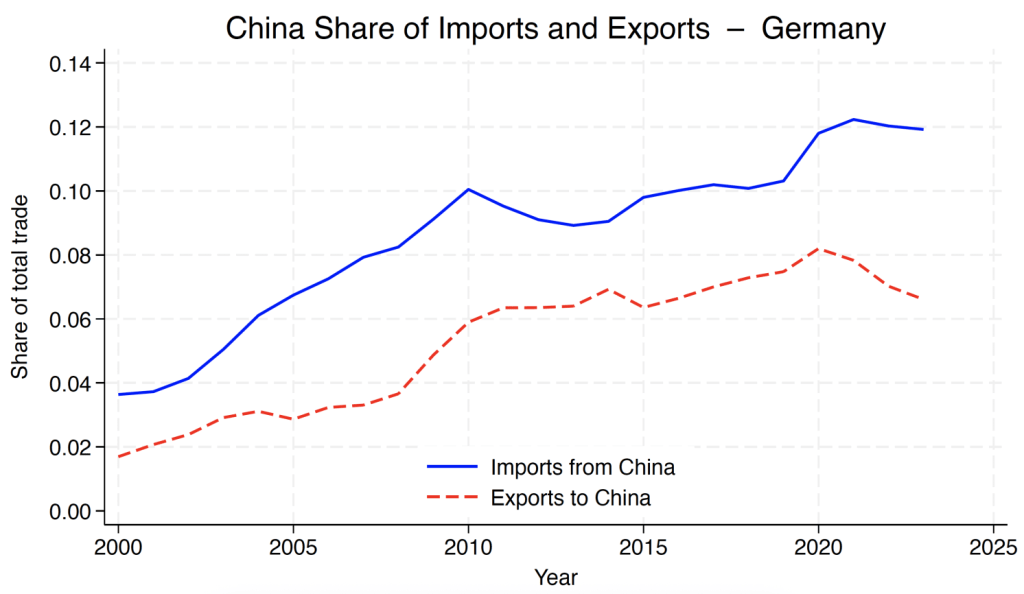
The China shock hits Germany – Trade with China displaced large parts of the American workforce in the 2000s, but Germany did not experience a similar shock at the time…