German of the day: Antrag

That means motion. As in proposal.

German immigration motion passes, breaking taboo on cooperation with AfD – Narrow passage of controversial CDU-CSU motion ends longstanding boycott on cooperating with far-right party.

The German parliament has narrowly passed a motion urging tough restrictions on immigration that was highly controversial because it was backed by the far-right Alternative für Deutschland party.

The motion was brought by the conservative opposition CDU-CSU and backed by, among others, the AfD, breaking a longstanding taboo on cooperation with the anti-immigration party.

German of the day: Harte Linie

That means a hard line.

When it comes to Germany’s migration policy. Something that has never been taken before. Or maybe this time doch (after all)? Could it really be possible now?? Nah.

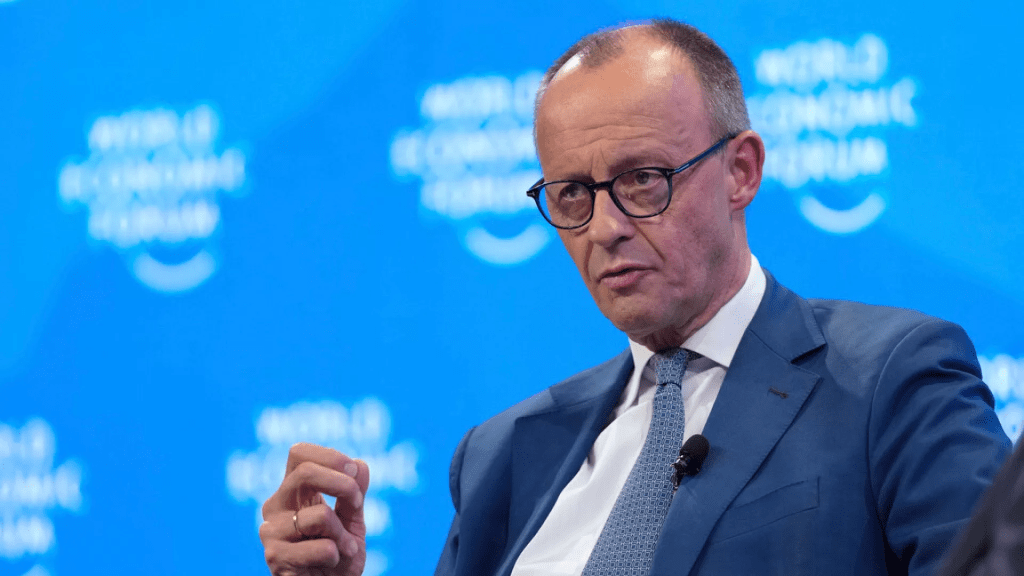
Germany’s opposition leader Merz under fire for vowing migration crackdown – Germany’s opposition leader Friedrich Merz is under fire for vowing strict border controls if he is elected chancellor, with the frontrunner citing a deadly knife attack that was allegedly carried out by a rejected asylum seeker as justification for a migration overhaul.

The leader of the Christian Democratic Union (CDU) on Thursday presented a five-point migration plan calling for, among other things, a “de facto entry ban” for all people without valid documents and permanent control of all of Germany’s borders…

Merz has steadfastly ruled out the possibility of working with the controversial AfD — which has been traditionally shunned in parliament amongst Germany’s more established parties.

Yet the AfD’s candidate for chancellor, Alice Weidel, emphatically supported Merz’s proposals, which she claimed her party had put forward first. Weidel said that the AfD could work with the CDU in order to gather enough votes for Merz’s measures to pass.

Nothing will change

The Germans will continue to vote as have; way too Green and way too Red.

And the next coalition government will be just as ineffective as the last one. For whatever mysterious reason, this is what the German electorate wants.

Germany’s likely next chancellor demands migration crackdown after knife attack – Germany’s main opposition leader demanded a sweeping overhaul of migration policy and permanent border controls on Thursday, a day after an Afghan asylum seeker was arrested for a deadly knife attack targeting children weeks before federal elections.

Friedrich Merz, who is likely to become chancellor after the Feb. 23 vote, said the attack, which killed a two-year-old boy and an adult passerby, could not become the new normal, saying all “illegal immigrants” should be turned away at the border.

The climate really is changing…

In Germany. When it comes to climate change, I mean.

Endlich (finally).

Germany’s likely next chancellor vows to put economy before climate – Conservative chancellor candidate Friedrich Merz railed against the climate policies of the left-leaning parties he’ll likely have to govern with.

Germany’s economic policies have been “almost exclusively geared toward climate protection” during the reign of Chancellor Olaf Scholz, Merz said during a campaign speech in the western industrial city of Bochum on Monday. “I want to say it clearly as I mean it: We will and we must change that.”

German of the day: Frontfrau

That means frontwoman.

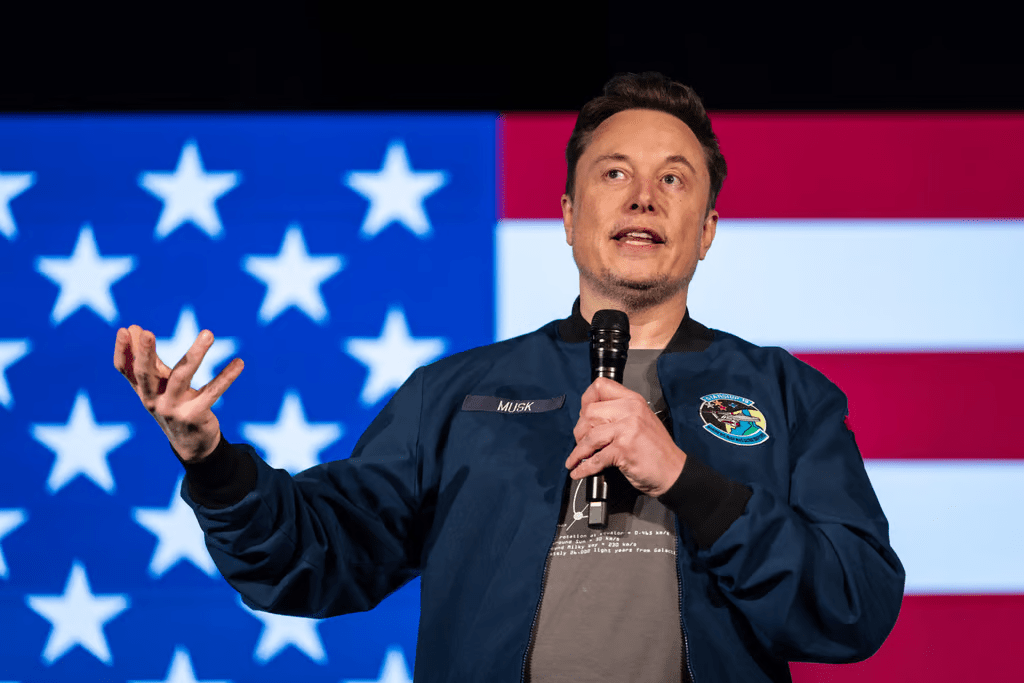
Musk interviews German far-right frontwoman – Elon Musk took his endorsement of Germany’s far-right party to the next level on Thursday, hosting a live chat with its frontwoman, Alice Weidel.

The 74-minute conversation ranged across energy policy, German bureaucracy, Adolf Hitler, Mars and the meaning of life…

She insisted her party was “conservative” and “libertarian” but had been “negatively framed” by mainstream media as extremist.

Sections of the AfD have been officially classed as right-wing extremist by German authorities.

She also described Hitler as an “antisemitic socialist”.

On other matters, she and Musk chimed – and at times giggled – over Germany’s infamous bureaucracy, its “crazy” abandonment of nuclear power, the need for tax cuts, free speech and “wokeness”.

“Disrespect, defamation and interference?”

Because of a discussion on X?

Discussions with the AfD aren’t allowed in Germany. That’s the real disrespect, defamation and interference.

Musk plans discussion with German far-right leader on X – The live chat with the AfD’s chancellor candidate is proposed as Germany’s political leaders accuse the tech billionaire of election interference…

The German government must clarify “whether the repeated disrespect, defamation and interference in the election campaign were also expressed in the name of the new U.S. government,” Rolf Mützenich, a prominent politician from Germany’s Social Democratic Party, told German outlet Spiegel.

German of the day: Vertrauensfrage

That means vote of confidence. Which of course means vote of lack of confidence in this case.

Who says Olaf and the SPD can’t bring in the votes?

Germany’s Scholz expected to lose confidence vote, triggering early election – Polls suggest that a February election would result in a rightward shift, at a moment when Europe’s largest economy is faltering.

Scholz hits the campaign trail in Kyiv

Soon to be fired as chancellor in the German Bundestag in order to run for chancellor and be fired by German voters a second time in the upcoming German election, Olaf Scholz is now doing the Staatsmann (statesman) number in Ukraine.

The visit comes weeks before the German leader is set to ask his parliament for a vote of no confidence, which he is widely expected to lose.

Germany’s Olaf Scholz arrived in Ukraine on Monday for his second trip to the region during his tenure as chancellor.

His visit comes both at a time of escalated Russian attacks on Ukraine and as his government faces a political crisis at home that looks likely to remove him from power during elections in February next year.

Investing in Africa may be too risky…

But it’s not as risky as investing in Germany.

German Fortune 500 companies have announced over 60,000 layoffs this year, but the biggest employee cull is still to come – German companies in the Fortune 500 Europe have announced over 60,000 layoffs this year, in a sign of the country’s ongoing economic malaise that has left manufacturers reeling.

Major German employers, including Bosch, Thyssenkrupp, Deutsche Bahn, and Siemens, have this year announced plans to lay off thousands of workers in a bid to combat falling profits following a rocky post-COVID economic landscape.