“It’s as if the pope were suddenly advocating the use of birth control pills.”
For years, despite bemusement of many outside Germany, the country seemed set on its nuclear exit course. This year, as Europe began its sanctions on Russian fossil fuels, Germany’s Green energy minister seemed more willing to turn on carbon-intensive coal plants rather than reopening the issue of nuclear power.
In Germany? Uh, the same Germany in which the Germans always do precisely whatever the Media Brain Police tell them to do?
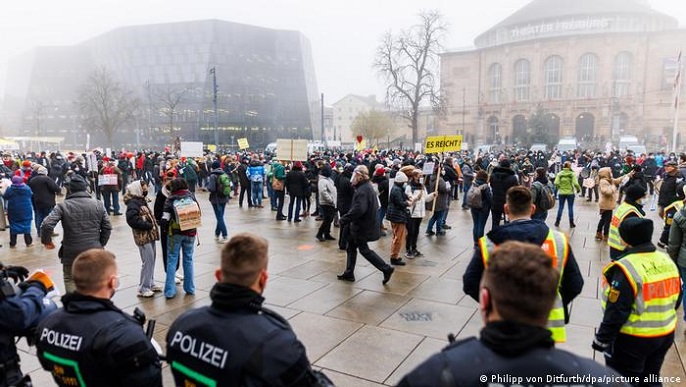
Germany braces for social unrest over energy prices – German officials have expressed fears that a worst-case winter of energy problems could prompt an extremist backlash. How bad things get may depend on how well they manage the crisis – in policy and perception.
That means “we can’t get anybody out in the streets to protest anymore…” Said the puzzled anti-nuclear protester.
My, this certainly is mysterious. Somebody call Sherlock or Columbo or somebody to figure this out.
Are we having the phase-out of the phase-out yet?
Germany’s Nuclear Phase-Out Has Been a Disaster – The main justification for Germany’s nuclear shutdown is the risks associated with using nuclear energy. But these risks are exaggerated beyond measure.
German scientists are warning that the national energy transition has pushed Germany into an energy shortage. “We demand an immediate stop to the nuclear phase-out,” wrote twenty renowned technological and economic scientists in the “Stuttgart Declaration,” which is being widely discussed in Germany. The continued operation of Germany’s nuclear power plants, they said, should be guaranteed “as the third climate protection pillar” alongside solar and wind power to secure Germany’s power supply and prosperity.
Old habits are hard to break. Especially when you’re on a roll. If you expect COVID, then COVID restrictions there will be.
Germany announces new Covid measures for fall, expecting another wave of infections – Wearing masks on planes and during long-distance travel by train and bus will be mandatory from October to early April all over Germany. Mandatory mask-wearing and the presentation of a negative coronavirus test will apply to hospitals, nursing homes and similar institutions with vulnerable people.
Many other rules will be implemented individually by the country’s 16 states depending on how severely the virus spreads in their regions. This could include the wearing of masks on local public transportation, in schools for students in grade five and up, and at public indoor events.
Germany’s Anti-Digital Law Is a Case Study in Stunting Progress – Germany just passed a law that completely bans digital contracts and signatures. Whether you’re a coder who finds jobs online, an Amazon delivery guy or a Dilbert character, you’ll now get the fine print of your terms on paper — the dead-tree kind. And it’ll have your new boss’s signature in just-dried ink. If employers provide a digital contract instead, they’ll get fined up to 2,000 euros ($2,049) for each instant.
Literally, that means somebody who takes warm showers. Not ice cold like real men do. A wimp, in other words.
Thank goodness Vladimir Putin is in the process of finally changing all of that now.
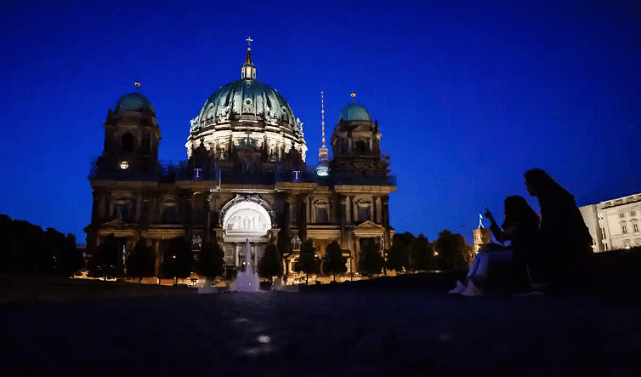
German cities impose cold showers and turn off lights amid Russian gas crisis – Hanover is first large city to impose energy-saving measures and Berlin switches off monument spotlights.
Cities in Germany are switching off spotlights on public monuments, turning off fountains, and imposing cold showers on municipal swimming pools and sports halls, as the country races to reduce its energy consumption in the face of a looming Russian gas crisis.
In a few years. To a country that won’t exist anymore by then.
Germany approves sale of 100 howitzers to Ukraine – Germany has approved the sale of 100 tank howitzers worth 1.7 billion euros to Ukraine, magazine Der Spiegel reported, citing a spokesperson for manufacturer Krauss-Maffei Wegmann (KMW).
KMW has already started manufacturing the howitzers, the Panzerhaubitze 2000 model, the full run of which which will take several years to complete, Spiegel said. It added that it was not yet clear when the first of the howitzers could be delivered.
That’s how Germans like to see themselves. Aber das war einmal: But that was once upon a time.
Eurozone crisis in reverse as southern states scold Germany over gas – Analysis: Southern European countries were unwilling to sign up to homogenous 15% cut in gas.
A decade after its government admonished southern European states to “do their homework” of painful fiscal changes to end a sovereign debt crisis, Germany is slowly adapting to the humbling reality of being worst-in-class when it comes to reliance on Russian gas.
Germany: Number of young people falls to record low – People aged 15 to 24 have never made such a small share of Germany’s population. The latest figures show only 10% of the population fall into this age group — putting Germany below the European average.
Germany wants clean, reliable energy. But first, to survive winter…
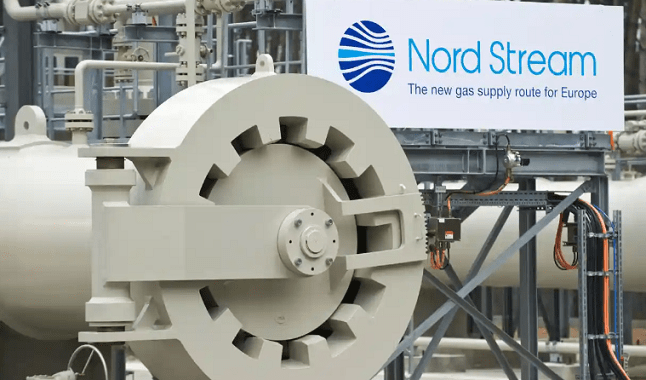
Germany is largely dependent on Russian energy, with half its natural gas and a third of its oil coming from that country. There’s currently no other way to quickly secure Europe’s supply of energy for heating, transportation, and industry, says the German government. But they’re trying. Leaders have decided to build liquefied natural gas terminals, which opens up new energy supplies but also raises a bevy of questions about Germany’s energy security.
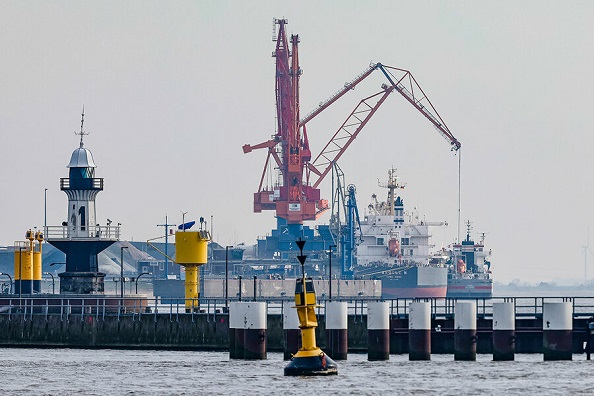
Nuclear energy has been phased out, and renewables such as wind aren’t yet ready to pick up the slack, so lawmakers have decided that LNG is the answer to Germany’s energy crisis. They’ve announced plans to build two domestic LNG terminals, which re-gasify the supercooled form of natural gas that arrives on ships. Leasing floating terminals and securing supply via terminals elsewhere in Europe is also in the works. Essentially, Germany is trying to buy whatever it can, from wherever it can.




 Observing Hermann