German of the day: Zwangsarbeit

That means forced labor.

IKEA’s motto: “Everything is possible if you think in opportunities.”

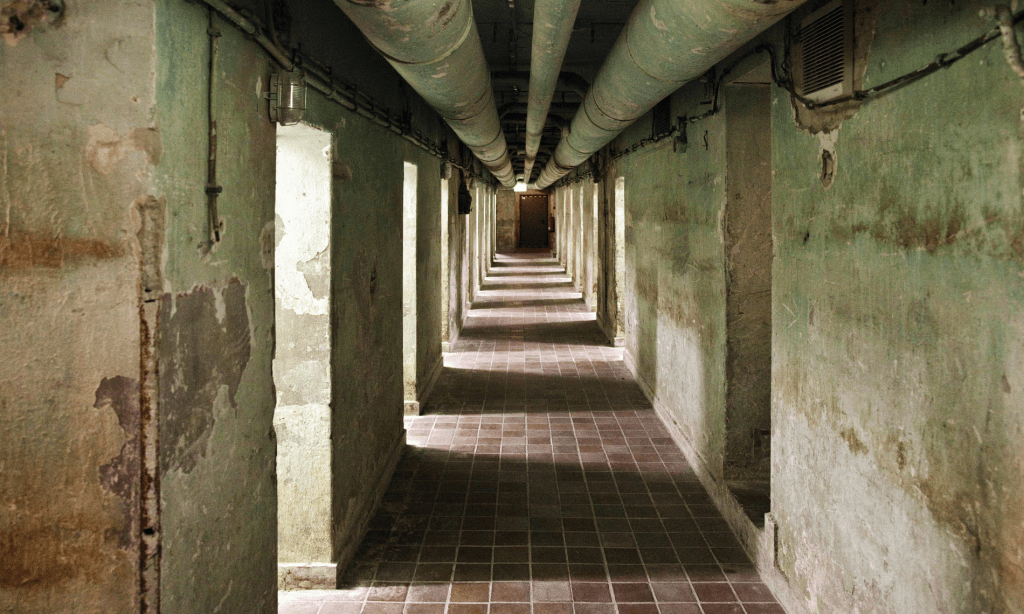
IKEA to compensate East German prisoners for forced labor – The German branch of IKEA has pledged millions to compensate victims of the former Communist East German regime, who were forced to make furniture components in the GDR.

Breaking up is hard to do

But somebody has to do it.

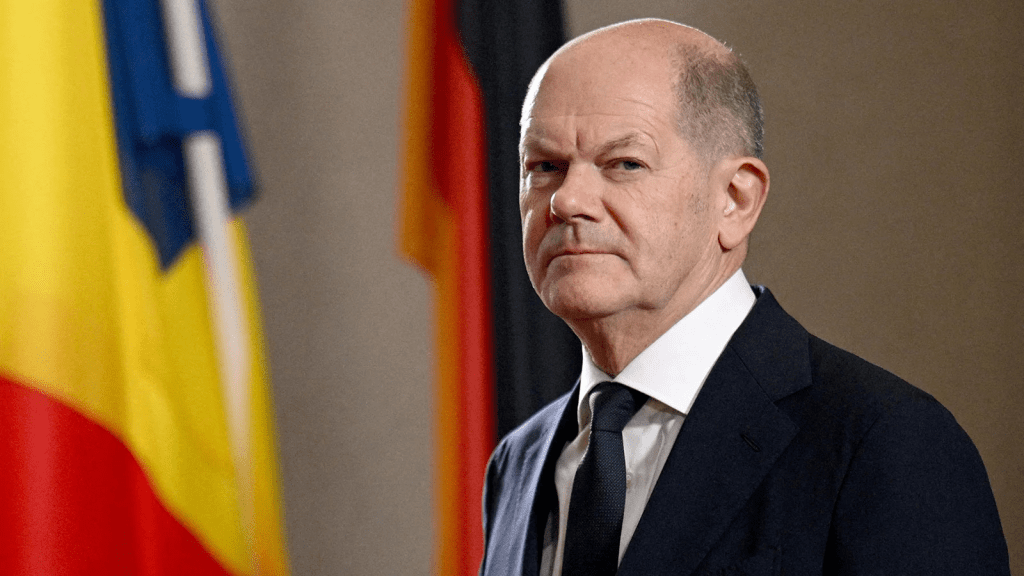
Germany’s loveless coalition teeters on brink of break-up – Chancellor Olaf Scholz snubs partners, fuelling speculation of early elections in spring.

Chancellor Olaf Scholz held a much-vaunted “industrial summit” on Tuesday, sitting down with business leaders and union bosses to figure out how to pull Germany out its current malaise. Pointedly left off the guest list: his own finance and economy ministers.

Robert Habeck, the economy minister, responded by unveiling plans for a multibillion-euro, debt-financed investment fund — an idea not previously discussed with cabinet colleagues — while finance minister Christian Lindner simply scheduled his own, rival business summit on the same day…

Speculation is growing in Berlin that the alliance could soon collapse, pulled apart by its own internal contradictions. Several German media outlets have even named a possible date for snap elections — March 9, more than six months ahead of schedule.

Huge funeral attendance

At Germany’s automobile industry burial.

Volkswagen AG workers in Germany will pause production on Monday to join rallies about the automaker’s plans for unprecedented factory closures in the country.

Labor leaders plan to inform employees at 11 German sites about the latest on negotiations with the company. The events kick off a contentious week for Europe’s biggest carmaker, which is expected to post declining sales and profit when it reports third-quarter results on Wednesday…

The automaker has had a rough few weeks since it issued its second profit warning in three months in late September. While its premium brands including Audi and Porsche have been the carmaker’s biggest source of profit in recent years, they’re now struggling. Porsche AG on Friday said it’s weighing cost cuts and reviewing its model lineup after a demand slump in China hit its profits.

What can stop it?

Hmmm. That’s a tough one.

What can stop the rise of populism in Germany? How about taking care of the problem you created? You know, like the voters have been demanding you to do for nearly ten years now? Until the migrant madness ends, this “populism” you fear won’t.

What can stop the rise of populism in Germany and elsewhere?

Populist parties are on the rise in Germany as they are all over the world. What can open societies do to protect democracy?

“We have to realize that party democracy is losing structure and strength. Party democracy is changing into a movement democracy, which is much more volatile.”

“Everything that could go wrong went wrong, or is going wrong”

Other than that though, alles ist in Ordnung (everything’s OK).

Germany’s lost decade: How the Fortune 500 Europe giant is flirting with long-term irrelevance – There is an elephant in the room of the 2024 edition of the Fortune 500 Europe. It’s not a crisis-riddled company or scandal-hit CEO. Rather, it’s the whole German economy.

For most of the 21st century, economists and neighboring countries have looked to Germany with admiration and envy as it managed to weather economic storms with relative ease, capitalizing on trade with growing economies and expanding the power of its industrial giants in the process.

However, a shifting world order has pulled the carpet out from underneath Germany. The industrial quirks that once helped it outgrow its European peers are fast becoming a burden, and crisis after crisis has exposed a lack of planning at the top of government.

Worry about the cost of living?

Why should Germans worry about that?

Vater Staat (Father State) has everything under control. Wie immer (as usual).

Germans fear rising cost of living – Inflation, migration, expensive housing — these are the things that most people in Germany are worried about, according to the latest study “Germans’ Fears 2024.”

What? Even more security?

Germany is already more secure than Fort Knox when it comes to espionage as it is.

Although it’s more like the Fort of Hard Knocks, come to think of it.

Germany to beef up security checks amid spying fears – Germany’s government has said the country will tighten security checks for staff in sensitive areas of government and business. The move comes after an increase in suspected espionage cases…

Several cases of alleged spying for Moscow have rocked Germany since Russia’s invasion of Ukraine in 2022.

In one case, a former German intelligence officer was accused of passing information to Russia that showed Berlin had access to details of Moscow’s mercenary operations in Ukraine.

Chinese espionage has also been a growing concern. In April, the most high-profile such case saw an aide to a German far-right Alternative for Germany (AfD) member of the European Parliament arrested on suspicion of spying for Beijing.

German of the day: “nicht zufriedenstellend”

That means not satisfactory or unsatisfactory.

Year number two. Germany is on a roll.

Germany expects economy to shrink after cutting 2024 forecast – Government predicts rebound in 2025 after 0.2% decline this year.

Germany is facing its first two-year recession since the early 2000s, as the government downgraded its growth forecast for 2024, predicting a contraction of 0.2 per cent.

“The situation is not satisfactory,” Robert Habeck, economy minister, said on Wednesday.

German of the day: Discounter

Dicounter are grocery stores that cover the basic everyday needs of customers, offering the lowest prices.

For most items.

German supermarket finds €7M of cocaine in crates of bananas – Police did not identify the discount supermarket chain. However, they said the cocaine was found at stores in several cities across the state of North Rhine-Westphalia.

Car science isn’t rocket science, people

Nobody wants Volkswagen’s electric cars.

The fewest German drivers do, anyway.

Driving on empty: The German government has few options to help an ailing car industry – Economy Minister Robert Habeck will meet with carmakers — but he has few weapons to stave off a car industry crisis.

Threats of historic job cuts and plant closures at German car giant Volkswagen and plunging earnings elsewhere in the industry are prompting Federal Economy Minister Robert Habeck to hold crisis talks on Monday.

But strained federal finances, fights with China over car tariffs and looming EU environmental regulations leave Habeck with few tools to help an industry which is the country’s economic backbone.