German of the day: Verbale sexuelle Belästigung
That means catcalling.

No wonder Germans prefer using the English word catcalling now too.
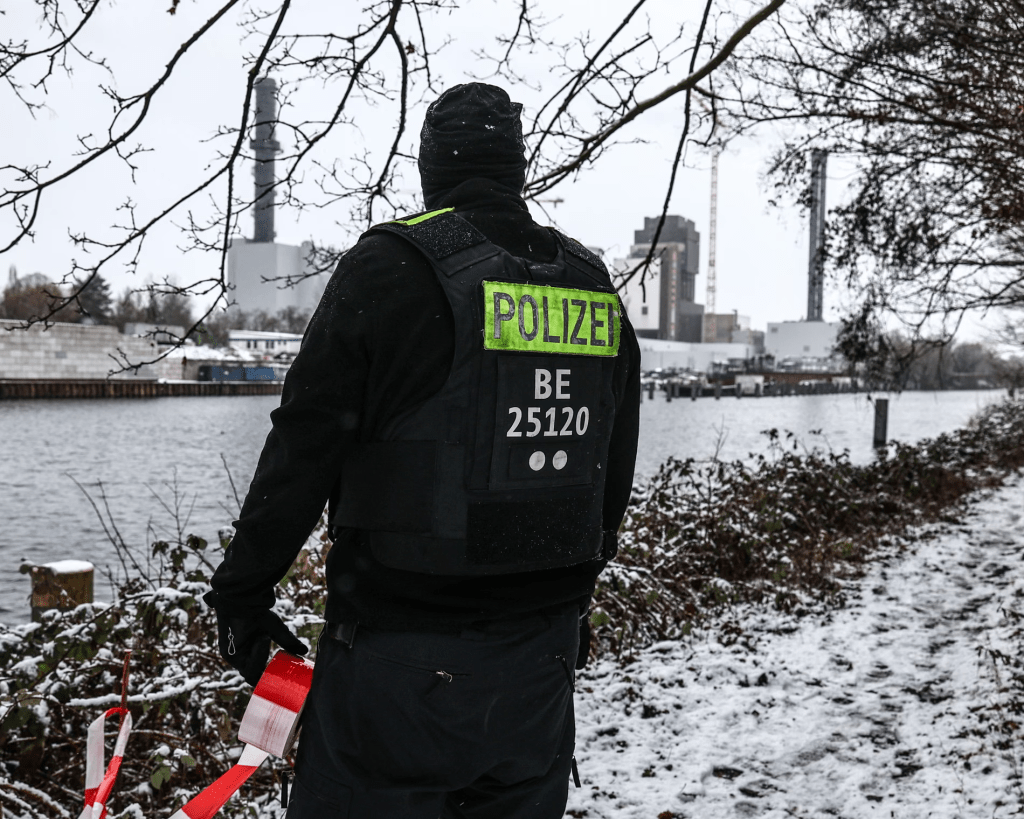
Sexual harassment: Germany debates ban on catcalling – While it is illegal in Germany to give a one-fingered salute, making obscene sexual remarks and gestures is not. The center-left Social Democrats want to change that.
Suggestive gestures or noises, graphically obscene remarks — an everyday experience for many women across the world. In some European countries such behavior can land you with a fine or even a jail sentence.
But in Germany, verbal sexual harassment in public is not criminalized under sexual offences legislation passed in 2016, which made non-consensual sexualized acts of touching like groping a crime for the first time.
No “hard cutoff” date with me
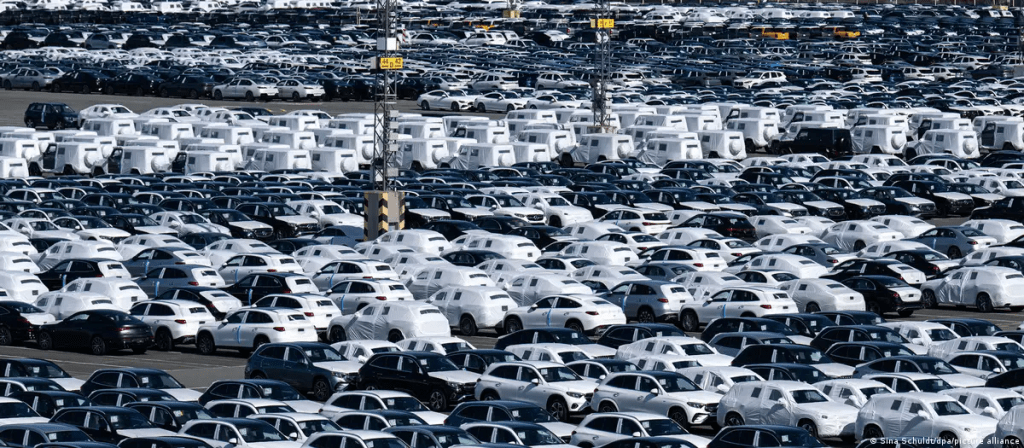
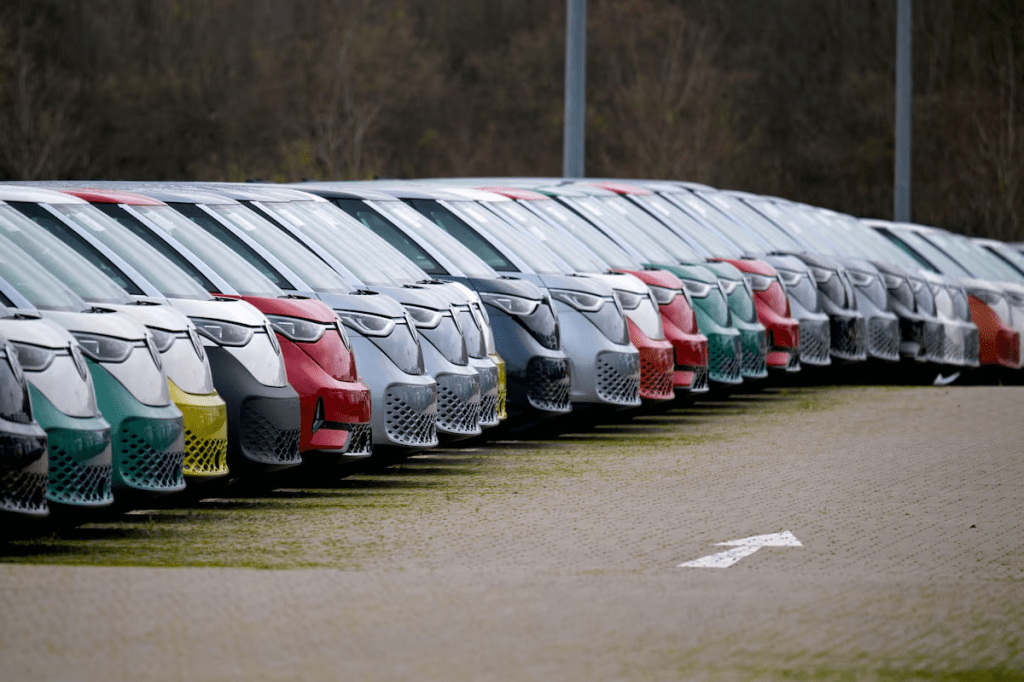
My government is going to strangle the German car industry slowly, with great care.

And Pleasure.
Germany: Merz pledges to resist 2035 EU electric car switch – Chancellor Friedrich Merz said he would oppose the “hard cutoff” currently planned by the EU, aiming to stop registering new internal combustion engine cars by 2035. The goal was already under review and looking fragile.
Get your tickets now!
Although nobody really wants to go, so just pick them up at the gate.

This non-apology tour is just like last year’s non-apology for the migrant madness tour, only different. “Denial is not just a river in Egypt anymore.” – Angie.
Angela Merkel’s non-apology tour – The former chancellor refuses to reckon with her fraught legacy on the war in Ukraine, instead invoking Covid and a missed chance for talks.
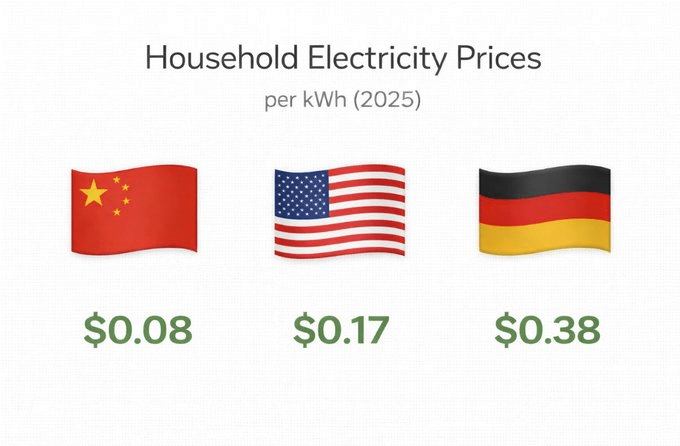
Output kaputt
To put it nicely.

German industrial output posts biggest decline in more than three years – German industrial output fell much further than expected in August, pushed down by a sharp decrease in car production as frontloaded demand ahead of U.S. tariffs dried up.
Industrial production fell by 4.3% compared with the previous month, the federal statistics office said on Wednesday, the biggest fall since March 2022, just after Russia’s invasion of Ukraine. Analysts polled by Reuters had predicted a 1.0% fall.
Talk about pulling out the Big Guns
German threatens with Eurovision boycott!

Couldn’t we just have another war instead?
Chancellor Friedrich Merz says that if Israel is excluded from Eurovision 2026, Germany will not take part.
German Chancellor Friedrich Merz is considering boycotting next year’s Eurovision Song Contest if Israel is excluded.
When asked in an interview with public broadcaster ARD on Sunday whether Germany should voluntarily withdraw from participation in the world’s largest live music event next year if Israel is excluded, Merz said: “I would support this. I think it’s a scandal that this is even being discussed. Israel has a place there.”
German of the day: Eskalationsfalle
That means escalation trap.

Berlin calls for strengthening defenses without falling into Putin’s “escalation trap” – The German Minister of Defense, Boris Pistorius, said Sunday that Germany must strengthen its defense capabilities, particularly against drones, while avoiding falling into what he called “the escalation trap” set by the Russian president Vladimir Putin.
During a defense exercise in Hamburg, the minister stressed the need for Berlin to invest in anti-drone and electronic jamming systems, as incursions into European airspace have increased since the start of the war in Ukraine.
“We must build strong defenses, but without responding precipitously to every provocation. This is exactly what Putin wants: a spiral of reactions that would lead to a direct confrontation,” Pistorius warned.
Giving things away on the street must be verboten!
Or at least strictly regulated. Then verboten.

Anything in Berlin that is not expressly permitted must be forbidden.
Berlin to crack down on a beloved giveaway tradition – One resident’s trash is another’s treasure has long been part of Berlin’s culture, but the German capital has had enough and plans to raise fines. Will they work?
Between old sofas and broken fridges, boxes of baby clothes and crates of cassettes, hidden treasures dot Berlin’s streets. In one such collection of unwanted stuff, Berlin musician Eno Thiemann discovered a new favorite author.
The Haruki Murakami books were left outside with the label “zu verschenken.” Meaning “to gift”, it’s a tradition that has long seen Berliners leave their repurposable goods on window ledges and in front of houses for others to take. And take, they do. Often within a matter of minutes.
“I was very pleased when I came back in 2013 to see that there’s some kind of culture,” said Thiemann, who had left Berlin three decades earlier before the practice took off. “Most people don’t just throw the trash out — it’s a nice thing to do and it’s enriching the neighborhood.”
But as Berlin plans to fine people for putting items on the street, this informal circular economy could become a thing of the past. The city’s environment department argues that while the idea behind leaving things out for others to take is “good and desirable,” it has “led to excesses that are not in line with the original intention.”
It’s a Mossad state of affairs…
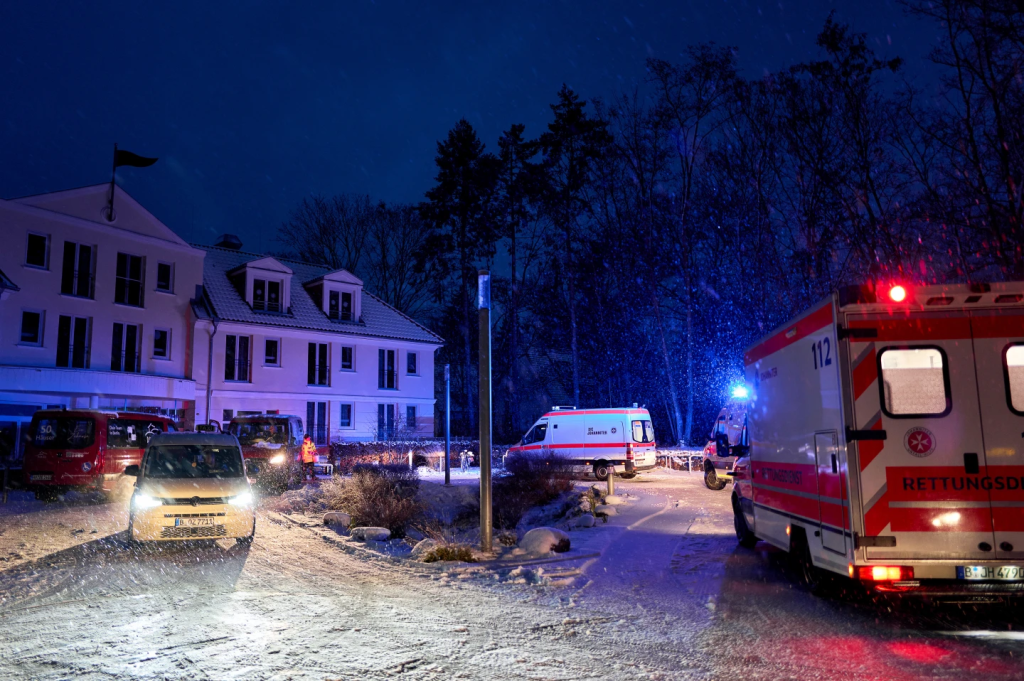
When Germany’s security and intelligence services aren’t able to do their job on their own.

Mossad reveals role in arrest of Hamas-linked cell in Germany said plotting to kill Jews – Effort to stop the cell spanned several countries, and was ‘part of an extensive Mossad effort throughout Europe’ that busted weapons caches, saw other operatives detained.
The Mossad was involved in Wednesday’s arrest of a Hamas-linked cell in Germany that planned to carry out attacks against Israeli and Jewish targets, the agency announced Friday.
The Israeli foreign intelligence service said the arrest was possible because of close coordination between the Mossad and Germany’s security and intelligence services.
German of the day: Das waren Zeiten!
That means “those were the days!”

When everything still worked in Germany. Before German reunification.
5 facts about German Unity Day – On October 3, Germany celebrates the reunification of East and West. How did it come about — and how is it celebrated? How do Germans feel about reunification today?
Following the end of World War II in 1945, a defeated Germany was divided into four occupation zones, controlled by the Allied powers: the United States, France, Great Britain and the Soviet Union.
In 1949, two states emerged: the democratic Federal Republic of Germany (FRG) in the West, and the socialist German Democratic Republic (GDR) in the East, with the latter being under Soviet control. From that point on, Germany was divided…