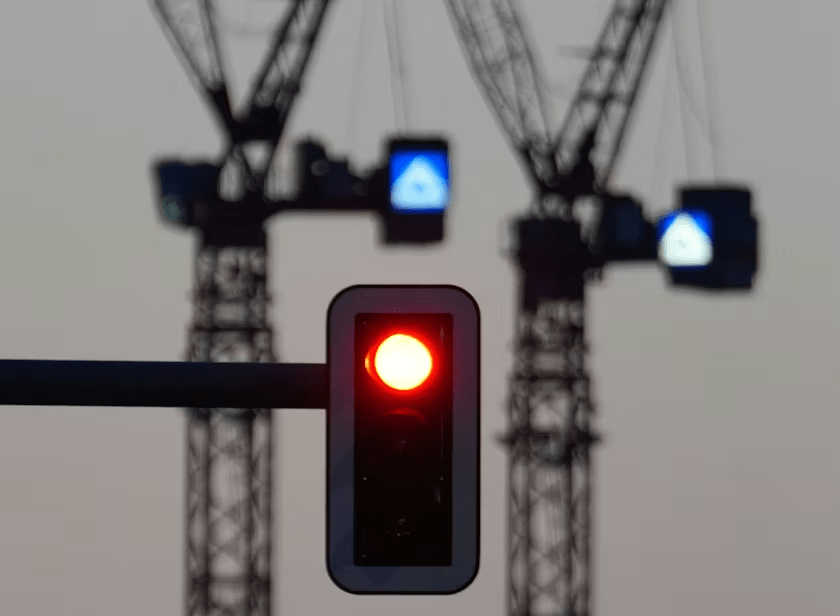
Energy price shock slows growth – The war in Iran is dashing hopes for a sustained economic recovery. This is throwing the Merz administration’s entire economic policy strategy into disarray.
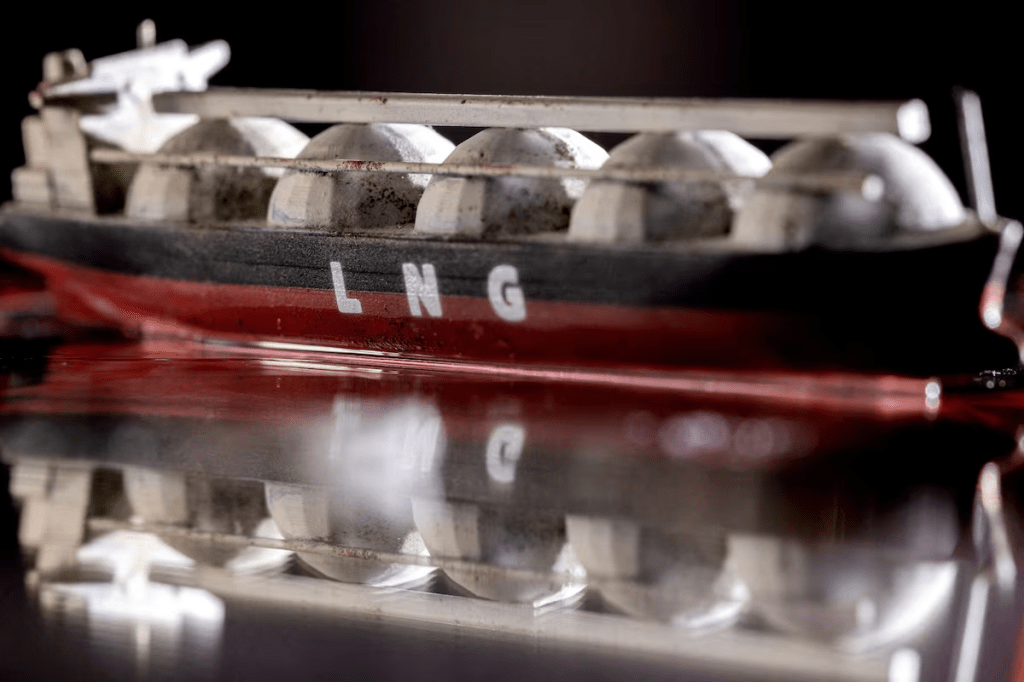
First LNG deliveries from Oman to German firm begin despite Iran war – The first deliveries of liquefied natural gas (LNG) from Oman to a German company have begun despite the war in Iran, said a spokesperson for the German state-owned gas supplier Sefe on Wednesday.
The deliveries are currently unaffected by the developments in the Gulf region and have commenced as planned, said the spokesperson.
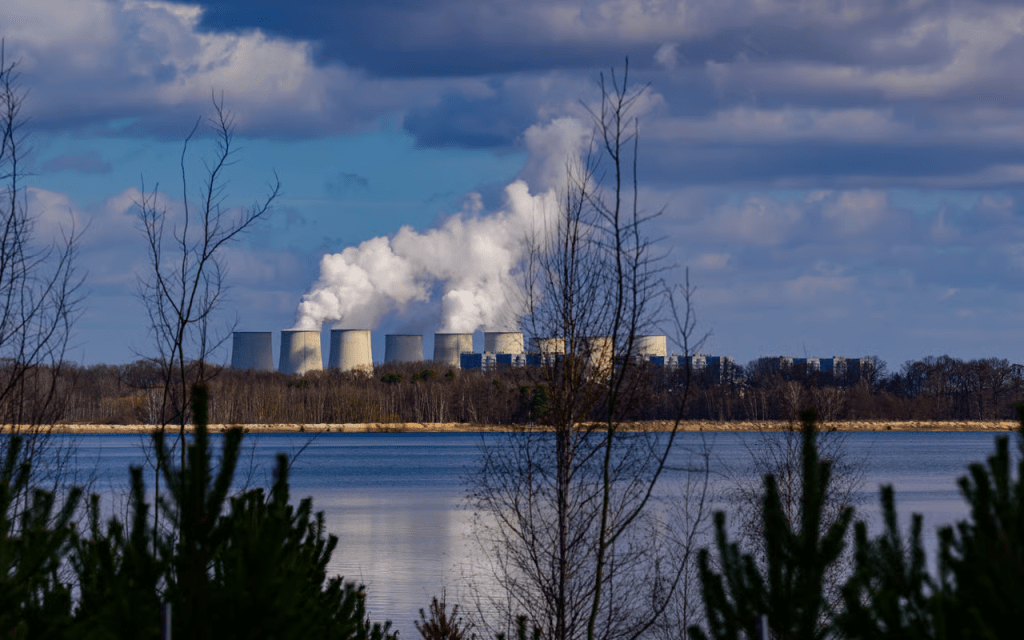
Germany considers ramping up coal power to avert energy crisis – Increasing use of the dirtiest fossil fuel would likely increase the country’s CO2 emissions.
Because their industries are dying, or already dead.
And this is primarily due to its climate emissions targets.
Germany misses climate targets as emissions barely fall in 2025 – Greenhouse gases dropped just 0.1% last year as environment minister criticises lack of improvement.
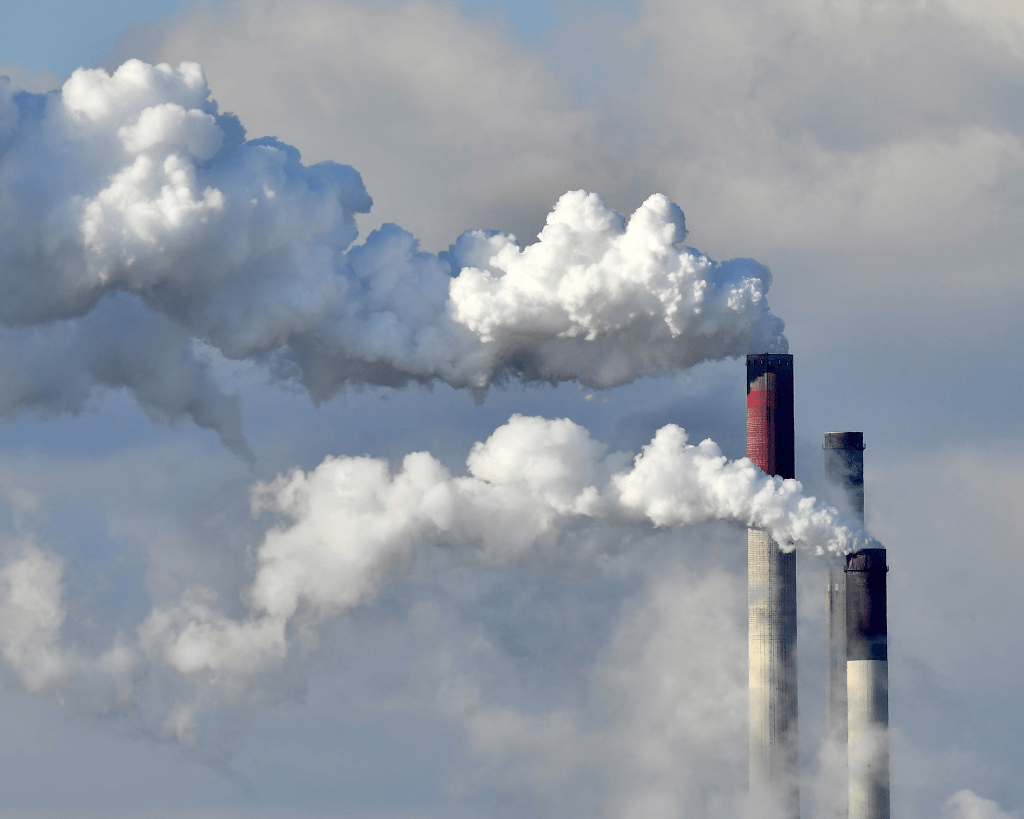
Greenhouse gas emissions in Germany have again missed targets set by the Climate Protection Act and barely fell at all in 2025.
Emissions decreased by just 0.1% last year compared to the previous year, according to data from the German Environment Agency.
Surging Energy Costs Put German Industry ‘Really in Danger’ – Four years after the Russian invasion of Ukraine sent energy prices soaring, the war in Iran is posing another challenge to efforts to revive European factories.
German start-up plans 30-megawatt AI data centre in boost to sovereign control – German start-up Polarise plans to build a new 30-megawatt artificial intelligence data centre that would double Germany’s domestically-run computing capacity as European nations push to gain more control over critical tech infrastructure.
The facility, set to come online in the Bavarian town of Amberg in mid-2027, could eventually expand to 120 MW, the company told Reuters.
Energy bottleneck in Middle East is damaging German economy – Expensive energy, rising prices and disrupted supply chains are all bad news for economic growth. The German government is alarmed by events in the Middle East.
When the US and Israel attacked Iran, the response was not long in coming. Iran is no longer allowing ships to pass through its coastal waters. The Strait of Hormuz, the bottleneck in the Persian Gulf through which 20% of the global oil trade passes every day, is now effectively blocked.
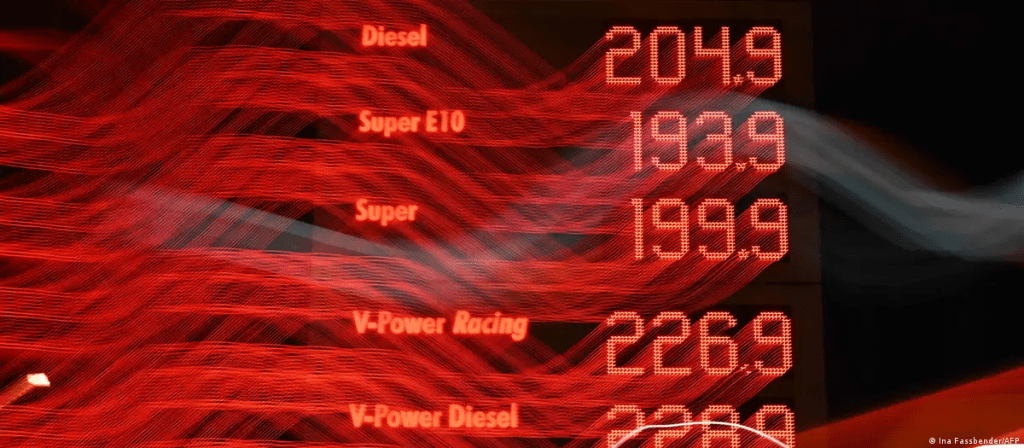
After the attack, the price of oil immediately rose sharply. Prices for gasoline and diesel also skyrocketed at German gas stations. Depending on the region, premium gasoline even went as high €2.50 ($2.89) per liter. The average price for diesel is currently just over €2, which is €0.30 higher than before the attack on Iran.
That means to shoot yourself in the foot, only in German it’s the knee.
With the highest energy prices in Europe (in the world?), what choice does German industry have but move? Go Greens.
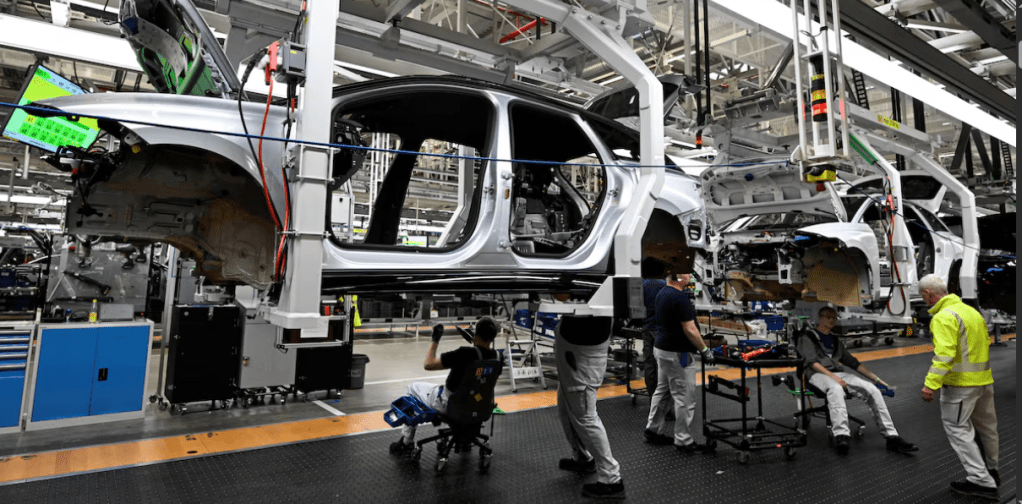
German auto industry in ‘crisis’ as investments, jobs move abroad, lobby says – Germany’s standing as an automotive industrial hub risks being hollowed out as investments and jobs drift abroad, an industry association warned on Tuesday, calling on Berlin and Brussels to focus on measures that spur growth.
“Germany is experiencing a huge crisis as a business location,” VDA President Hildegard Mueller said.
A VDA survey of small- and medium-sized German enterprises across the auto supply chain, presented by Mueller on Tuesday, showed that 72% of companies plan to dial back their investments in Germany, either by moving them abroad (28%), postponing them (25%) or cancelling them completely (19%).
Could it be our ridiculously high energy costs? Nah.
Germany’s industrial engine sputters as Bosch axes 20,000 jobs – Rising unemployment rate piles pressure on Chancellor Friedrich Merz’s government.
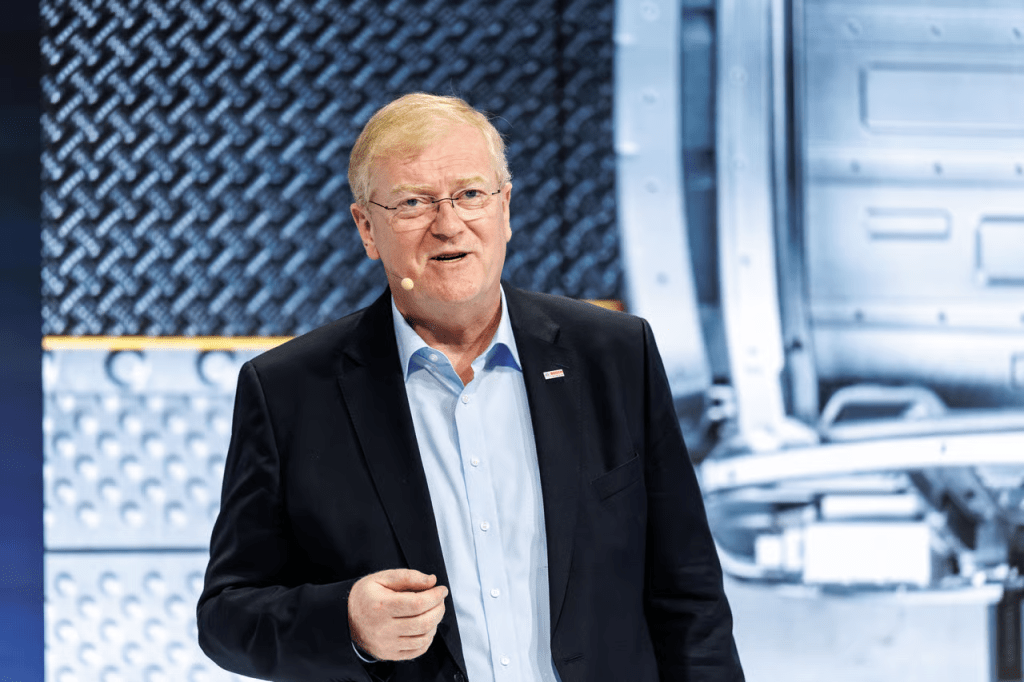
German industrial giant Bosch on Friday confirmed plans to cut 20,000 jobs after profits nearly halved last year, underlining the mounting strain on Germany’s once-dominant manufacturing sector and increasing the pressure on politicians in Berlin to find a solution.
Official data released Friday also showed Germany’s unemployment rate, unadjusted for seasonal factors, rising to 6.6 percent — the highest level in twelve years. The number of unemployed people surpassed three million in January.
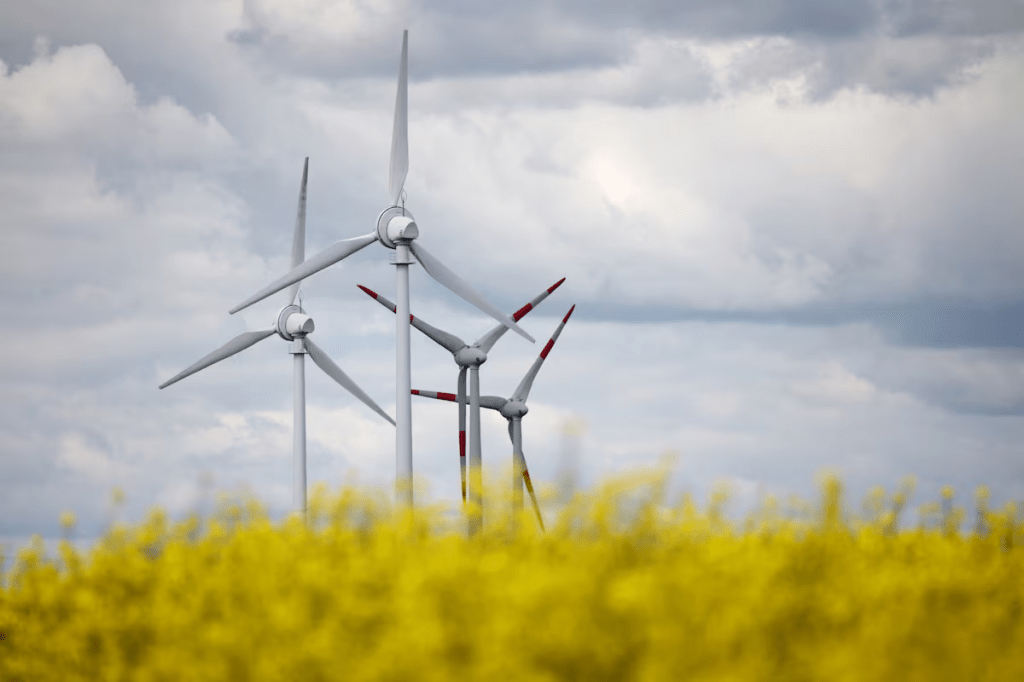
Germany’s stretch of weak wind output set to drag on into 2026 – Europe’s largest wind power producer – Germany – remains in the grips of a years-long bout of sub-par wind electricity production due to below-average wind speeds at turbine level.
Total German wind-powered electricity output fell by around 4% in 2025 from the year before, and followed a less than 1% annual expansion in 2024, despite steady annual increases to Germany’s total wind generation capacity for over a decade.

 Observing Hermann