German Of The Day: Bröseln

That means to crumble.
Europe’s unity ‘crumbling’ on Russia sanctions, Germany warns – EU struggles to find compromise over plan to impose embargo on buying oil from Moscow.

Europe’s unity on sanctions against Russia is “starting to crumble”, Germany’s economy minister has warned as diplomats highlight continued divisions over a package of sanctions set to be discussed by member states on Monday.

Robert Habeck spoke as EU ambassadors meeting in Brussels on Sunday failed to agree on the bloc’s latest package of sanctions against Moscow, including a plan to stop imports of Russian oil which Hungary has been blocking for weeks.

Diplomats had hoped to agree on measures to put to EU leaders who are due to start a two-day summit on Monday.

“After Russia’s attack on Ukraine, we saw what can happen when Europe stands united. With a view to the summit tomorrow, let’s hope it continues like this. But it is already starting to crumble and crumble again,” Habeck, who is also deputy chancellor, told reporters in Germany on Sunday.

“Es fängt schon wieder an zu bröseln und zu bröckeln.”
Why Eastern Germans Feel Closer To Russia?

My guess is it’s because they are closer to Russia. Western Germany is further away. Get it?

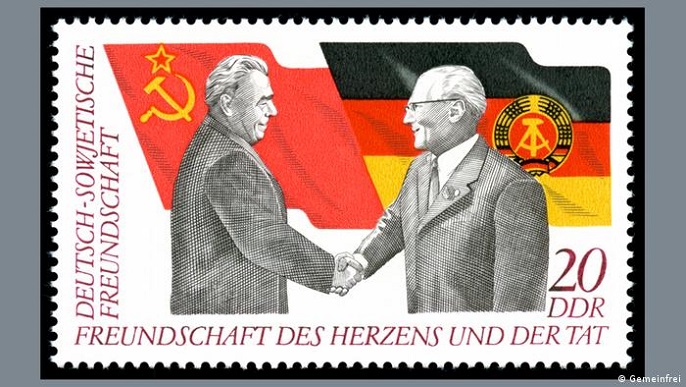
What’s behind eastern Germans’ empathy for Russia? – For decades, many in former East Germany felt closer to Russia than their western compatriots. But opposition to Russia’s war on Ukraine now outweighs historical grievances about the West…

East Germans’ residual suspicion of the West and sympathy for Russia are visible in plenty of surveys, especially those that date from before the Russian invasion of Ukraine. A survey carried out by pollster Forsa in July 2021 found that 50% of eastern Germans would have liked Germany to have closer ties with Russia, compared to only 25% of western Germans.

Germany’s Coal Doesn’t Stink

That’s because it’s Green Coal. No, not Grünkohl. That’s kale.

Anyway, Germany’s Green Utopia will soon be here, no matter what. Just ask Germany’s Green Economy Minister. Of course, it might take a little longer than the Greens originally planned, but still.

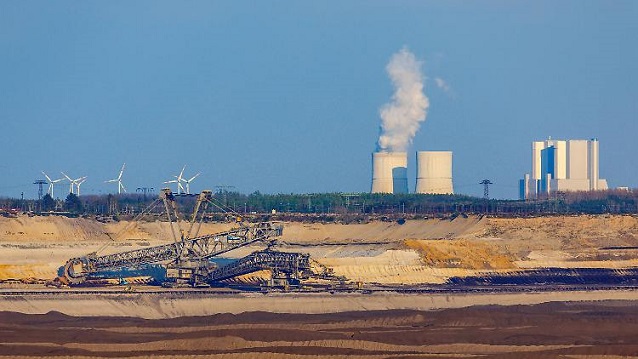
Germany to Bring Back Coal Power Plants If Russia Cuts Gas – Germany plans to bring back coal- and oil-fired power plants should Russia cut off natural gas shipments to Europe’s largest economy.

Economy Minister Robert Habeck will on Tuesday present an emergency decree enabling the government to bring back the facilities in case of gas shortages, according to the proposed legislation seen by Bloomberg.

German Of The Day: Gaslobbyist

That means gas lobbyist.

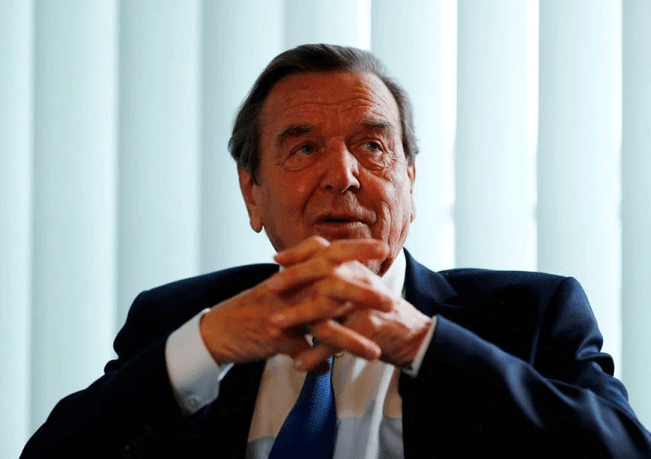
Germany to close Schroeder’s office in repudiation of ex-chancellor – Gerhard Schroeder’s publicly funded office is to be closed and its remaining staff reallocated amid mounting dismay at the former German chancellor’s refusal to distance himself from Russian President Vladimir Putin.

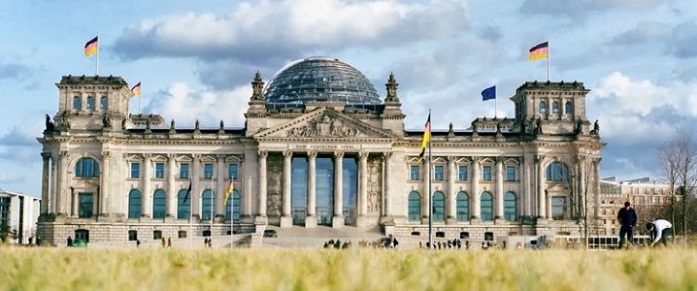
Gerhard Schröder to lose Bundestag office this week. The SPD, the Greens and the FDP want to strip the former chancellor (SPD) of some privileges immediately: In a draft for the budget committee, he will be deprived of offices and staff.

German Of The Day: Stiftung

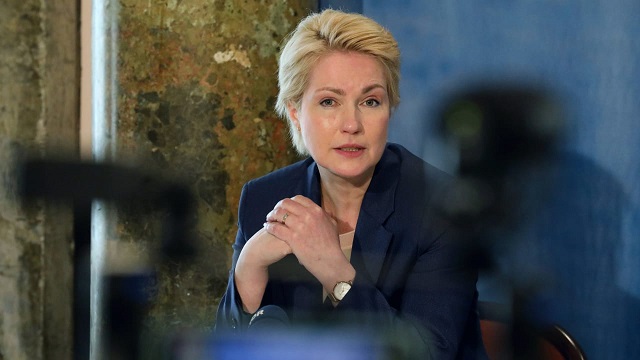
That means foundation. You know, like the “climate protection foundation” SPD Prime Minister (Governor) of Mecklenburg-Western Pomerania Manuela Schwesig created to get around American sanctions to help Russia finish the Nord Stream 2 pipeline – which never went into operation although completed, for some strange reason.

Now that she got caught the “foundation’s” chairman of the board has stepped down so it can quietly be liquidated.

The foundation had been the subject of criticism since its establishment in January 2021 because, in addition to climate protection, its main purpose was to secure the completion of the Nord Stream 2 natural gas pipeline through the Baltic Sea. Companies involved in the construction had in fact been threatened by US sanctions.

Nord Stream 2 AG paid 20 million euros into the foundation’s coffers. Nord Stream 2 was completed – with the foundation’s support. However, because of the Russian invasion of Ukraine, it has not received an operating permit from the German authorities. Schwesig has come under criticism for her long adherence to Nord Stream 2. Accusations have been made that Russian forces pulled the strings in key areas of the foundation. Schwesig had played a key role in promoting the establishment of the foundation in 2021.

He’s A Green Economy Minister

So, of course “Germany Can Survive Without Russian Gas.”

The Greens think Germans should do without any form of gas, other than the kind you get from being a vegatarian. They don’t think Germans need any of that yucky energy and industry stuff at all, in fact. Just sunshine, wind, tweeting birds and apple trees. And a treehouse for everyone in the forest. And butterlies. And a cozy campfire every once in a while. But not too many of those because of the CO2.

Economy Minister: Germany Can Survive Without Russian Gas – Germany will be able to withstand a halt of Russian natural gas supplies as long as it manages to fill up its gas storage, Economy Minister Robert Habeck told German media this week.

In an interview with WirtschaftsWoche cited by Bloomberg, Habeck explained that the country would be able to weather the effects of a potential suspension of gas supplies from Russia under three conditions: that it fills up its gas storage facilities before the next heating season begins, that it finishes adding its planned LNG import capacity, and that Germans reduce their energy consumption.

Smell That Coffee

Suddenly, for some odd reason, “LNG” is no longer a dirty word/acronym in German anymore. It used to mean “dirty, awful US-Amerikan fracking gas.”

It looks like they changed that definition recently so it probably won’t be long before the Germans will be explaining to the rest of the world how to do LNG the right way.

The Cabinet approves bill to speed up construction of LNG terminals – The Cabinet on Tuesday approved a bill to speed up the construction of floating and fixed LNG terminals and the pipelines needed to connect them to the gas grid. The Bundestag and Bundesrat still have to approve it.

Is 55% Dependency?

55% percent of your energy needs coming from Russia?

Might be. But don’t worry for Germany. The government has “a plan” if Putin turns off the supply. And the government, as you know, is from the government and they’re here to help. Just like they helped you get into this mess in the first place.

German officials are quietly preparing for any sudden halt in Russian gas supplies with an emergency package that could include taking control of critical firms.

The preparations being led by the Ministry for Economic Affairs show the heightened state of alert about supplies of the gas that powers Europe’s biggest economy and is critical for the production of steel, plastics and cars.

Russian gas accounted for 55% of Germany’s imports last year and Berlin has come under pressure to unwind a business relationship that critics says is helping to fund Russia’s war in Ukraine.

German Of The Day: Panzerhaubitzen

That means self-propelled howitzer.

Germany to send seven howitzers to Ukraine in further policy reversal – Germany will deliver seven self-propelled howitzers to Ukraine, Defence Minister Christine Lambrecht said on Friday, in a further reversal of a longtime policy not to send heavy weapons to war zones due to the country’s Nazi past.

The howitzer delivery, on top of five such artillery systems the Netherlands had already pledged, was another sign of Berlin heeding pressure at home and abroad for it to help Ukraine fend off a Russian invasion.

12 Monkeys I’ve Heard Of

And seen (great flick). But 12 Germans? That movie title just doesn’t have enough punch.

By the way: Affe (monkey) in German is also used as an insult when calling someone an “idiot” or a “fool.”

12 Germans who got played by Putin – There’s no shortage of politicians, business leaders and intellectuals who have appeased Moscow over the years. Here are a few of them.

Russia’s war against Ukraine has thrust Germany’s establishment into the throes of a tortured process of introspection, self-doubt and recrimination.

After years of lecturing the West that a bit of Ostpolitik was all that was needed to keep Russia in check, Germany’s political, media and academic elites are now obsessing over a new question: How could we have been so wrong?