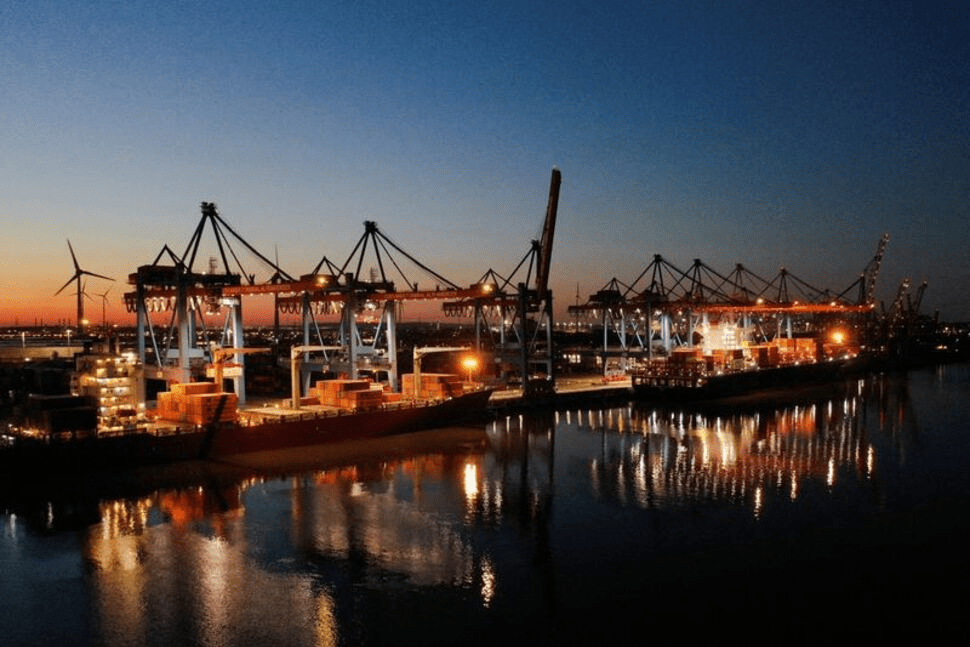
German Economy Grows by 0.3% in Q4, Stats Office Says – The German economy grew by 0.3% in the fourth quarter of 2025 compared with the previous quarter, the statistics office said on Wednesday, confirming its preliminary reading.
But then it’s right back to the regular 24/7 unplanned chaos.
So chill already.
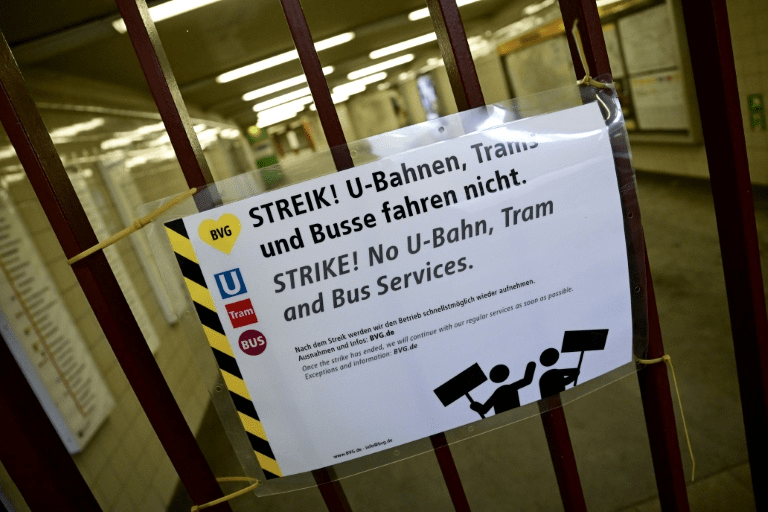
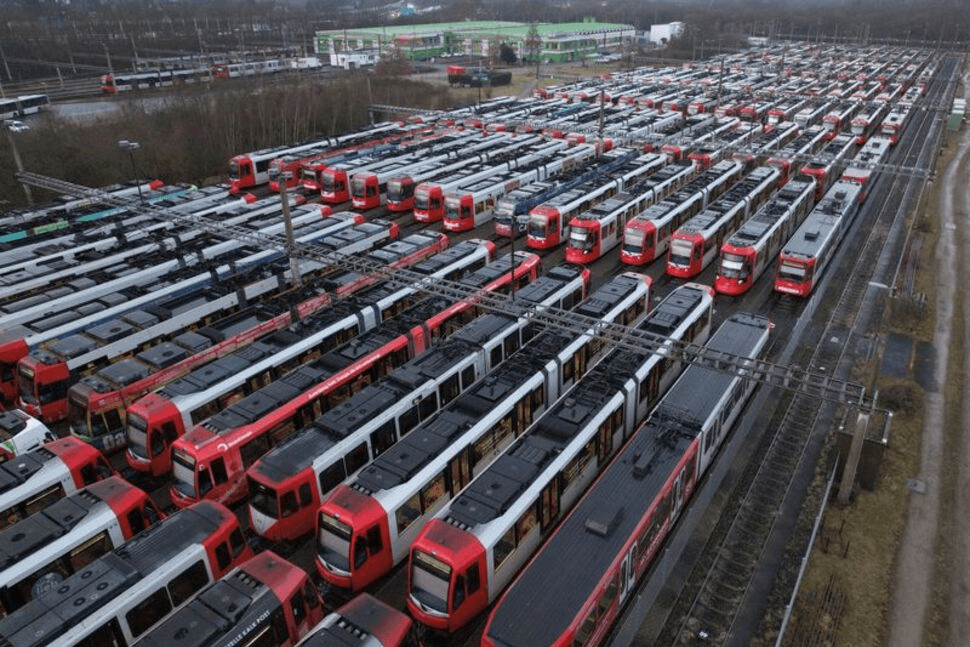
Germans Face Travel Chaos As Transport Workers To Strike – Public transport workers across Germany will stage a 48-hour strike from Friday as talks over pay and conditions stall, a union said, potentially sparking travel chaos for millions.
The Verdi union, negotiating on behalf of about 100,000 workers, said Tuesday it had decided to ramp up pressure on local authorities after making little progress in annual negotiations.
Get a little more original, please. Or get a life already, Berlin Film Festival.
German minister walks out of film festival after claim of Berlin role in Gaza ‘genocide’ – A German minister walked out of the awards ceremony of the Berlin Film Festival after a prize-winning director accused Germany of complicity in the “genocide” committed by Israel in Gaza.
Social Democratic Environment Minister Carsten Schneider left the ceremony on Saturday evening because of “unacceptable” remarks, his ministry says.
Syrian-Palestinian director Abdallah Al-Khatib, who picked up a prize for Best First Feature Award with his “Chronicles from the Siege,” said in his speech that the German government “are partners in the genocide in Gaza by Israel. I believe you are intelligent enough to recognize this truth.”
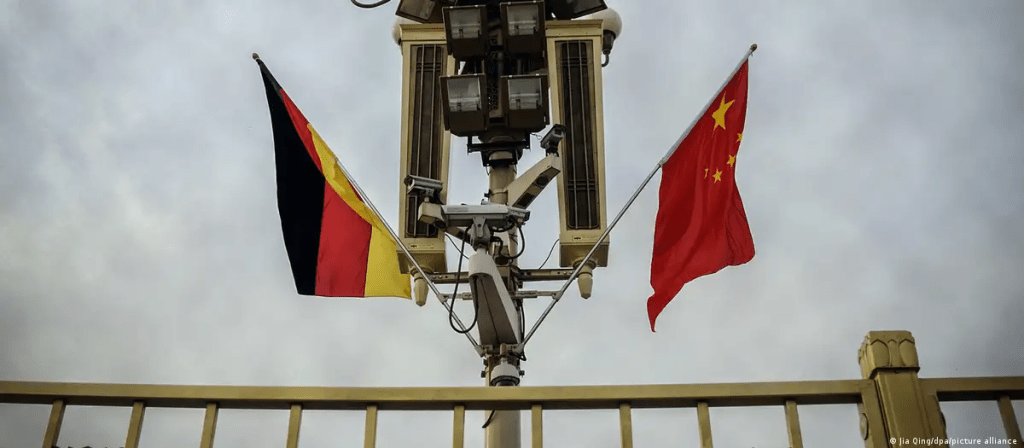
“German business lobby warns of unfair trade practices by China” vs. “China overtakes US to become Germany’s top trading partner.”
China has overtaken the US as Germany’s most important trading partner, according to figures released by Germany’s Federal Statistical Office (Destatis) on Friday.
The sum of exports and imports between the two countries last year totaled €251.8 billion ($296.6 billion), a 2.1% increase, according to Destatis.
China was Germany’s most important trading partner from 2016 all the way through to 2023. In 2024, the US briefly held the title.
German Chancellor Friedrich Merz is also set to visit China next week, where he is set to discuss trade and other topics.
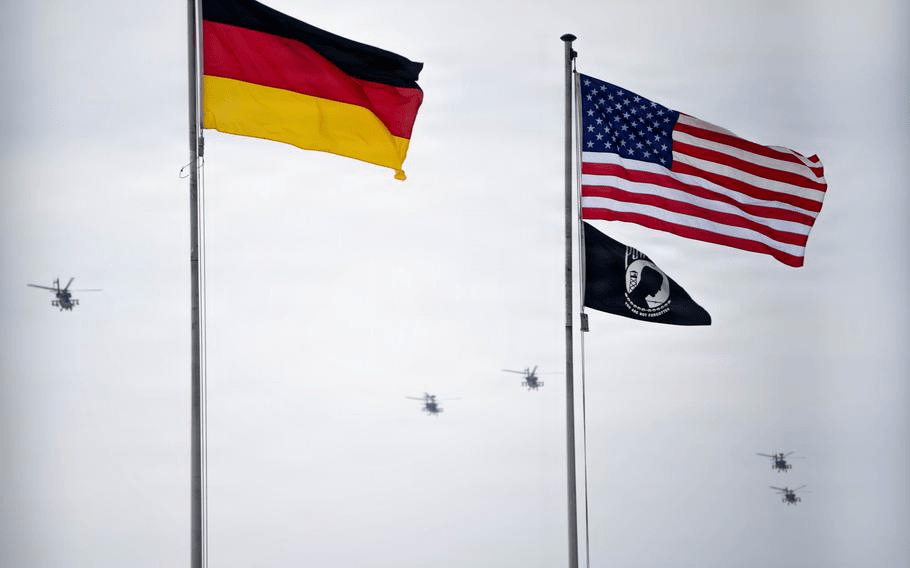
US now ranks behind only Russia as top world peace threat in German eyes, researchers find.
Two-thirds of Germans view the United States as one of the greatest threats to world peace, surpassing China and edging closer to Russia, according to a nationwide opinion poll. The survey by the Allensbach Institute, a German market research firm, revealed that 65% of respondents named the U.S. among the countries they believe could pose the greatest threat to global peace in the coming years.
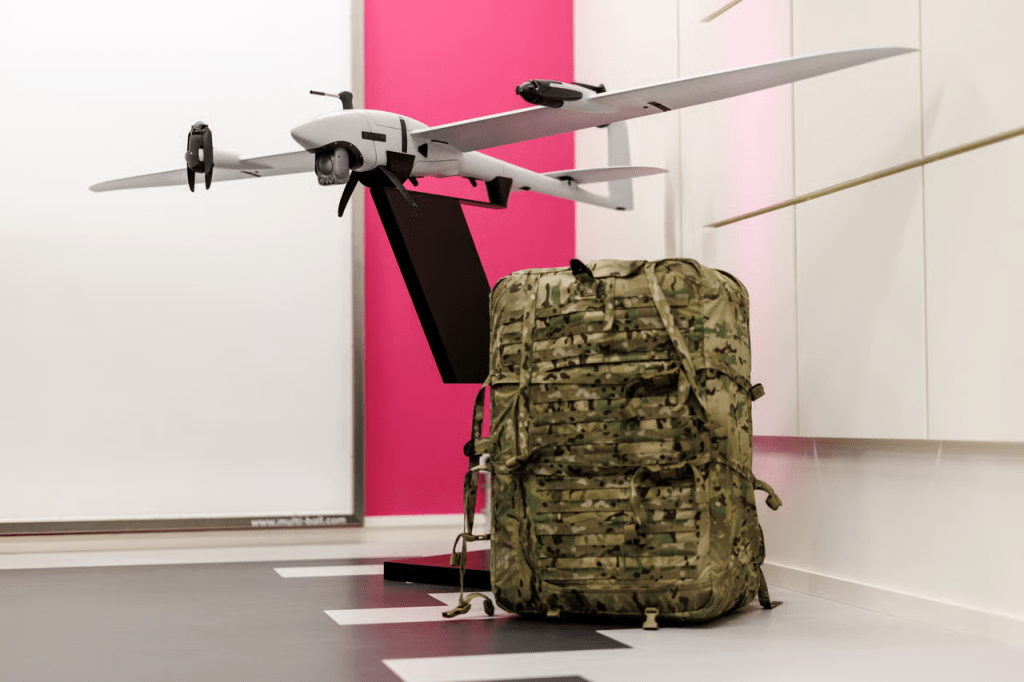
One in three Germans welcome killer robots, new poll says – AI-enabled technologies like drones are transforming warfare but face criticism from rights groups.
Call it “bots on the ground.”
One in three Germans think their country should allow artificial intelligence to make life-or-death decisions on the battle field, according to The POLITICO Poll.
A third of respondents in Germany said they favor AI systems to be used in weapons in place of human decision makers, even if these systems are less transparent, the poll showed.
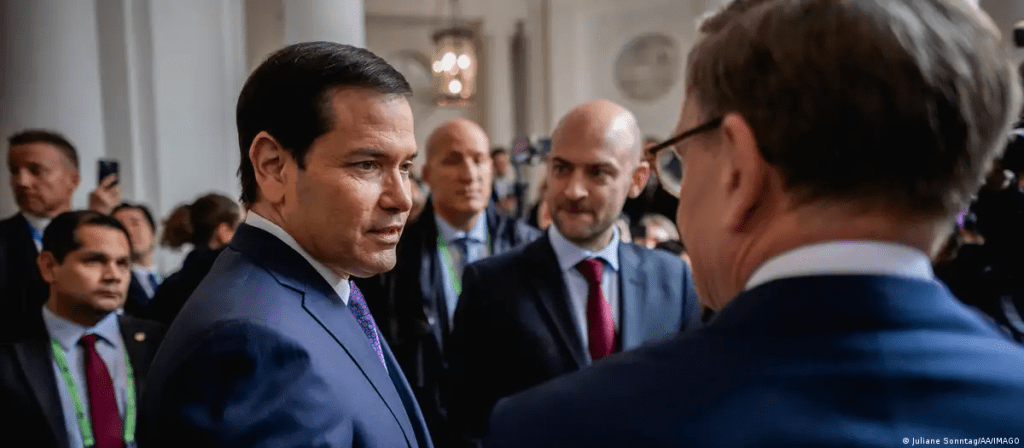
Marco Rubio said essentially nothing different than J.D. Vance did here last year. But go ahead and welcome it this time, Europe, if it makes you feel better.
EU leaders welcome US tone shift in Rubio’s Munich speech – While European leaders cautiously welcomed a softer tone from the US at the Munich Security Conference, American independence and the “Trumpian narrative” remained top of mind for Secretary of State Marco Rubio.
“We in America have no interest in being polite and orderly caretakers of the West’s managed decline. We do not seek to separate, but to revitalize an old friendship and renew the greatest civilization in human history.”
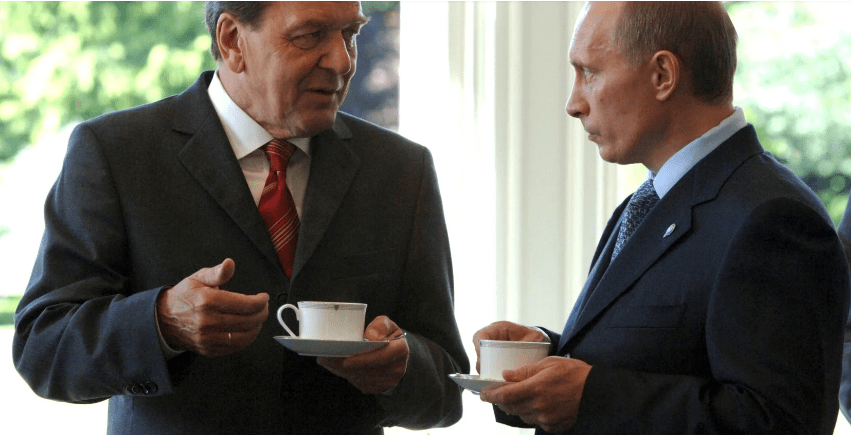
Sorry, but I think Germany has been misreading Russia for a whole lot longer than that.
How Germany misread Russia for three decades – Berlin’s 30-year rapprochement with Russia is a cautionary tale of a country that became blind to the possibility of war – and is now paying the price.
Russia’s full-scale invasion of Ukraine in 2022 brought a remarkable period in German-Russian relations to a close. Commerce, foreign investment, cultural ties and personal connections between the two countries had all grown rapidly in the three decades since the Cold War. Trade with the Russian Federation was up by 600 per cent vis-à-vis 1991, and Germany received more than half its gas imports from Russia.
As trade and cultural exchange were expanding, however, the two countries’ visions of international order remained diametrically opposed: Russia vied to have the final word in Ukraine and the South Caucasus, while Germany sought to integrate these states into the European community. This tension is at the heart of two recent books on German-Russian relations, both fiercely critical of the German government’s failure to confront Russia and the corresponding neglect of securing Europe’s Eastern borders.
Because her, his, its name is Maja T.? I guess you had to be there.
Court in Hungary declares German anti-fascist Maja T. guilty – Maja T., a nonbinary anti-fascist activist from Germany, has been sentenced to eight years in prison in Budapest. The trial has been controversial and has political implications.
On Wednesday, a court in Hungary ruled that Maja T.*, an anti-fascist activist from the city of Jena in the eastern German state of Thuringia, was guilty of seriously injuring several suspected right-wing extremists in Budapest in February 2023. The attacks had apparently been directed at individuals thought to have participated in the annual “Day of Honor” rally of neo-Nazis from all over Europe, held in the Hungarian capital.
According to the indictment, the 25-year-old German was found guilty of attempted grievous bodily harm and participation in a criminal organization. The verdict is not yet final — it can still be appealed through Hungary’s judicial process.
Tens of Thousands of Transport Workers Walk off Job in Germany – Commuters across Germany faced freezing temperatures and empty platforms on Monday as tens of thousands of public transport workers walked off the job in a strike called by trade union Verdi, shutting down bus and tram services in most cities.
Verdi, which represents nearly 100,000 transport workers, called the strike after talks with municipal and state employers over working conditions stalled last week.


 Observing Hermann