It’s just a phase-out the Germans are going through

They’ll come to their senses soon enough.

Or maybe they won’t. Hard to say for sure.

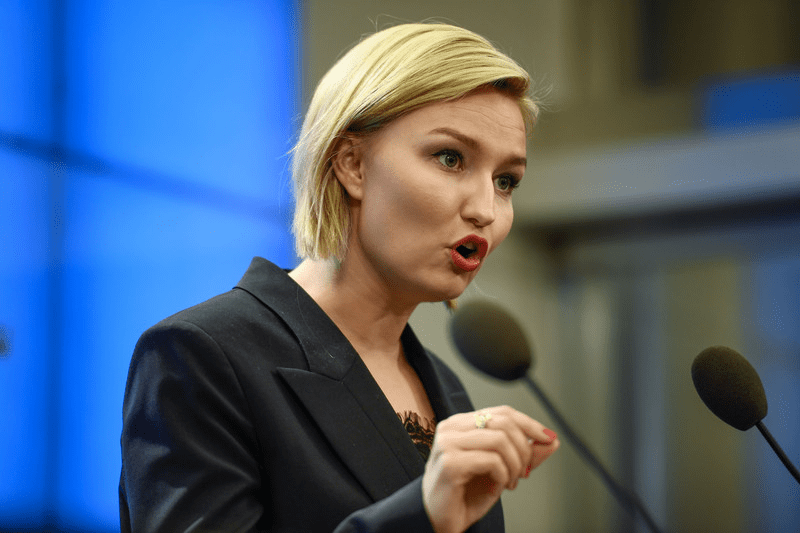
Swedish minister open to new measures to tackle energy crisis, blames German nuclear phase-out – Sweden is ready to introduce new measures to tackle the country’s soaring energy prices, Energy Minister Ebba Busch announced on Thursday (12 December), blaming Germany’s nuclear phase-out for the crisis in the country and at EU level…

One main reason Busch cited for the surge in electricity prices is Germany’s decision to dismantle its nuclear power plants, saying it also has detrimental effects for Europe.

“I’m furious with the Germans,” Busch told Swedish broadcaster SVT.

“They have made a decision for their country, which they have the right to make. But it has had very serious consequences,” she added.

German of the day: Dunkelflaute

That means the “dark duldrums.”

It’s dark here all the time these days, in other words. And there’s not much wind either. “Renewables” don’t seem to like that for some reason.

A weather phenomenon dubbed ‘Dunkelflaute’ is causing havoc in Germany and pushing energy prices to 2-decade highs – A weather phenomenon dubbed “Dunkelflaute” that causes chilly, low-wind conditions is sweeping across Europe and causing fresh havoc to Germany’s embattled economy, where energy prices have risen to a two-decade high.

A Dunkelflaute, translated as “dark doldrums” or “dark wind lull,” is the bain of renewables companies, with an extended period of low wind and cloudy weather hurting their ability to generate electricity from either wind or solar.

Unexpected?

Not if you live in Germany.

It’s the cost of enertgy, stupid.

German industrial output unexpectedly falls in October – German industrial production unexpectedly fell in October, owing mainly to declines in energy production and in the automotive industry, the federal statistics office said on Friday.

Production was down by 1.0% in October from the previous month, the office said.

Investing in Africa may be too risky…

But it’s not as risky as investing in Germany.

German Fortune 500 companies have announced over 60,000 layoffs this year, but the biggest employee cull is still to come – German companies in the Fortune 500 Europe have announced over 60,000 layoffs this year, in a sign of the country’s ongoing economic malaise that has left manufacturers reeling.

Major German employers, including Bosch, Thyssenkrupp, Deutsche Bahn, and Siemens, have this year announced plans to lay off thousands of workers in a bid to combat falling profits following a rocky post-COVID economic landscape.

German of the day: Nostalgie

That means nostalgia.

You know, the sentimental yearning for the happiness of a former place or time? Way back when? In the past?

Germany’s Volkswagen crisis: an ode to nostalgia – Germany’s car manufacturer and long-time economic powerhouse Volkswagen has shaped the lives and memories of generations of Germans. It’s current crisis gives pause to reflect on its importance in Germany’s history.

Breaking up is hard to do

But somebody has to do it.

Germany’s loveless coalition teeters on brink of break-up – Chancellor Olaf Scholz snubs partners, fuelling speculation of early elections in spring.

Chancellor Olaf Scholz held a much-vaunted “industrial summit” on Tuesday, sitting down with business leaders and union bosses to figure out how to pull Germany out its current malaise. Pointedly left off the guest list: his own finance and economy ministers.

Robert Habeck, the economy minister, responded by unveiling plans for a multibillion-euro, debt-financed investment fund — an idea not previously discussed with cabinet colleagues — while finance minister Christian Lindner simply scheduled his own, rival business summit on the same day…

Speculation is growing in Berlin that the alliance could soon collapse, pulled apart by its own internal contradictions. Several German media outlets have even named a possible date for snap elections — March 9, more than six months ahead of schedule.

“Everything that could go wrong went wrong, or is going wrong”

Other than that though, alles ist in Ordnung (everything’s OK).

Germany’s lost decade: How the Fortune 500 Europe giant is flirting with long-term irrelevance – There is an elephant in the room of the 2024 edition of the Fortune 500 Europe. It’s not a crisis-riddled company or scandal-hit CEO. Rather, it’s the whole German economy.

For most of the 21st century, economists and neighboring countries have looked to Germany with admiration and envy as it managed to weather economic storms with relative ease, capitalizing on trade with growing economies and expanding the power of its industrial giants in the process.

However, a shifting world order has pulled the carpet out from underneath Germany. The industrial quirks that once helped it outgrow its European peers are fast becoming a burden, and crisis after crisis has exposed a lack of planning at the top of government.

Last one out turn off the lights

Oh, sorry. Green energy already turned the lights off for you.

Germany in crisis: Intel and Volkswagen mull a multibillion-dollar withdrawal from the country.

For the first time in its 87-year history, Volkswagen is considering shutting down plants in Germany, where it employs around 300,000 people, as the company ramps up efforts to save €10 billion in costs…

Reuters reports that Intel will consider pausing or halting plans for its €30 billion ($33 billion) factory in the east German city of Magdeburg as the semiconductor manufacturer looks for cost savings. Germany had committed €9.9 billion ($10.9 billion) to the project when it was announced in June last year.

Green energy is fun!

In Green Unicornland, maybe.

But in real countries like Germany where you have to pay real subsidies you can’t afford to pay anymore, that’s where the fun must eventually stop.

Germany’s Ballooning Subsidy Costs Show Challenge of Going Green – Subsidies are draining budget as green power appeal surges Shift may set tone for others contemplating cost of transition.

Germany is buckling under the weight of ballooning renewable energy subsidies, raising questions for governments across the world about how long they can afford to prop up green investments.