I sea what you did there…

But I’m not shore if you were serious.
What goes around comes around.

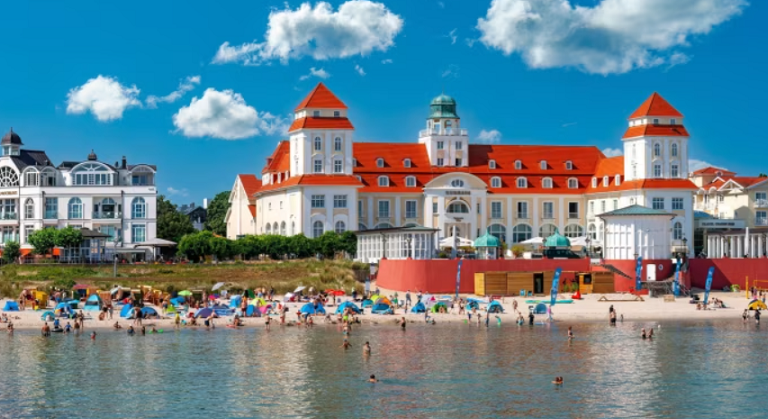
Island strife: Greece serves Germany a dose of its own medicine – A former minister in Athens turns the tables with a proposal that recalls unwelcome advice during the debt crisis.

As Greece sank into the mother of all debt crises in 2010, the German tabloid Bild ran a story under the headline: “Sell your islands, you bankrupt Greeks! And sell the Acropolis, too!”

One former Greek government minister never forgot the newspaper’s impertinent advice. Like a reincarnation of Nemesis, the ancient Greek goddess, Panagiotis Lafazanis last week recommended — in an interview with Bild, no less — that Germany should consider selling an island or two to overcome a budgetary emergency of its own.
We just… can’t… stop…

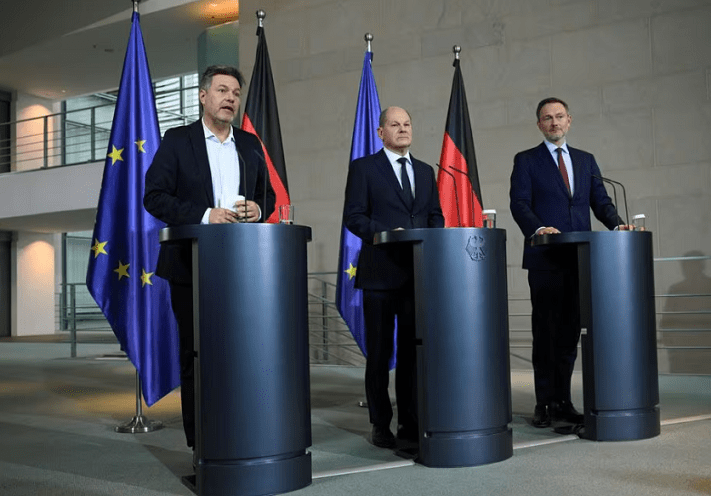
Burning… other people’s money!

Our people’s money (i.e. taxpayer money). Sorry, but that’s what you elected us to do.

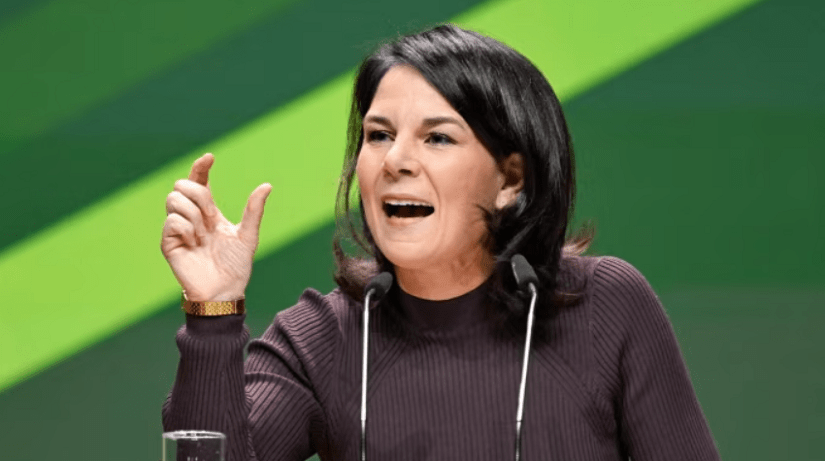
Germany to pay into climate funds despite budget crisis – Foreign minister Annalena Baerbock says country will fulfil its international obligations.

More wiggle, wiggle, wiggle

They’re still squirming. 1) No money but lots and lots of things to spend it on (spending voters’ taxes is how they get votes). 2) Can’t raise taxes any higher (voters are already being taxed to death).

Let’s see. 3) There’s still this debt brake thing we could tweak (except we would need to change the German constitution and the opposition won’t help us).

This adds up to… Are you serious? Do you honestly mean to tell us that we now have no choice but to set priorities and, gulp, cut spending? OMG we’re all gonna die!

Germany’s budget crisis spurs calls to change its borrowing limits – Germany’s budget crisis has given new momentum to reforming self-imposed borrowing limits even among the opposition conservatives, as hunger for sorely needed investment trumps an earlier political obsession with fiscal rectitude.

Asking a government to “fund honestly?”

A government with Net Zero Honesty? Good luck with that.

The truth hurts too much.

Germany Faces the Green Fiscal Truth – The constitutional court rules Berlin will have to fund net zero honestly.

Things have gone from bad to worse in Germany this week after a court ruling that’s forcing the government to do something truly shocking: level with voters about how much the net-zero energy transition will cost. Please pass the smelling salts.

German of the day: La malignità

Actually, that’s Italian. Meaning Schadenfreude, which is German. Meaning schadenfreude in English. Meaning malicious glee, of course. It’s complicated.

Meloni’s Italy Tastes Schadenfreude Over German Fiscal Fiasco – Stable ratings for Rome contrast with Germany’s fiscal pickle.

“Germans make mistakes too,” says professor at Bocconi.

Italian Prime Minister Giorgia Meloni could be forgiven for feeling any schadenfreude this week while looking on at Germany’s unfolding budget debacle.

A string of fiscal wins for Rome has just coincided with a crisis rocking Chancellor Olaf Scholz’s coalition in Berlin after a calamitous court judgment cast doubt on its financing plans.

Po’ Folks

That face you make when you can’t spend as much of other people’s money as you’d planned.

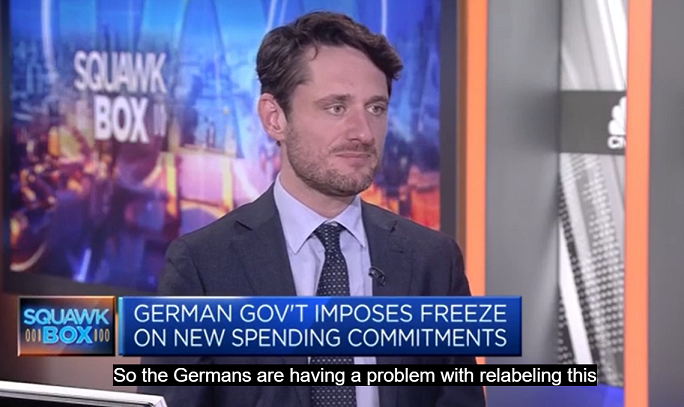
German court deals 60 billion euro budget blow to Scholz government – The German government froze major spending pledges focused on green initiatives and industry support on Wednesday after a constitutional court ruling on unused pandemic emergency funds blew a 60 billion euro ($65 billion) hole in its finances.

The decision threw into disarray budget negotiations taking place this week within Chancellor Olaf Scholz’s three-way ruling coalition, whose popularity has slumped as Europe’s biggest economy teeters close to another recession.

What, me worry?

About work? I live in Germany.

I’ll just live off the state (i.e., taxpayers). Everybody’s doing it!

Germans question value of working after new welfare increases, survey shows – More than half of Germans believe work is not worthwhile after the government’s planned increase in welfare payments and child benefits, a survey showed on Tuesday.

The government said it was raising benefits, first introduced in 2005, to fight child poverty and help citizens cope with inflation, but added it did not want to deter people from work altogether.

Welfare payments, dubbed “citizens’ money”, for more than 5.5 million jobless in Germany will rise to 563 euros ($605.06)from 502 euros per month for single people from next year.

PS: What you may not be aware of is that those who receive welfare payments in Germany also get their rent, healthcare and other entitlements paid for in addition.

German Consumers Are An Odd Lot

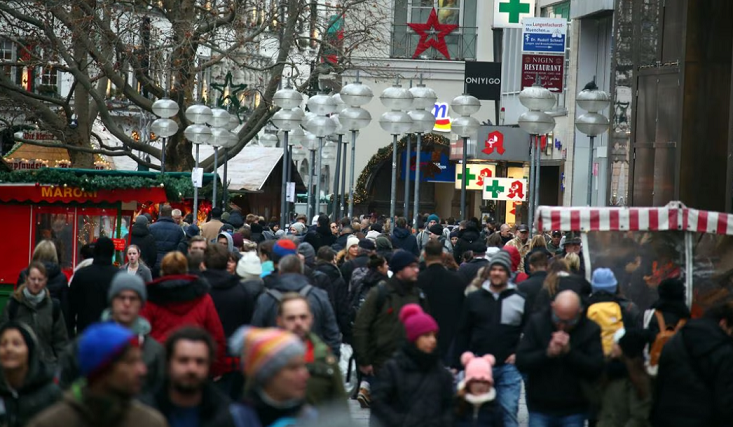
They have this annoying tendency to not spend money they don’t have.

It has to do with something they call “debt.” Whatever that is.

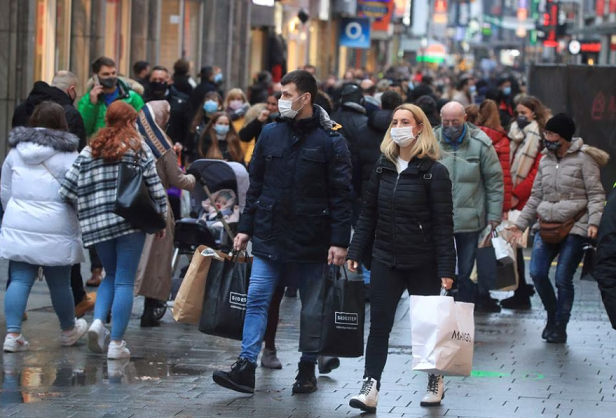
Analysis: Spend the recession away? Not the thrifty Germans – A drop-off in spending by inflation-hit consumers was one of the main reasons Germany fell into recession in the first quarter, even as other countries in the region managed to avoid it.

What’s more, even with inflation starting to ease across Europe, the signs are that Germany’s famously thrifty shoppers are not ready to spend their way out of recession – meaning the region’s largest economy will have to look elsewhere for growth.

Everything Is Going To Plan

You didn’t really believe that Germany was going to spend that 100 billion euro special fund for the military for the military, did you?

German military in worse shape than before Russia’s invasion – The German military is suffering from a greater shortage of weapons and equipment than before Russia’s invasion of Ukraine a year ago, the Parliamentary Commissioner for the Armed Forces said in her annual report on Tuesday.

“The Bundeswehr has too little of everything, and it has even less since (Russia’s invasion on) Feb. 24, 2022,” Eva Hoegl, who acts as an advocate defending the rights of the troops, told reporters in Berlin.

German Of The Day: Allzeittief

That means all-time low.

Buying mood in Germany drops to all-time low – Consumer sentiment in Germany has reached an all-time low due to the high cost of living. The consumer barometer of the German Retail Association (HDE) fell for the third month in a row, reaching a value of 84.14 points in October, the association announced on Tuesday. The value had already fallen to 90.53 at the beginning of the Corona crisis in April 2020 but then temporarily rose again to more than 100.

Consumer pessimism is expected to have a “negative impact on private consumption in the coming months,” the association said.