Yes, Germany is looking again at coal-powered electricity

After that, it will look again at nuclear-powered electricity.
It’s only a matter of time.

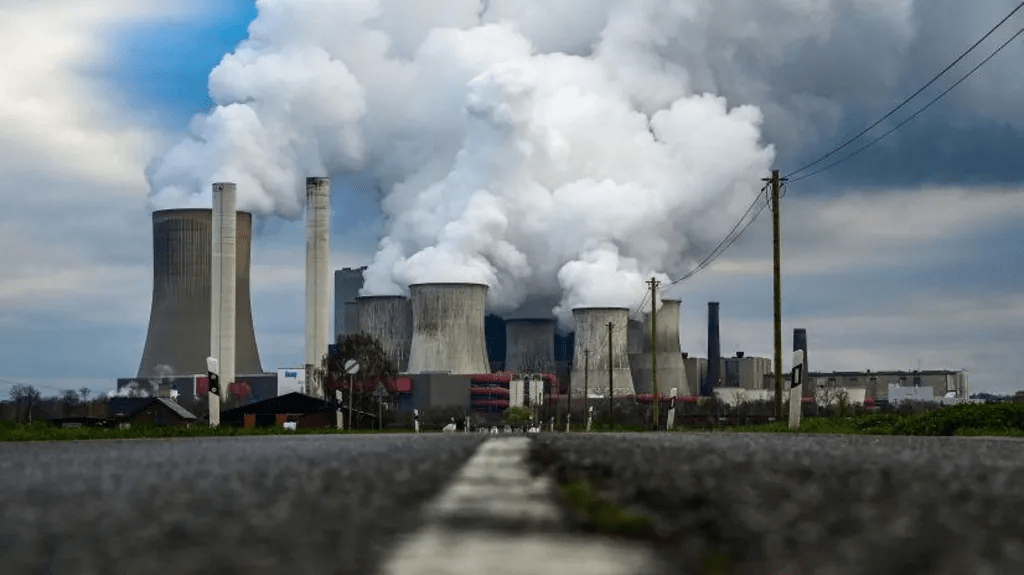
Is Germany looking again at coal-powered electricity?

Germany is the biggest user of coal for power generation in Europe, and the fourth largest in the world after China, India and the US. But it has pledged to stop using it altogether by 2038.

For lignite, the low-quality soft coal that is the most polluting, Germany has even brought the phase out forward to 2030.

Currently some 20% of German power generation comes from coal, but it wishes to end this as it focuses on growing wind and solar.
Now that the party’s over…

We’re here to help.

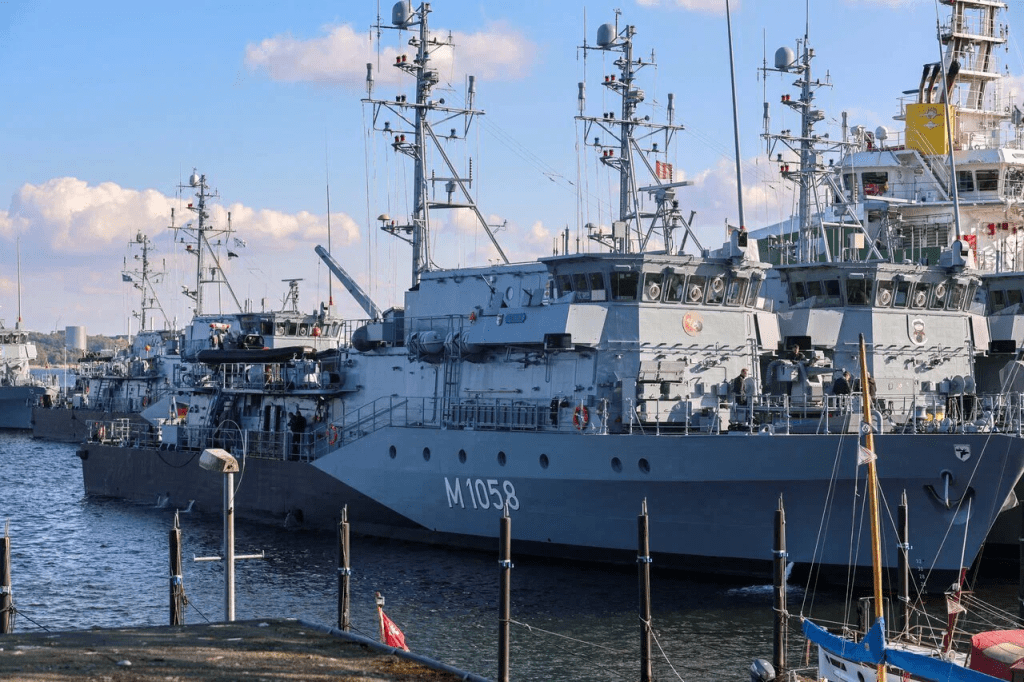
Germany deploys ship to Red Sea for possible Hormuz mission, minister says – Germany is deploying two ships to ​the Red Sea in ‌preparation for a possible military mission in the Strait of ​Hormuz, Germany’s Defence ​minister Boris Pistorius said on ⁠Thursday.

“As we speak, our ​minesweeper Fulda and the ​supply ship Mosel are sailing through the Suez Canal towards the ​Red Sea,” he ​told reporters as he arrived for ‌a ⁠meeting with his NATO counterparts in Brussels.

Which population?

The German population, as in actual Germans, in Germany?

Most definitely. And it’s been doing so for years.

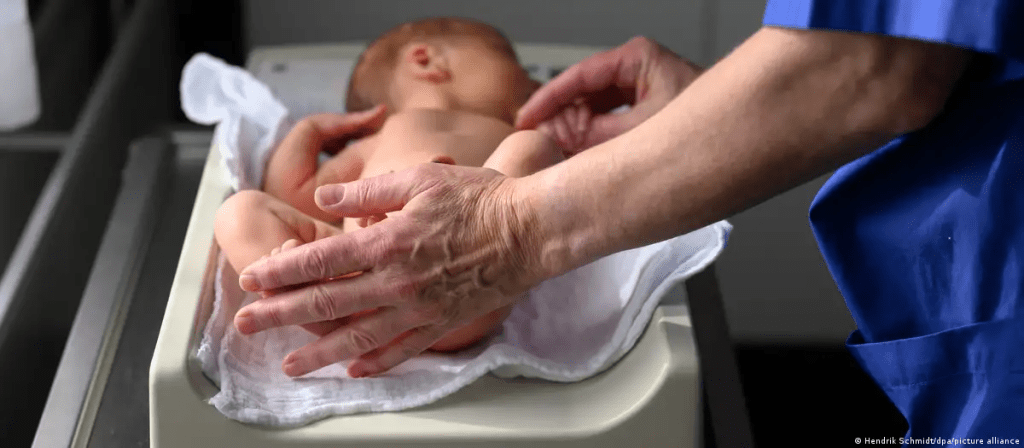
Germany news: Population shrinks for first time since 2020 – A dip in net migration meant it could not cancel out Germany’s low birth rates in 2025.

Germany’s population shrank by roughly 110,000, or 0.13%, last year.

German of the day: Herablassend

That means condescending.

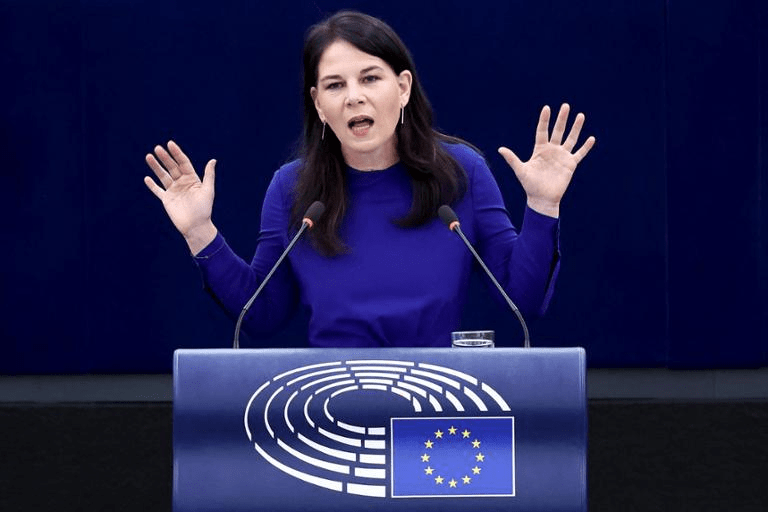
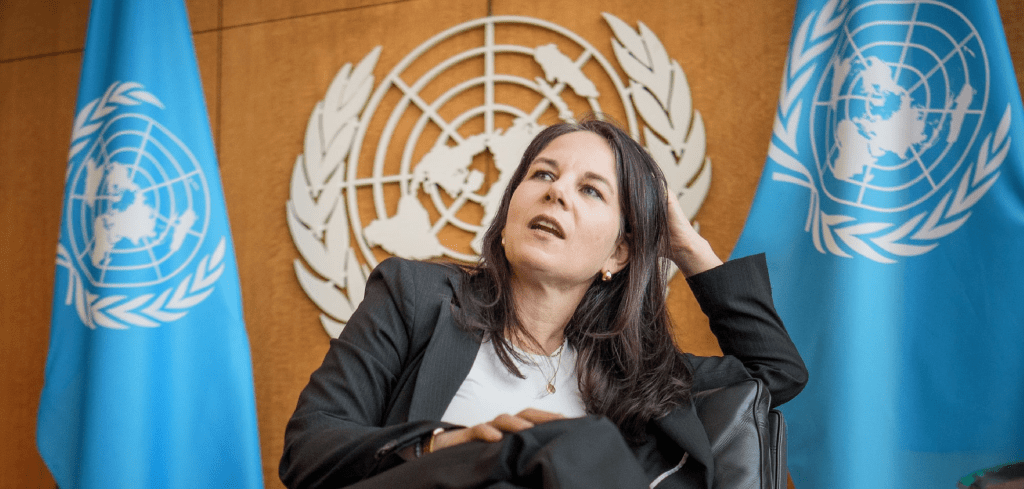
After UN fiasco: Former African president harshly criticizes Baerbock – “condescending.”

On the sidelines of a summit of African leaders in Nairobi, Botswana’s former President Mokgweetsi Masisi spoke to Bild in strong terms: “Perhaps Ms. Baerbock should have focused on doing her job in German diplomacy instead of trying to dictate to Nigerians where to build their toilets and telling Africans how to deal with elephants.” Masisi added: “Perhaps Germany would then have received more votes from Africa for the UN seat.”

Big Bang Theory

And practice.

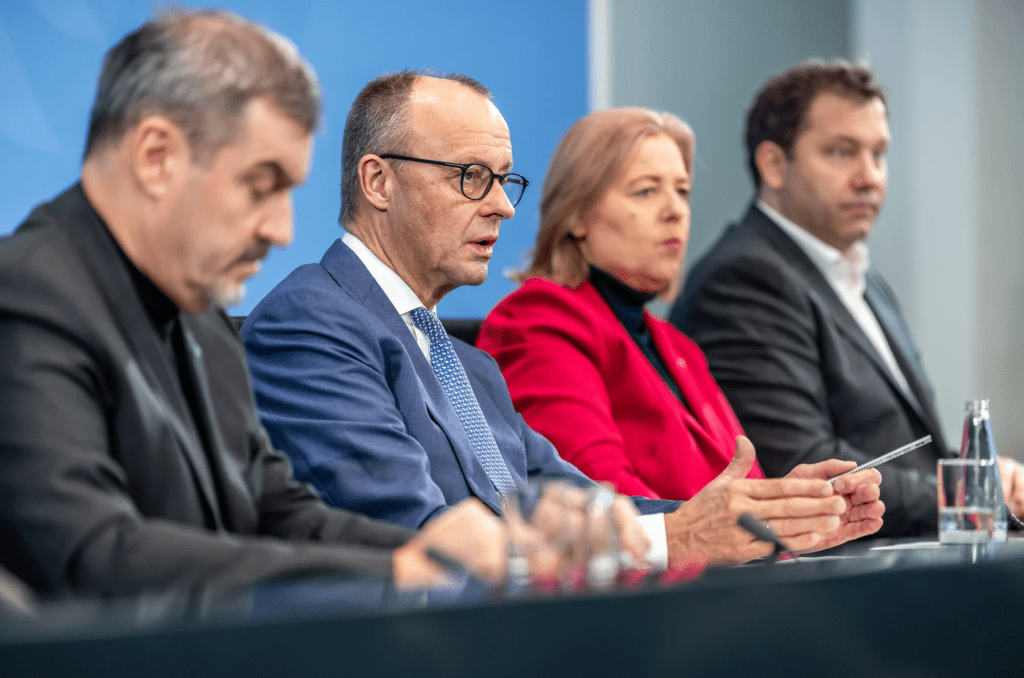
Chancellor Friedrich Merz (CDU) has already ruled out a “big bang” of reforms out of consideration for the SPD and a frightened public. However, the verbal de-escalation ahead of the coalition committee meeting should not obscure the extent of the need for action and, above all, who must take the initiative to help Germany emerge from the economic crisis: the SPD, led by Labor and Social Affairs Minister Bärbel Bas, as well as the labor unions. But it won’t work without the cooperation of CSU leader Markus Söder, who is at times very much a social democrat.

German of the day: Verbockt

That means to bungle.

And that kind of sort of rhymes with Baerbock, which also means to bungle.

Verbaerbockt?

“Baerbock blew it” – CDU/CSU calls for an inquiry into the Green Party politician following the UN defeat – CSU foreign policy expert Stephan Mayer is calling for an investigation into Germany’s failure to secure a seat on the UN Security Council. Former Foreign Minister Annalena Baerbock must answer questions before the Foreign Affairs Committee.

Following Germany’s failure to secure a non-permanent seat on the UN Security Council, the CDU/CSU is stepping up pressure on former Foreign Minister Annalena Baerbock. CSU foreign policy expert Stephan Mayer is calling for the Green Party politician to be questioned in the Bundestag, as reported by “Bild.”

“We must thoroughly investigate the causes of this embarrassing election defeat,” Mayer said. To that end, he added, “it is absolutely essential that Annalena Baerbock answer questions from the Bundestag’s Foreign Affairs Committee.” The former foreign minister must explain “how and when her office took specific steps to mobilize majorities in support of Germany’s bid for a non-permanent seat on the Security Council.”

I pledge allegiance to the…

Well, to whatever nationality I feel like pledging it to on any give day.

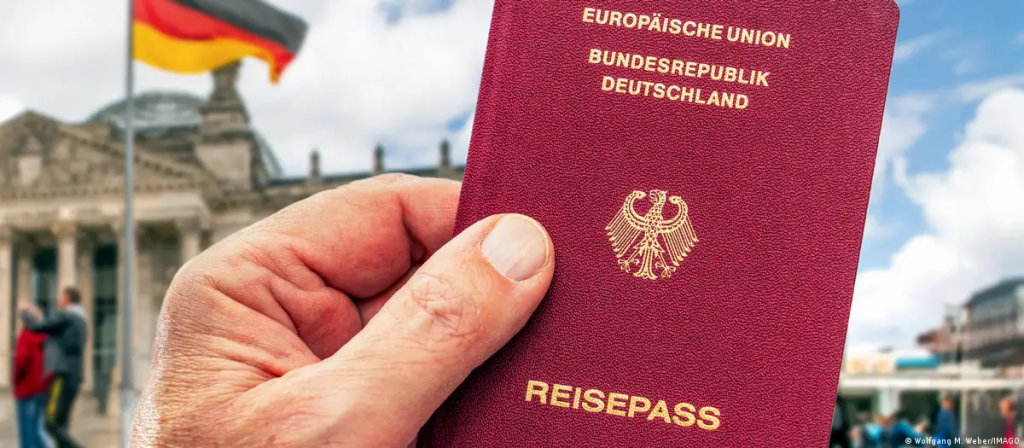
Most new German citizens keep original nationality: survey – Germany’s previous government changed laws to allow dual citizenship. A new survey shows that, one year after that reform, more than 85% of new German citizens are opting to keep their original nationality.

The majority of people who were granted German citizenship last year retained their original nationality, according to a survey by the Mediendienst Integration research group.

It found that the number of newly naturalized citizens with more than one nationality in 2025 ranged from 85% to 98% in cities that collected data.