Join?

Yes. Maybe.

But only after everything’s all over.

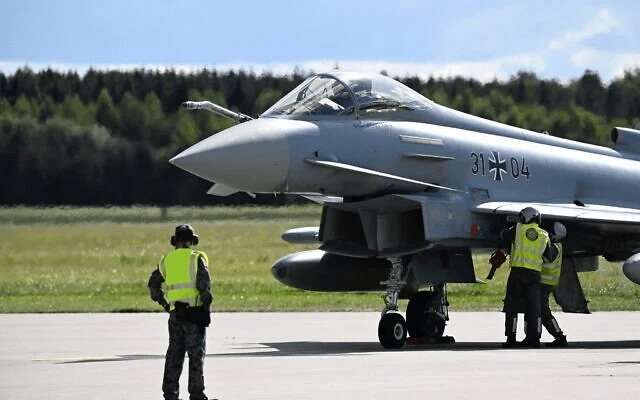
Germany said considering joining Israel-US campaign against Iran – Germany is seriously considering joining the US-Israeli campaign against Iran if the regime does not cease attacking countries in the region amid the conflict, German political and military sources tell Israel’s Army Radio.

Planning for possible military action with the United States is already underway, ranging from joining bombing strikes to providing military and aerial assistance, officials in Germany’s foreign ministry and members of the Bundestag’s Foreign Affairs Committee tell the radio station.
The Incredible Shrinking Nation

Or country. Or culture. Or whatever.

After Germany begins to shrink because of exposure to a combination of radiation and insecticide, medical science is powerless to help it…

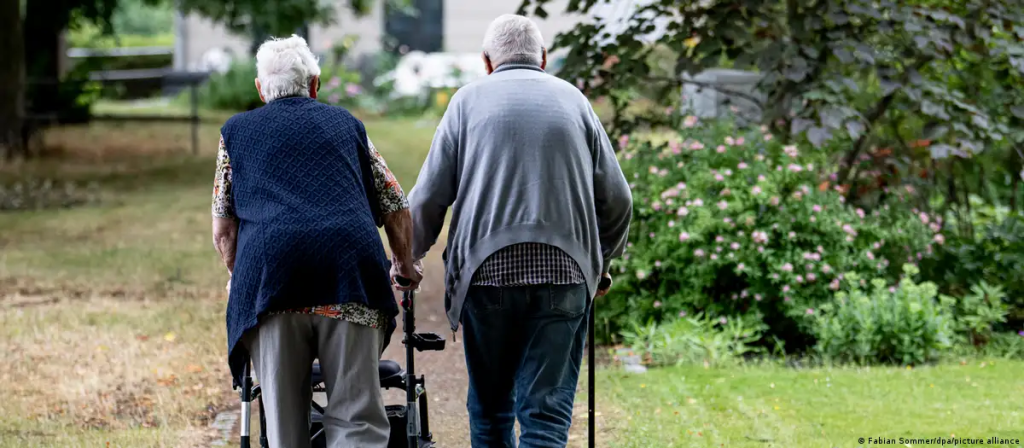
Germany is aging and shrinking much faster than expected – The latest forecasts predict a sharp decline in the population. One reason is that too few children are being born. Immigration, even in greater numbers, will not offset the trend.

48-hour planned chaos!

But then it’s right back to the regular 24/7 unplanned chaos.

So chill already.

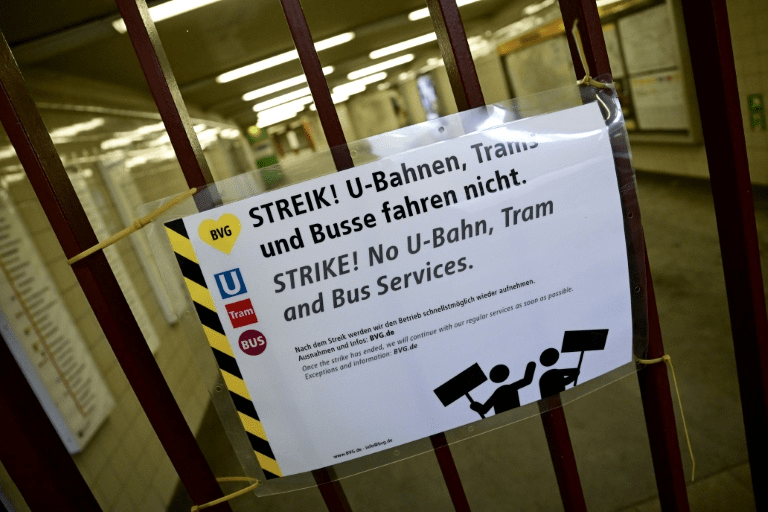
Germans Face Travel Chaos As Transport Workers To Strike – Public transport workers across Germany will stage a 48-hour strike from Friday as talks over pay and conditions stall, a union said, potentially sparking travel chaos for millions.

The Verdi union, negotiating on behalf of about 100,000 workers, said Tuesday it had decided to ramp up pressure on local authorities after making little progress in annual negotiations.

Germany + China = Shock

For Germany.

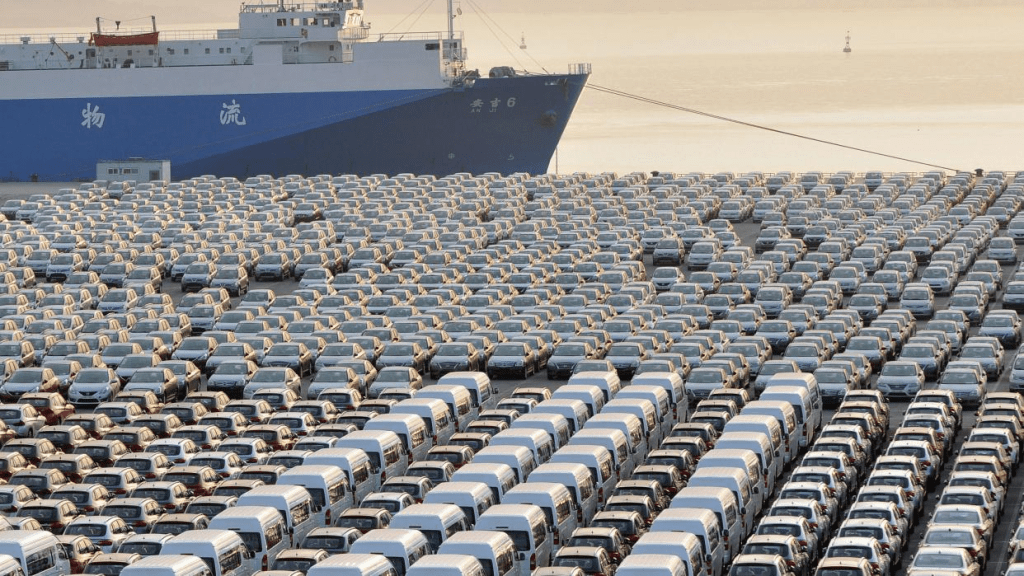
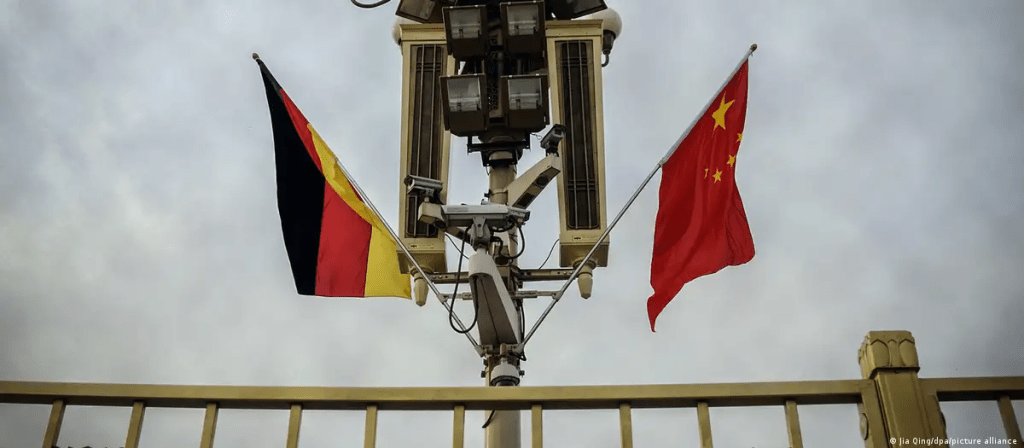
“The China shock is here,” the German Economic Institute declared last year. Indeed, 2025 will go down as the year in which it could no longer be denied. Germany’s trade deficit with China reached a record level of €87 billion—an increase of €20 billion compared to the previous year. And German exports to China continue to be in free fall. The United States, France, the Netherlands, Poland, and Italy have by now become more important export markets for Germany than China.

Maybe not the best top trading partner to have.

A Tale of Two Headlines

“German business lobby warns of unfair trade practices by China” vs. “China overtakes US to become Germany’s top trading partner.”

China has overtaken the US as Germany’s most important trading partner, according to figures released by Germany’s Federal Statistical Office (Destatis) on Friday.

The sum of exports and imports between the two countries last year totaled €251.8 billion ($296.6 billion), a 2.1% increase, according to Destatis.

China was Germany’s most important trading partner from 2016 all the way through to 2023. In 2024, the US briefly held the title.

German Chancellor Friedrich Merz is also set to visit China next week, where he is set to discuss trade and other topics.

Just because Mommy is a mummy…

Doesn’t mean she still isn’t retired.

She just, well, as Norman Bates once said: “She isn’t quite herself today.”

German Woman Hid Mother’s Dead Body For Years To Claim Pension: Cops – Police suspected the daughter of hiding the body for years so she could continue collecting the woman’s pension, worth around 1,500 euros ($1,780) per month.

The US is not powerful enough to go it alone”

Says the leader of Germany, a country that is not powerful enough to “go it” with the help of partners and allies.

Meaning, I suppose: “But we’ll help you if you ask nicely.”

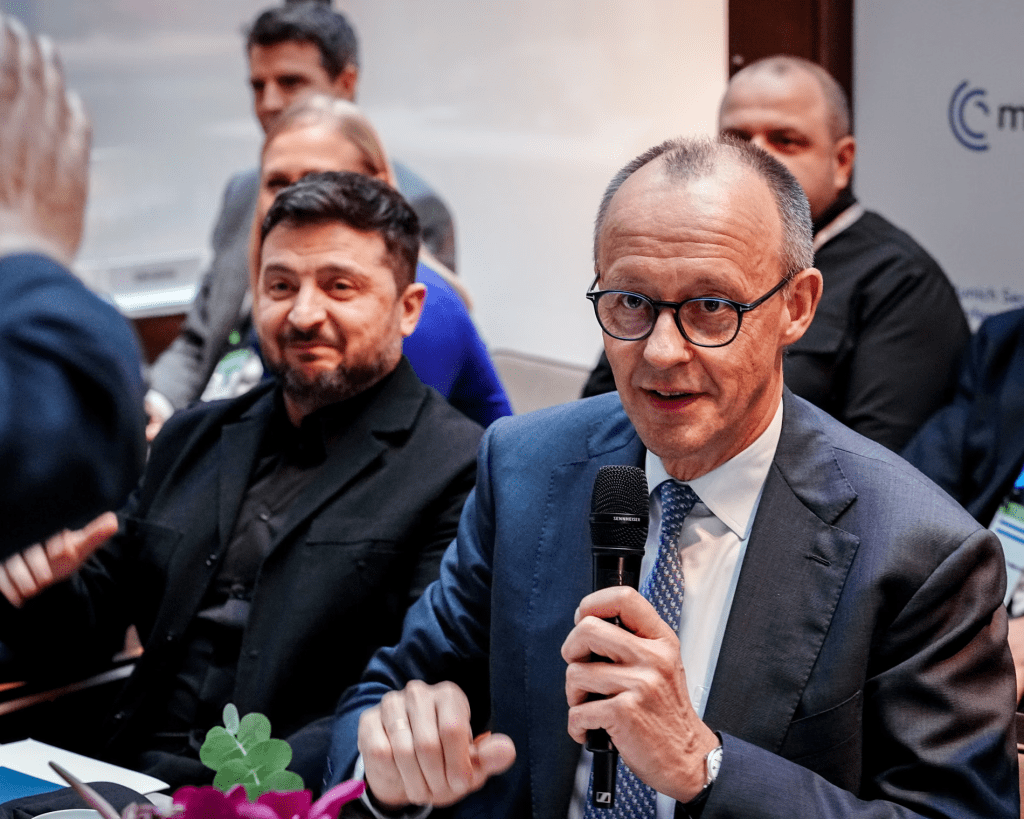
US ‘not powerful enough to go it alone’, Merz tells Munich conference – German chancellor rebuts idea of American unilateralism and says ‘democracies have partners and allies.’

The US acting alone has reached the limits of its power and may already have lost its role as global leader, Friedrich Merz, the German chancellor, warned Donald Trump at the opening of the Munich Security Conference.

Merz also disclosed he had held initial talks with the French president, Emmanuel Macron, over the possibility of joining France’s nuclear umbrella, underlining his call for Europe to develop a stronger self-standing security strategy.

No Good Men

Originally titled “Men No Good,” it’s a film about no good men who are just no good.

So you can bet everybody who’s anybody will want to see it at this year’s Berlin International Film Festival, which is also no good, but at least run by women.

Berlin Film Festival 2026: Opening Gala, ‘No Good Men’ Premiere & Red Carpet Gallery – The 76th Berlin International Film Festival rolled out the red carpet today for the opening film and the world premiere of No Good Men by award-winning Afghan director Sharbanoo Sadat, starring Shahrbanoo Sadat, Anwar Hashimi, Liam Hussaini, Yasin Negah, and Torkan Omari at the Berlinale Palast.

The Berlinale launched with a festive opening ceremony led by Festival Director Tricia Tuttle and Jury President Wim Wenders. The evening featured the introduction of the International Jury and the presentation of the Honorary Golden Bear to Michele Yeoh, with Sean Baker delivering the tribute.

German of the day: Sich ins Knie schießen

That means to shoot yourself in the foot, only in German it’s the knee.

With the highest energy prices in Europe (in the world?), what choice does German industry have but move? Go Greens.

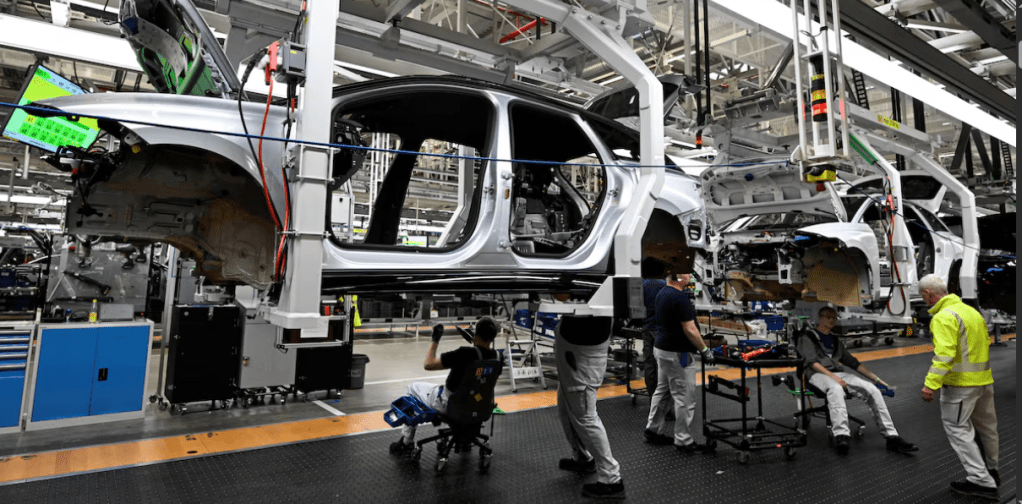
German auto industry in ‘crisis’ as investments, jobs move abroad, lobby says – Germany’s standing as an automotive industrial hub risks being hollowed out as investments and jobs drift abroad, an industry association warned on Tuesday, calling on Berlin and Brussels to focus on measures that spur growth.

“Germany is experiencing a huge crisis as a business location,” VDA President Hildegard Mueller said.

A VDA survey of small- and medium-sized German enterprises across the auto supply chain, presented by Mueller on Tuesday, showed that 72% of companies plan to dial back their investments in Germany, either by moving them abroad (28%), postponing them (25%) or cancelling them completely (19%).

It was only three decades?

Sorry, but I think Germany has been misreading Russia for a whole lot longer than that.

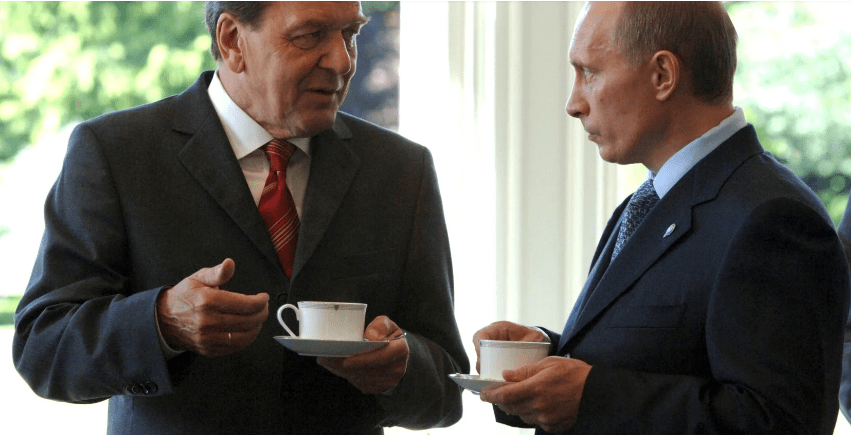
How Germany misread Russia for three decades – Berlin’s 30-year rapprochement with Russia is a cautionary tale of a country that became blind to the possibility of war – and is now paying the price.

Russia’s full-scale invasion of Ukraine in 2022 brought a remarkable period in German-Russian relations to a close. Commerce, foreign investment, cultural ties and personal connections between the two countries had all grown rapidly in the three decades since the Cold War. Trade with the Russian Federation was up by 600 per cent vis-à-vis 1991, and Germany received more than half its gas imports from Russia.

As trade and cultural exchange were expanding, however, the two countries’ visions of international order remained diametrically opposed: Russia vied to have the final word in Ukraine and the South Caucasus, while Germany sought to integrate these states into the European community. This tension is at the heart of two recent books on German-Russian relations, both fiercely critical of the German government’s failure to confront Russia and the corresponding neglect of securing Europe’s Eastern borders.