That means jail for life. Which actually means only fifteen (15) years in Germany.
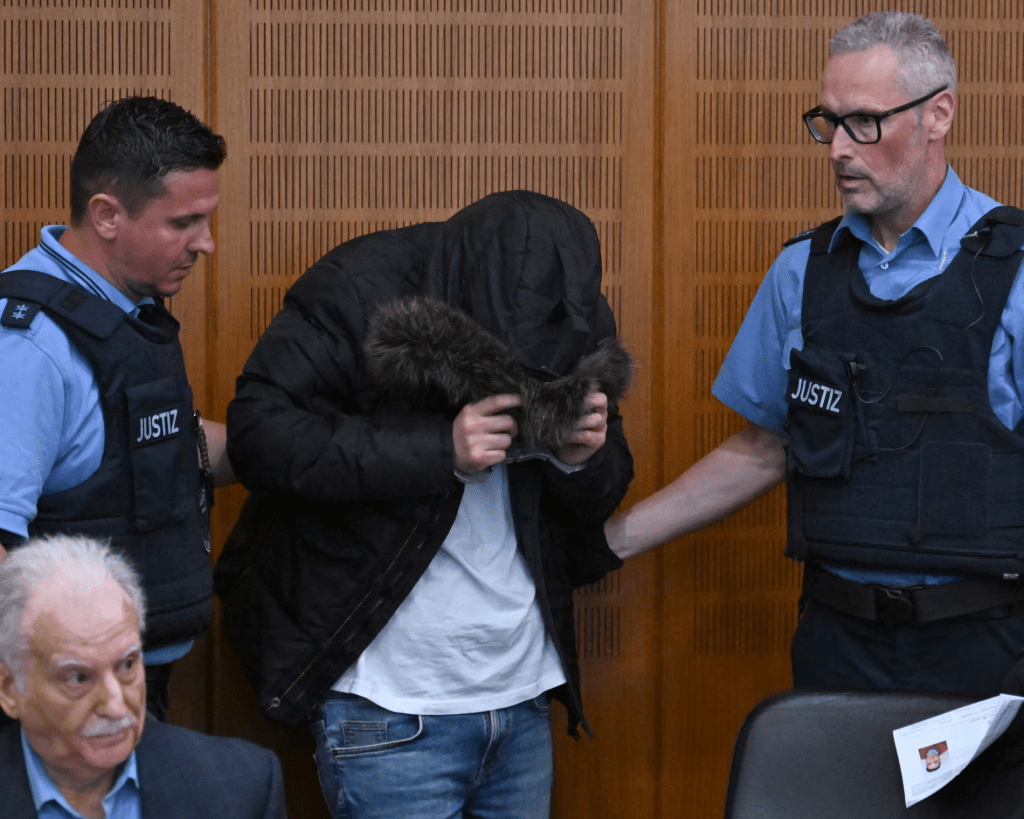
German court sentences Syrian doctor to life in jail for crimes against humanity – Alaa Mousa accused of torturing detainees at military hospitals during Syrian civil war under former ruler Bashar al-Assad…
Mousa has lived in Germany for 10 years. He worked in various clinics over five years as an orthopaedic medic, most recently at a hospital in Bad Wildungen in the state of Hessen, in western Germany, until his arrest in summer 2020. He was recognised and reported to the authorities after some of his victims saw him in a TV documentary about the Syrian city of Homs and was placed in custody. The court case against him at Frankfurt’s higher regional court started in January 2022 and took place over nearly 190 days.
Germany’s first since, well, ever. Breaking taboos is hard to do.
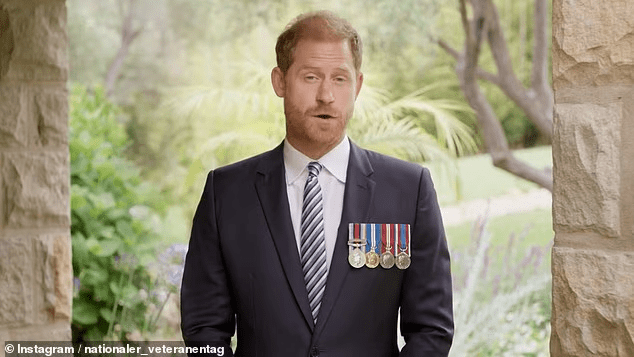
Germany will hold its first celebration of veterans since the second world war on Sunday, as the nation recalibrates its complex relationship with the armed forces in the wake of Russia’s invasion of Ukraine. Germany breaks taboo with first celebration of veterans since second world war
Russian aggression in Ukraine has helped drive a historic shift in attitudes towards military.
Defence minister Boris Pistorius will join current and former soldiers and members of the public taking part in a day of events across the country — including at a “veterans’ village” constructed in front of the Reichstag in Berlin.
It marks a historic shift in a nation where anything that could be viewed as a display of militarism was for years seen as taboo.
I’m not kidding. That’s the international media language, I guess. Does somebody press a button somewhere to distribute this nonsense because they all mimic the same thing.
Mostly peaceful protests in LA: Trump warns of “city on fire” – and sends more soldiers.
According to city officials, the predominantly peaceful protests only affect a very small area. Nevertheless, Trump is sending another 2000 National Guard soldiers.
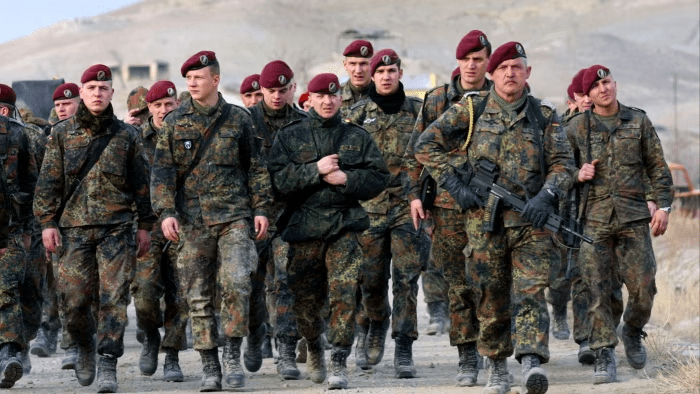
Russia could send “little green men” to test NATO’s resolve, German intelligence boss warns – Russia is determined to test the resolve of the NATO alliance, including by extending its confrontation with the West beyond the borders of Ukraine, the Germany’s foreign intelligence chief told the Table Media news organization.
Bruno Kahl, head of the Federal Intelligence Service, said his agency had clear intelligence indications that Russian officials believed the collective defence obligations enshrined in the NATO treaty no longer had practical force…
Without detailing the nature of his intelligence sources, Kahl said Russian officials were envisaging confrontations that fell short of a full military engagement that would test whether the U.S. would really live up to its mutual aid obligations under Article 5 of the North Atlantic Treaty.
“They don’t need to dispatch armies of tanks for that,” he said. “It’s enough to send little green men to Estonia to protect supposedly oppressed Russian minorities.”
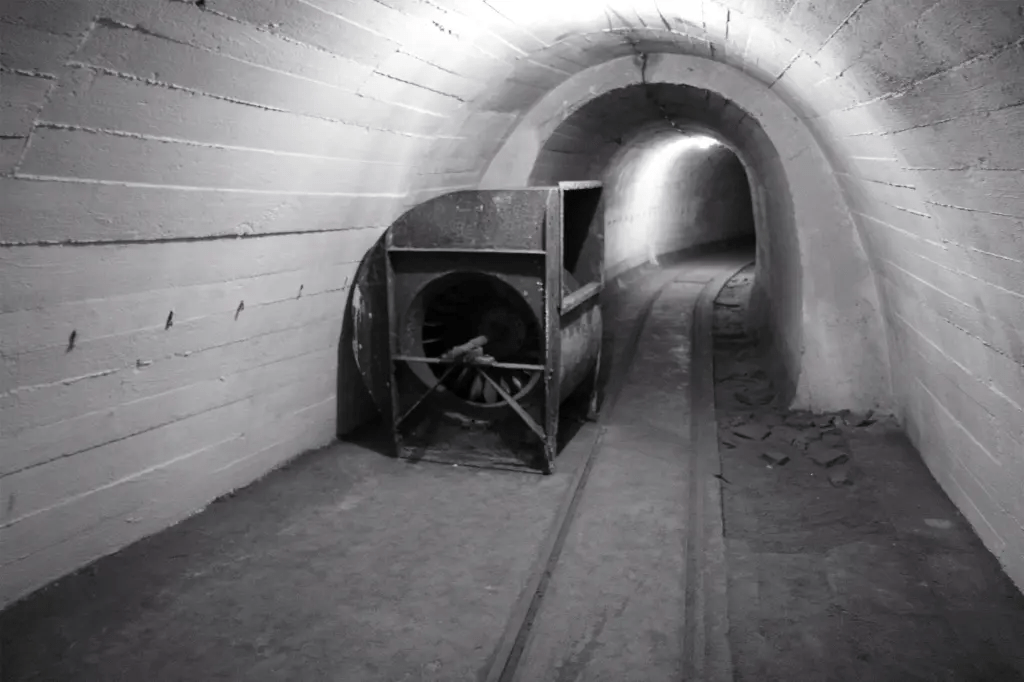
Germany plans to revamp shelter system in case of Russian attack as fears of a major war rise – Fearing Russia could attack another European country within the next four years, Germany is planning to expand its network of bomb-proof bunkers and shelters, according to reports.
“For a long time, there was a widespread belief in Germany that war was not a scenario for which we needed to prepare,” Ralph Tiesler, the head of the Federal Office of Civil Protection and Disaster Assistance, said in a recent interview as reported by The Guardian.
“That has changed,” Tiesler said. “We are concerned about the risk of a major war of aggression in Europe.”
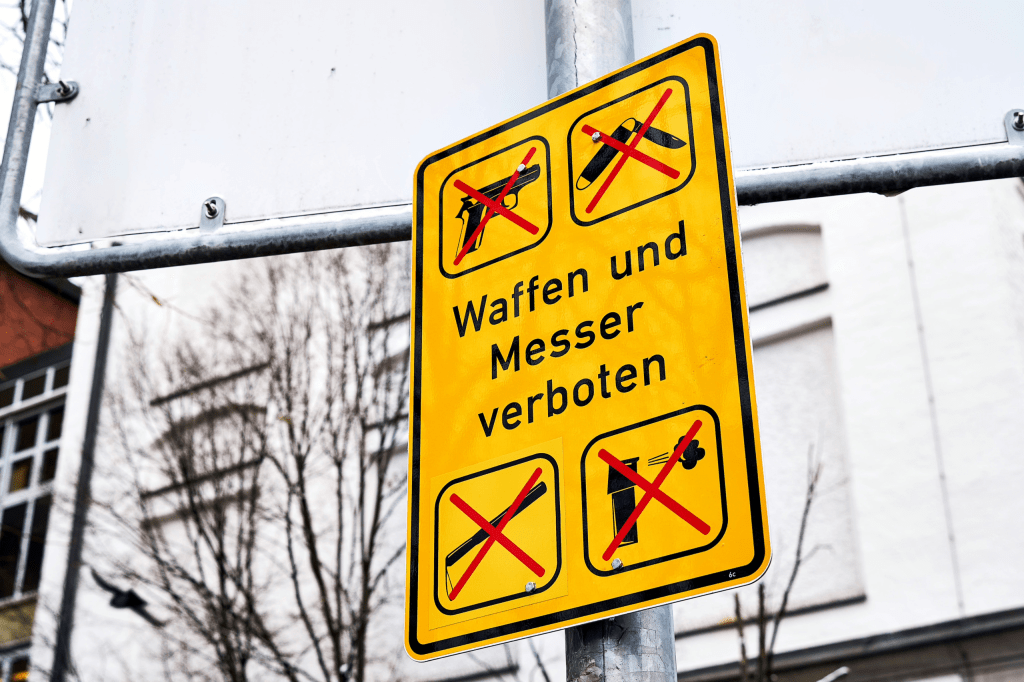
That means weapons and knives are forbidden (here).
Why didn’t anybody think of this before? Problem solved. At least “temporarily.”
Federal police declare temporary knife ban at major Berlin train stations – A temporary knife ban at major Berlin stations promises safety but raises questions about policing and public space.
Starting next week, Berlin’s central train stations will become no-knife zones, at least for part of the day. In an effort to curb rising violence, federal police are instituting a month-long weapons ban across twelve of the city’s busiest stations.
But at least it’s still movement. In the right direction.
Germany drops opposition to nuclear power in rapprochement with France – Paris wins approval from Berlin to remove anti-nuclear bias in EU legislation, say officials.
Germany has dropped its long-held opposition to nuclear power, in the first concrete sign of rapprochement with France by Berlin’s new government led by conservative Chancellor Friedrich Merz.
Berlin has signalled to Paris it will no longer block French efforts to ensure nuclear power is treated on par with renewable energy in EU legislation, according to French and German officials.
You know, the German Brothers Grimm kind. The kind Germans these days level for wind parks.
Plan for windfarm in German ‘fairytale forest’ stokes green energy culture war – Far right accused of misinformation over turbines at Reinhardswald, which has left local people divided.
Deep in the woods that inspired the Brothers Grimm, past the tower from which Rapunzel threw down her hair and the castle in which Sleeping Beauty slumbered, lies a construction site that the far right has declared a crime against national soil and identity.
In this quiet corner of Germany’s “fairytale forest”, workers are clearing land and building access roads to erect 18 wind turbines.