German of the day: 320 km/h

That means 199 mph.

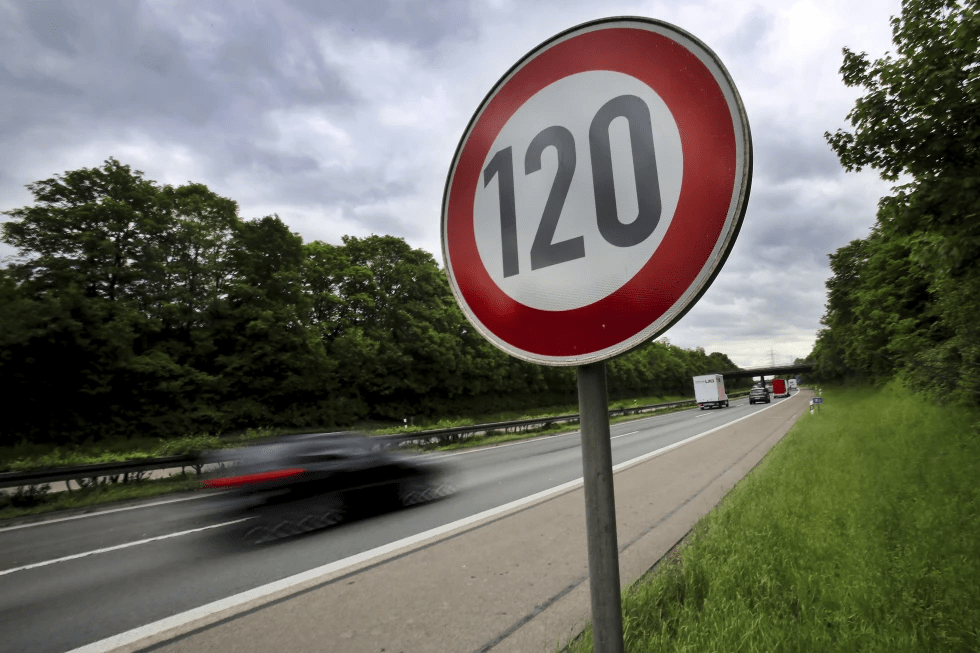
A speeding motorist driving at 199 mph on Germany’s Autobahn is fined more than $1,000 – A motorist was clocked driving at more than 320 kph (199 mph) on the Autobahn west of Berlin, a record high at more than 124 mph above the speed limit, German police said.

The speedster, who was not identified, was caught while racing along the A2 highway near Burg on July 28.

The driver was handed a fine of 900 euros ($1,043), stripped of two points from his driver’s license and banned from driving for three months, the Magdeburg police office said Tuesday.

German of the day: Inszenierung

That means staging, enactment, orchestration.

This Gaza photographer stages Hamas propaganda – Emaciated children, desperate mothers, and people begging for food with empty pots: these photos from Gaza circulate around the world. They are moving millions of people and influencing politics worldwide.

However, research by the Süddeutsche Zeitung newspaper now calls these images into question: Are some of the pictures from Gaza deliberately staged—and part of a propaganda strategy by Hamas terrorists?

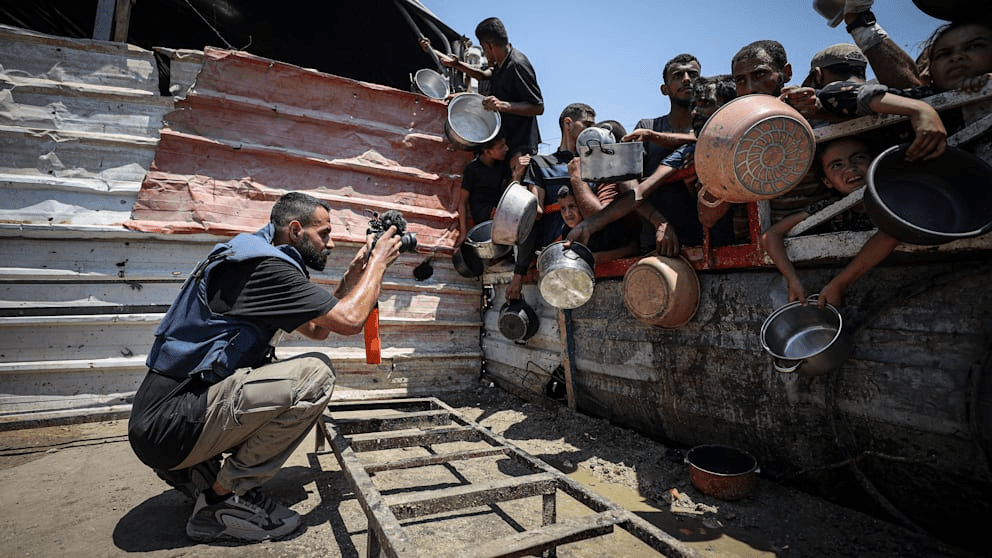
The hunger is (almost always) real – but the images are often not entirely so. For example, a widely circulated photo recently showed desperate people in front of a food distribution point on a truck. Opposite them: photographer Anas Zayed Fteiha, a freelance “journalist” working on behalf of the Turkish news agency Anadolu.

Possible problem: The scene, also captured by other photographers, shows mainly adult men waiting for food—and getting it.

German of the day: Anstieg

That means surge.

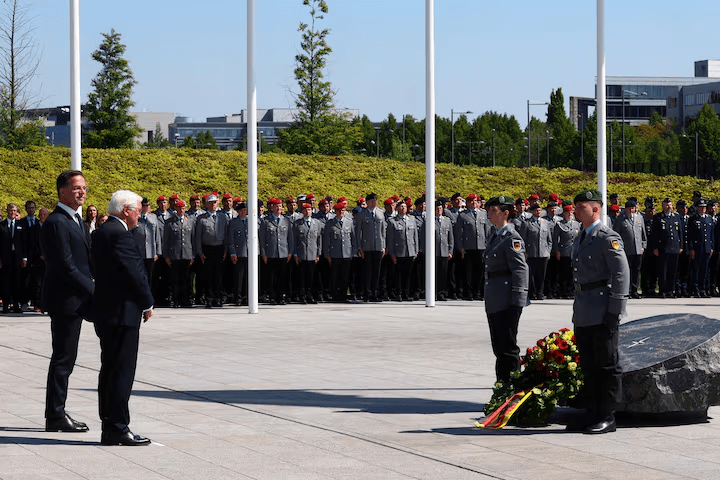
German armed forces see 28% surge in recruits in NATO defence boost – Germany’s armed forces reported a 28% surge in soldier recruits from January to late July, compared with the same period last year, bolstering plans to boost NATO defences in response to what it sees as an increased threat from Russia.

The Defence Ministry said on Thursday more than 13,700 people had joined the Bundeswehr – the army, air force, navy and other forces – in that period, in what it said was the steepest rise for years.

German of the day: Schattenwirtschaft

That means shadow or underground economy.

It’s a Volkssport (national pastime) here. Over-taxed Germans get even with the government any and every chance they get. See Schwarzarbeit.

German shadow economy booms amid high taxes and state aid – While Germany’s economy falters, the country is experiencing a rise in undeclared work. What role do taxes and generous state aid for the poor play in the surge?

German of the day: Klima-Disinformation

That means climate disinformation.

The consequences of green climate disinformation – Whether it’s heat, drought or global warming, the loudest warnings about climate change are preventing effective solutions…

The EU had proposed being able to buy three percent of its CO₂ reduction outside the continent from 2036, for example by planting forests in Africa… Green lobbyists, on the other hand, want all of this money to be spent on climate protection in this country (Germany). The case is exemplary: those who are particularly vehement in their warnings about climate change are opposed to pragmatic solutions.

German of the day: Trittbrettfahrer

That means freeloader.

Or free rider, if you prefer.

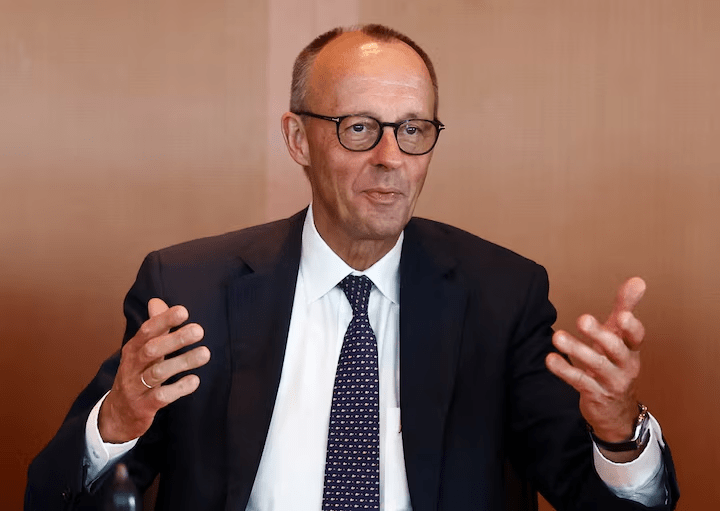
Germany’s Merz tells BBC Europe was free-riding on US – German Chancellor Friedrich Merz has accepted US accusations that Europe was doing too little to fund its own defence and security, but now believes they are on the same page.

“We know we have to do more on our own and we have been free-riders in the past,” he told the BBC’s Today Programme, “they’re asking us to do more and we are doing more.”

German of the day: Messerverbot

That means knife ban.

Now it looks like Germany needs an axe ban too.

Police say a man injured 4 with an axe on German train before he was detained – German police say a man attacked and slightly injured four people with an axe on a long-distance train in Bavaria before he was detained by police.

German of the day: Der Kartoffelkönig

That means the Potato King.

Turns out this guy was more of a spec-tater.

Generations of Germans believe Frederick the Great brought the beloved potato to Germany.

The legend is this: King Frederick II of Prussia wanted his subjects to eat potatoes, introduced to Europe in the 16th century from South America. But the people of Prussia, which later became part of a united Germany, wouldn’t touch the tuber.

So the 18th-century monarch resorted to trickery. He placed royal guards and soldiers along the edge of his palace garden — thus creating the illusion that potatoes were a rare and valuable crop reserved for the royal family and its aristocratic friends. But the guards withdrew from their posts each night, creating an opportunity for enterprising locals to sneak in and “steal” the spuds…

The unexciting truth is that the potato has been cultivated in Germany’s Bavarian region since 1647, Luh said. Frederick’s great-grandfather, Elector Frederick William, introduced it to the Brandenburg area of Prussia in the 1650s, but only because he liked the aesthetics of the plant’s leafy greens.

German of the day: Wahnhaft

That means delusional.

Merz ‘delusional’ over US sparing German cars in EU trade deal – Brussels has warned German chancellor not to expect UK-style carve-out for car sector in EU deal with Donald Trump.

Chancellor Friedrich Merz is “delusional” in his expectation that Germany’s car industry will be spared from US tariffs, according to EU officials involved in trade talks with the Trump administration.

Merz has been pressing the European Commission, which manages trade policy on behalf of the EU’s 27 member states, to sign a “framework” deal with Washington aping the US-UK agreement signed earlier this month, which included a special dispensation for cars.

But Brussels officials have privately told Berlin that such an arrangement would not be possible, as reducing German car imports is a big focus for US President Donald Trump, two people briefed on the discussions told the Financial Times.