That means to shrink.

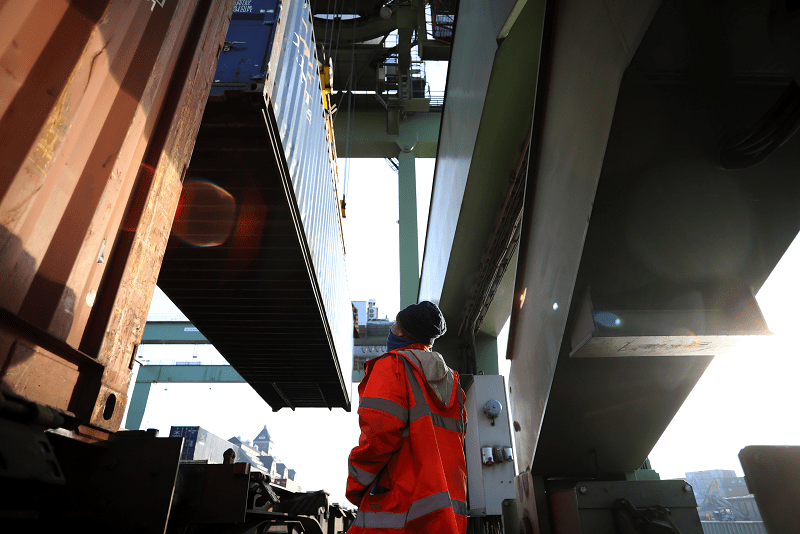
German Industrial Production Falls for First Time This Year – March measure falls 0.4%; economist est. 0.7% decrease.
Backup German of the day: Stagnieren. That means to stagnate.
That means to shrink.

German Industrial Production Falls for First Time This Year – March measure falls 0.4%; economist est. 0.7% decrease.
Backup German of the day: Stagnieren. That means to stagnate.
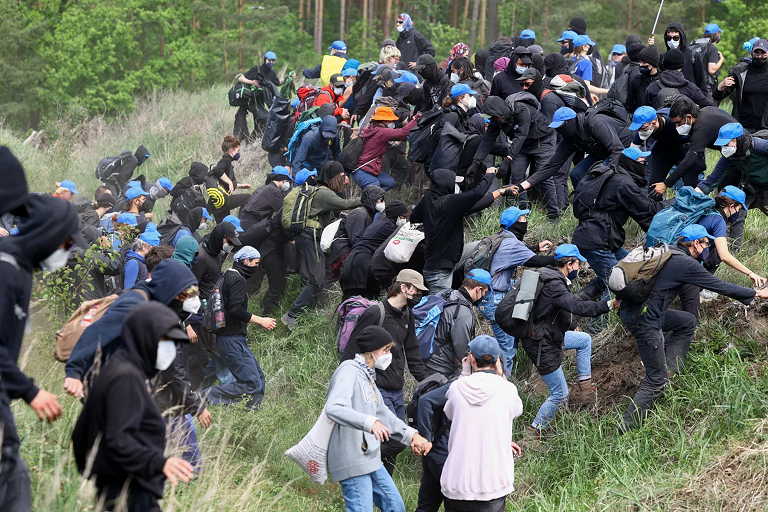
They didn’t do anything wrong.

Why can’t we just learn to live in peace?
Germany targets Indian students to address labor shortages – Germany looks to tap into international student talent to keep its engineering and IT sectors afloat.
Germany is grappling with a critical labor shortage and aging population, with projections indicating a deficit of seven million skilled workers by 2035.
With some 700,000 vacancies currently unfilled, Germany’s economic growth potential has dropped to about 0.7% now from around 2% in the 1980s, and is set to fall further to 0.5% if the country fails to resolve this problem, German Economy Minister Robert Habeck has said, stressing the importance of migration in bridging this widening gap.
Engaging Germany’s Indian student population in the workforce may be part of the solution.
Urged once again. Due to the urgency, I guess.

Well, I’m sure this urge will finally do the trick.
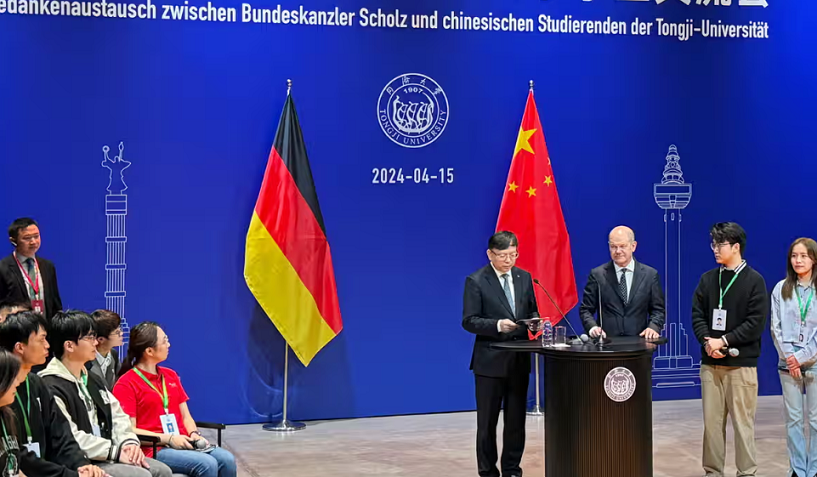
German chancellor urges Chinese industry bosses to play fair in EU market – Olaf Scholz says European cars should have equal access to Chinese customers.
“The only thing that always needs to be clear is that the competition is fair,” he said during a discussion with students at Tongji University in Shanghai. “That means there can be no dumping, no overproduction and that intellectual property rights are not violated,” he said.
Germany’s economy is doing just fine.

Germany’s economy is on shaky ground and glimmers of hope are few and far between – Good news has been sparse for the German economy. And the latest economic data has not done much to change this.
A few key 2023 data points, namely factory orders, exports and industrial production, were out last week and indicated a weak end to the year that saw questions about Germany being the “sick man of Europe” resurface.
But not as bad as “greatest real estate crisis since the financial crisis.”

The fun just never seems to end these days.
German bank alerts the market on exposure to commercial real estate – The troubles in the US commercial property market, which have already hit banks in New York and Japan, moved to Europe this week, elevating fears about broader contagion.
The latest victim was Germany’s Deutsche Pfandbriefbank AG, which saw its bonds slump on concern about its exposure to the sector. It responded by issuing an unscheduled statement Wednesday that it had increased provisions because of the “persistent weakness of the real estate markets.”
It described the current turmoil as the “greatest real estate crisis since the financial crisis.”
Into the brave new renewable energy future. The German government has announced it will spend €16 billion to build four major natural gas plants to meet the electricity demand their beloved renewable energy technology simply can’t meet.

A brilliant move, and long expected. Overdue, actually. You see, wind and solar power are so unreliable that you must always build a second “dirty” system (CO2 is a BAD “pollutant,” remember?) to back them up. This way you get to spend twice as much as you would have if you had only used the dirty system to begin with. Or, heavens forbid, if you had used nuclear energy to begin with (it doesn’t produce any CO2). This way, in other words, you can save the planet with one hand while you continue to pollute it with the other.
After scrapping nuclear reactors, Germany to spend billions on new gas power plants – The fossil fuel expansion is needed to ensure long-term energy security, according to industry and the government.
In a statement Monday, officials said the new strategy came “in addition to the consistent expansion of renewable energies,” and was key to ensuring steady power supplies “even in times where there is little sun and wind.”
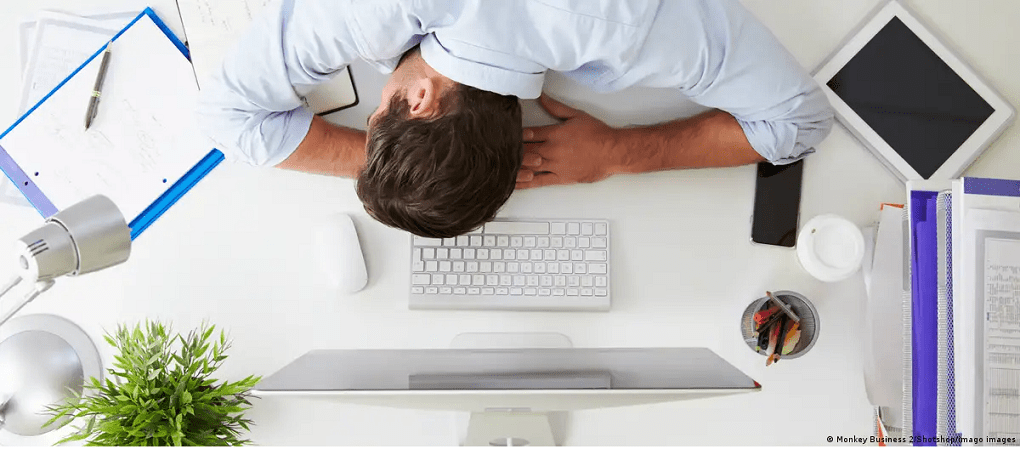
Without you not being here – about 20 sick days a year.

A study says that in 2023, 5.5 percent of German employees were absent every day due to illness. Sickness-related absences caused 26 billion euros of damage in 2023. Without them, Germany would not be in recession.
“At least for 2023, Germany will be the ‘sick man’ in the truest sense of the word, whose economic performance will be significantly more affected by the wave of illness than in other countries.”
That means shortfall, deficit, missing amount.

You know, like when a government can’t burn the money it wants to burn because it already turned it to ashes?
Shortfalls could challenge Germany’s generosity – Germany has been one of the biggest spenders in the world on everything from social welfare to foreign aid. But national income has fallen and Germany’s government is dealing with a budget shortfall.
You mean like the euro?

Or are you talking about the dollar?
Why are Germans hoarding billions of useless deutsche marks?
As everything seems to be getting more expensive through inflation, many Germans have a secret stash of cash at home. They’re holding on to their long-expired currency instead of exchanging it. What are they waiting for? …
Though these marks can no longer be used, they can be traded for euros.