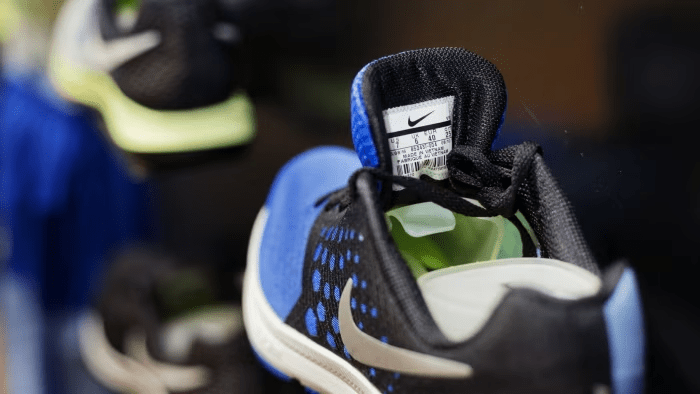
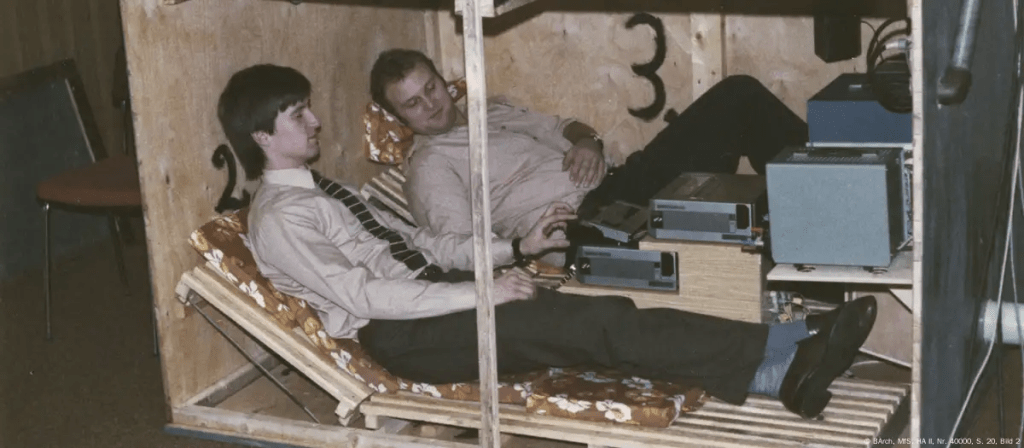
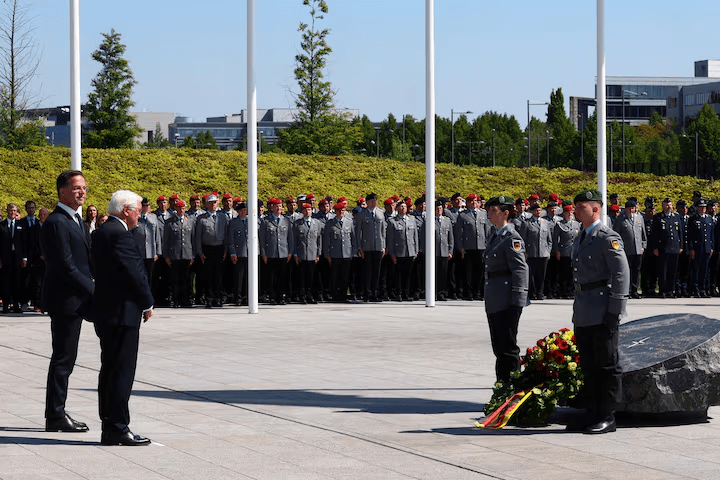
The highest healthcare and retirement costs, the highest energy costs, the highest regulation costs, then there’s the inflation, now the debt…
No, it’s a real mystery why Germans can’t afford to live on their wages anymore.
Why more Germans can’t afford life on their wages – German politicians are fond of saying, “Work must be worth it.” But ever more full-time workers need state benefits, and the new minimum wage hike is seen as disappointing.
Merz ‘delusional’ over US sparing German cars in EU trade deal – Brussels has warned German chancellor not to expect UK-style carve-out for car sector in EU deal with Donald Trump.
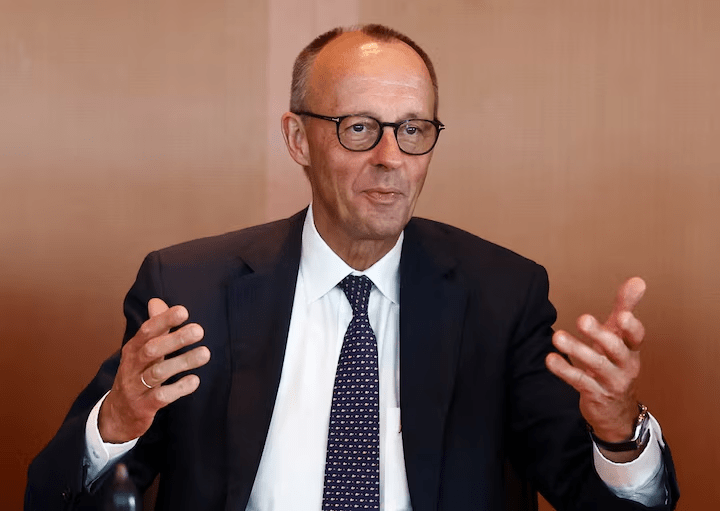
Chancellor Friedrich Merz is “delusional” in his expectation that Germany’s car industry will be spared from US tariffs, according to EU officials involved in trade talks with the Trump administration.
Merz has been pressing the European Commission, which manages trade policy on behalf of the EU’s 27 member states, to sign a “framework” deal with Washington aping the US-UK agreement signed earlier this month, which included a special dispensation for cars.
But Brussels officials have privately told Berlin that such an arrangement would not be possible, as reducing German car imports is a big focus for US President Donald Trump, two people briefed on the discussions told the Financial Times.
Germany updates: Berlin to end migrant rescue NGO funding – The German Foreign Ministry said it would no longer fund NGOs rescuing migrants in distress at sea. Meanwhile, police launched a nationwide operation targeting people suspected of inciting hate online.
Most Germans want Europe to have its own nuclear umbrella, poll finds – Nearly two-thirds of Germans support a European nuclear deterrent independent of the United States, according to a new poll released Monday, marking a dramatic shift in public opinion amid growing concerns about American commitment.
The survey found 64% of Germans back the concept of a European nuclear umbrella that doesn’t rely on Washington, with support spanning age groups, regions, and political parties — an unusual consensus in German policy debates.
Trump says Israel and Iran have negotiated ‘complete’ ceasefire – After the president announced the ceasefire would start in coming hours, Iran and Israel exchanged several waves of strikes…
Iranian state TV said that a ceasefire was coming into effect, which it described as a being “imposed on the enemy.”
Majority of Germans now hold negative view of Israel : Survey – Israel’s military actions in Gaza and regional aggression have dramatically shifted public opinion: 57% now hold a negative view of the country, while 37% consider Israel a major threat to world peace.
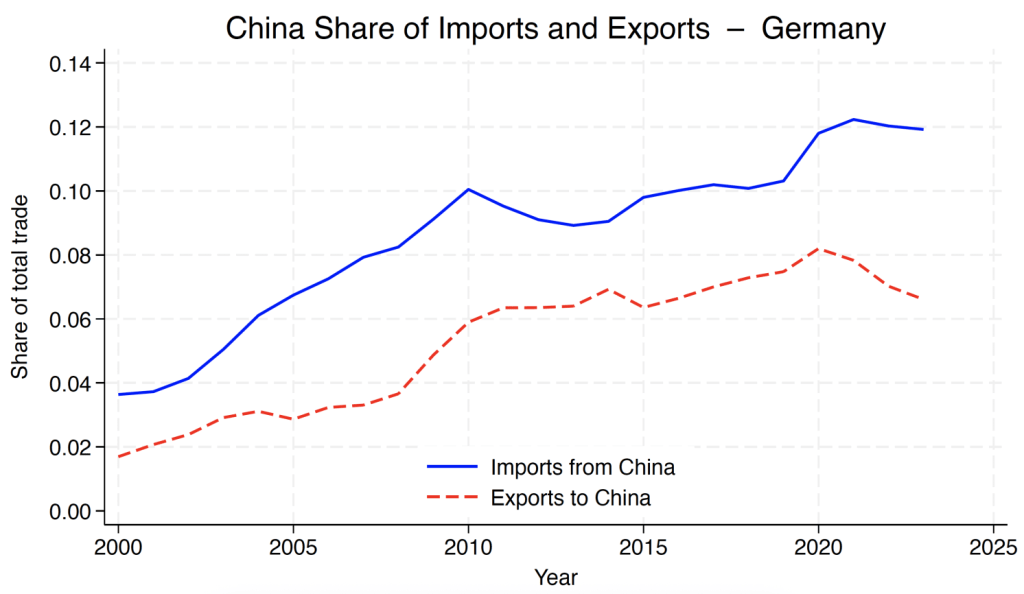
“On this point, Donald is right — there is a serious problem,” EU Commission President Ursula von der Leyen said, as she slammed Beijing for disrupting global trade with subsidies to boost its own companies – accusing the CCP of “weaponizing” its leading position in the production and refinement of raw materials used for cars, batteries and wind turbines.
She then encouraged Trump to join forces with US allies to address China’s trade imbalances, rather than punishing them with his own tariff scheme.
“When we focus our attention on tariffs between partners, it diverts our energy from the real challenge — one that threatens us all.”
Try putting a tarriff on this American export, Europe.
Rampaging raccoons: how the American mammals took over a German city – and are heading across Europe – Many in Kassel have embraced the animal but the EU classes it as an invasive species and ecologists are divided about what to do next.
In Kassel, everyone has a story about raccoons. Some struggle with a family of them that moved into their roof and simply will not leave. Others recount how a picnic in the park turned into an ambush as gangs of the black and white animals, known in Germany as Waschbären, raided the food. Almost everyone seems to have a neighbour who feeds them, to the annoyance of the entire street.
Prepared to defend: Why older Germans are opting for military service – Thomas Hüser did not serve his country in uniform and with a weapon in the early 1990s, but instead opted to work for a year as a care assistant for the elderly – as was his right under Germany’s laws on alternative military service.
However, since the Russian invasion of Ukraine in 2022, the 54-year-old had a major rethink on his earlier moral stance on taking up arms.
“In the face of global threats, serving in the armed forces is a question of solidarity. Only a strong military can protect us,” said Hüser, a communications expert and manager who runs a zinc smelter in the northern German state of Lower Saxony.