We Must Save The World But It Must Be Affordable

Cheap, in other words.

Germans everywhere are slowly waking up to the fact that their revolutionary switch to renewable energy sources is going to cost way too way much more than they ever thought they would ever have to pay – and the German government has now woken up to this.

That is why they have now begun a quiet backpedaling policy designed to prepare the German population for a slow turnaround from the energy turnaround that hasn’t even begun to turn around yet.

“For me it’s a priority that electricity remains affordable,” Germany’s new Environment Minister Peter Altmaier says, for instance.

He also says he doubts that Germany will be able to reach its goal of introducing one million electric cars by 2020.

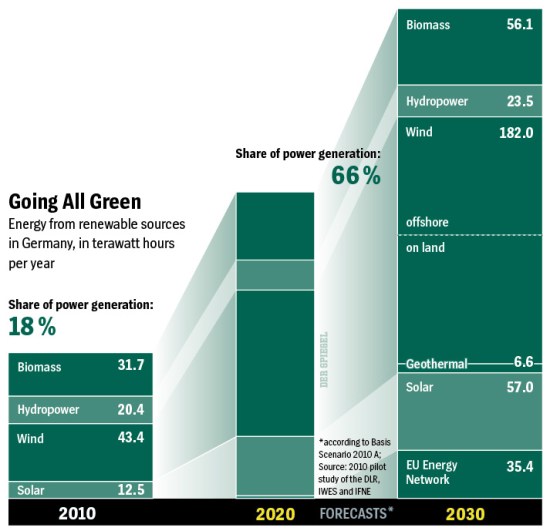
Nor does he think that Germany will be able to cut its energy consumption by 10 percent that year, a precondition for reaching the illusory goal of 35 percent renewables the government is still aiming for, sort of.

This is the German Environment Minister talking here, folks. So you get the message, don’t you? And if you don’t get it now, you’ll get it later.

Regierung fürchtet die Strompreis-Wut der Wähler

German Solar Energy Industry Tanks, German Tanks Don’t

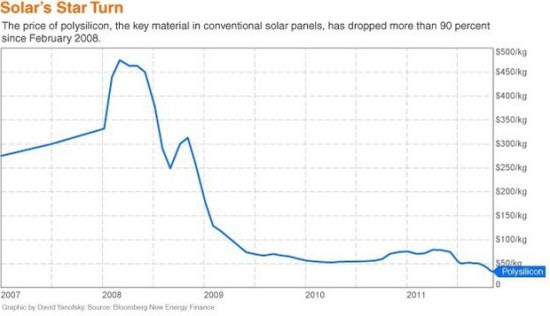
Unable to compete in the global market without the subsidy drug, state-ordained “energy turnaround” or not, Germany’s solar energy industry is getting eaten alive by cheap Chinese imports as we speak, so-to-speak.

“Ah, screw it,” German industrialists elsewhere in the country say to that. “We’ll just keep making a killing producing what we’ve always produced best: War technology. Tanks, Saudi Arabia!”

“But it’s not like we don’t continue to support the Arab Spring or anything,” another tankful German industrialist added ruefully.

German paper says Saudis want 600-800 tanks.

What’s 20 (30? 40?) Billion Euros These Days?

It’s peanuts, man. Renewable peanuts.

Damn. This gives power madness a whole new meaning.

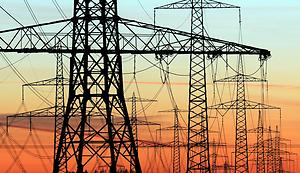
Germany mapped out a 20 billion euro ($25 billion) plan on Tuesday to expand its power grid and avoid a “power gap” as Europe’s largest economy switches away from nuclear to renewable energy.

Germany’s government, the federal energy network regulator and transmission grid firms unveiled joint plans for thousands of kilometres of new electricity lines to 2022, to help distribute volatile renewable energy.

Operators say some 3,800 kilometers of new power lines needed through 2022.

Energy Revolution Not Taking Place Quite Yet

German energy turnaround revolutionaries everywhere are turning around more than usual these days, burning more energy than planned trying to answer all the dumb questions those dumb energy reactionaries are always asking them.

Dumb questions like:
How come the energy turnaround isn’t making any progress?
How come the taxpayers continue to foot the bill?
How come all these renewable energy companies are going broke now that the subsidies are being cut?
How come made in Germany renewable energy technology is now being made in China these days (and German subsidies are actually helping the Chinese)?
How come Germany isn’t in the position to create the power-transmission lines needed to connect these new energy sources to the German power grid?
How come the energy-storage facilities needed for these new technologies are so extremely expensive and, well, just aren’t being built?
How was that again? How come Germany is in the process of turning off all its nuclear power plants?
How come the construction of dozens of new coal-burning power plants will therefore be necessary?

And how could ideology get the upper hand on reality (yet again) in a nation full of such sober, experienced thinkers?

And on and on and on these dumb questioners go. These reactionary types just don’t get it, you see. They don’t have visions like us revolutionary folks do. And they don’t hear the voices, either.

Germany Stalled on the Expressway to a Green Future

State Subsidies In Action

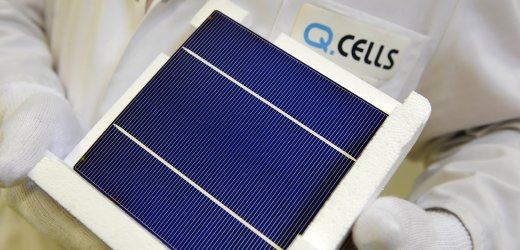
This would be funny if wasn’t so funny. Where do we want to go broke today? Q-Cells is now the fourth major bankruptcy in the German solar industry sector of late and although they are sure to have made a lot of dumb mistakes themselves, they certainly couldn’t have gone bankrupt “this well” without the German government’s relentless and merciless help.

It’s all about drugs, subsidy drugs. And once these subsidy drugs had been administered – in this case promoting wonderful and environmentally friendly solar technology for the good of all German-kind (in a country where sunshine is still a news item) – most of these companies failed to wean themselves from their reliance upon them and made some bad business decisions as a result (decisions they wouldn’t have made if they had been clean).

In the meantime, Asian competitors in the real world learned to produce the solar technology cheaper (as usual) and, just to add a little insult to injury here, it turns out that the German government helped the Chinese solar industry with financial aid , too. Only they did this better than they did in Germany.

Then Berlin finally got tired of shelling out all this money back home and started reducing the dosage faster than the addicts could adapt to and, well,  the rest is history, or Geschichte, if you prefer.

So what’s the moral of the story? Remember those nine most terrifying words in the English language: “We’re from the government and we’re here to help.”

Somehow the German government must have lost sight of the fact that its policy in fact encourages the demise of Germany’s own solar industry. The development bank of the government-owned KfW group of banks supports China’s green industry with low-interest loans. Ironically, the German Investment and Development Company (DEG), also a subsidiary of KfW, is one of the financial backers of Chinese industry giant Yingli Solar.

Germany’s Energy Turnaround Rocks

They never promised you a rose garden (actually, they did). It looks like Germany’s Energiewende (the energy turnaround = shutting down nuclear power and waiting for solar and wind energy to pick up slack) is going to have its price, too.

And it looks likes the first installment will by about a seven percent increase in energy costs for private housholds. But Germans pay these increases gladly, I think. At least for now (seven percent is just the start, of course). It’s back to the future. It’s for the common good. Or it’s for saving the planet or something.

Uh, like why don’t they just have “the state” pay for it. Oh, that’s right. They already are (the taxpayers are, that is).

Stromtrassen, Umschlagwerke oder intelligente Stromzähler kosten den Staat Milliarden. Draufzahlen muss am Ende oft der Verbraucher – offenbar bis zu sieben Prozent in den kommenden Jahren.

Cut The Loses And Run

The German government is about to cut solar subsidies by 30%.

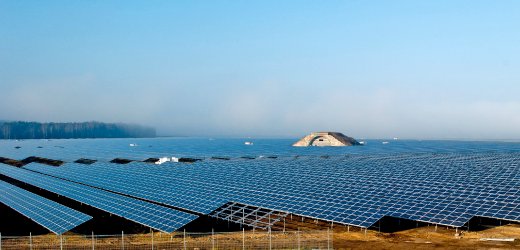
Despite the massive investment, solar power accounts for only about 0.3% of Germany’s total energy. This is one of the key reasons why Germans now pay the second-highest price for electricity in the developed world (exceeded only by Denmark, which aims to be the “world wind-energy champion”).

According to Der Spiegel, even members of Chancellor Angela Merkel’s staff are now describing the policy as a massive money pit. Philipp Rösler, Germany’s Minister of Economics and Technology, has called the spiralling solar subsidies a “threat to the economy.”

The Three Percent Solution?

Three percent. That’s how much solar energy contributes to Germany’s overall energy mix (now don’t go be a jerk and break it to the Germans that the sun doesn’t shine very much here).

But that doesn’t really matter because, jeepers, that measly three percent only costs consumers half of the total 17 billion euros they have to shell out for renewable energy here.

It’s the principle of the matter, you see. If the Germans left this solar energy stuff up to the free market (that means no subsidies), then solar power’s contribution would be even lower than three percent – at none of the cost – and just think about how ridiculous they would look then.

And (even) the Spiegel says: Solar Subsidy Sinkhole

Too Much Sun, Son

Now if we could only learn to harness the power of falling solar energy company stocks…

Solar Millennium AG plunged by a record in Frankfurt trading after becoming the second publicly traded German solar company to file for insolvency.

Let’s face it, people: The sun and Germany just don’t mix.

Solar Millennium war ein grüner Börsenstar. Beim Solarkraftwerk-Hersteller klang immer alles nach Weltrettung, ständig ging es um die Zukunft der Menschheit. Seit Donnerstag ist das Unternehmen pleite und es wird klar: Viele hundert Millionen Euro sind weg. Es droht einer der größten Anlageskandale der Geschichte. 

German Solar Energy Firms Still Waiting For Sun

And it’s November now, too. Ever spent a November in Germany?

The once “model company” Roth & Rau is the latest victim of… Was eigentlich (of what)?

“Solar companies have relied on tax credits or other forms of subsidy for their customers to buy and install the product.” These subsidies are now drying up in Germany. Hmm. Might there be a connection here?

“The logic was that as the price of oil goes up it generally benefits the oil companies but also creates more perceived need for solar products. When oil prices went down it generally hurt oil companies but created less urgency for solar products.” Well, that dynamic doesn’t seem to apply anymore.

Maybe this will all change again once the sun comes out. And once most of the solar energy companies out there have gone the way of the dinosaur.

Die Solarbranche steckt in einer schweren Krise: Die Nachfrage ist nach Förderkürzungen in mehreren wichtigen Märkten wie Deutschland und Italien eingebrochen. Gleichzeitig steigt das Angebot, weil vor allem in Asien etliche neue Fabriken eröffnet wurden.