But it’s just a consideration for now.
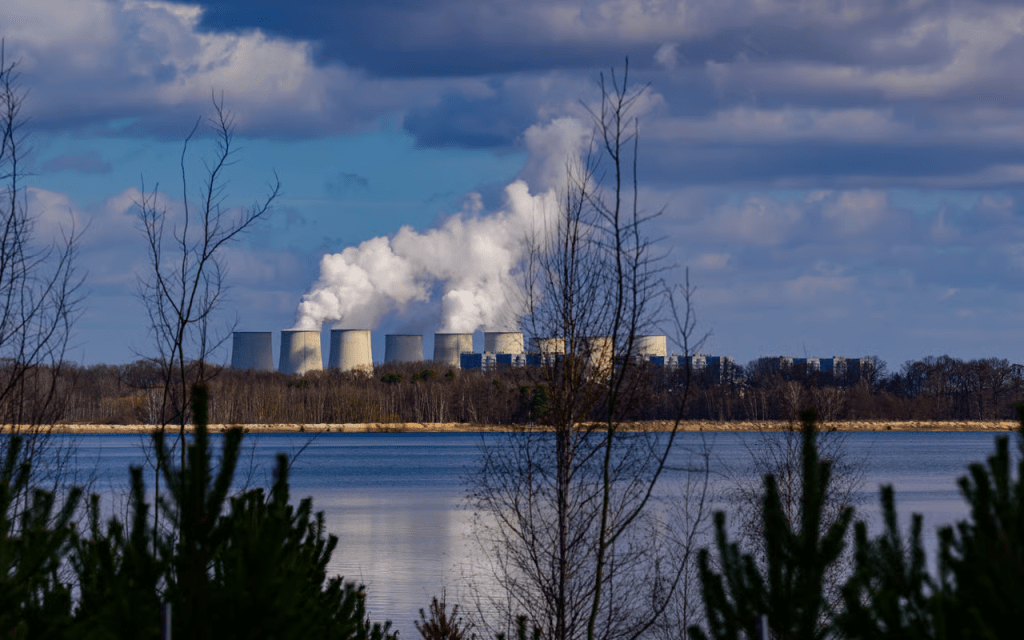
Germany considers ramping up coal power to avert energy crisis – Increasing use of the dirtiest fossil fuel would likely increase the country’s CO2 emissions.
But it’s just a consideration for now.
Germany considers ramping up coal power to avert energy crisis – Increasing use of the dirtiest fossil fuel would likely increase the country’s CO2 emissions.
That means speed limit.
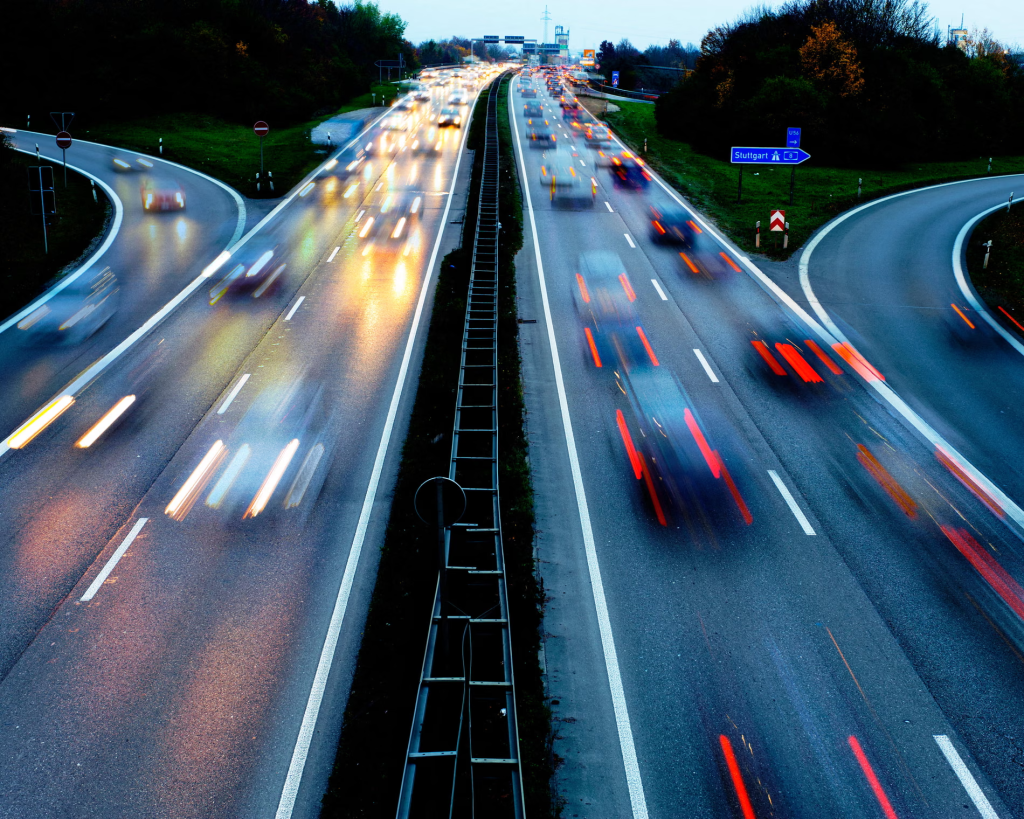
And that ain’t never gonna happen in Germany. Think banning guns in the USA.
‘Tempolimit? Nein, danke!’: why German petrolheads won’t slow down – despite the energy crisis – Driving fast is in ‘the German DNA’, say lovers of the speed-limit free Autobahn, but support in the country for a restriction is growing.
And that’s saying a lot.

Energy bottleneck in Middle East is damaging German economy – Expensive energy, rising prices and disrupted supply chains are all bad news for economic growth. The German government is alarmed by events in the Middle East.
When the US and Israel attacked Iran, the response was not long in coming. Iran is no longer allowing ships to pass through its coastal waters. The Strait of Hormuz, the bottleneck in the Persian Gulf through which 20% of the global oil trade passes every day, is now effectively blocked.
After the attack, the price of oil immediately rose sharply. Prices for gasoline and diesel also skyrocketed at German gas stations. Depending on the region, premium gasoline even went as high €2.50 ($2.89) per liter. The average price for diesel is currently just over €2, which is €0.30 higher than before the attack on Iran.
The Iran conflict is ruining German vacation plans!

Call in the Germany military – to get German vactioners out.
Iran war: Tens of thousands of German travelers stranded – German tour operators say at least 30,000 customers have been left without travel options after thousands of flights were canceled across the Middle East because of the US-Israel war with Iran.
Tens of thousands of people on trips organized by German travel agencies have been affected by US-Israel war with Iran, a leading trade group said on Monday.
Figures from the German Travel Association suggest that some 30,000 tourists are unable to fly home amid the hostilities, which have prompted several countries in the region to close their airspace, while many airlines have put flights into and out of the crisis area on hold.
German flagship carrier Lufthansa is among those airlines. The company said that airspace over Israel, Iran, Lebanon, Jordan, Iraq, Qatar, Kuwait, Bahrain and the Saudi airport of Dammam will not be used by Lufthansa and its subsidiaries until at least March 8. United Arab Emirates airspace will be avoided until March 4.
Two-thirds of them don’t welcome killer robots.
They’re stuck in the past, man.
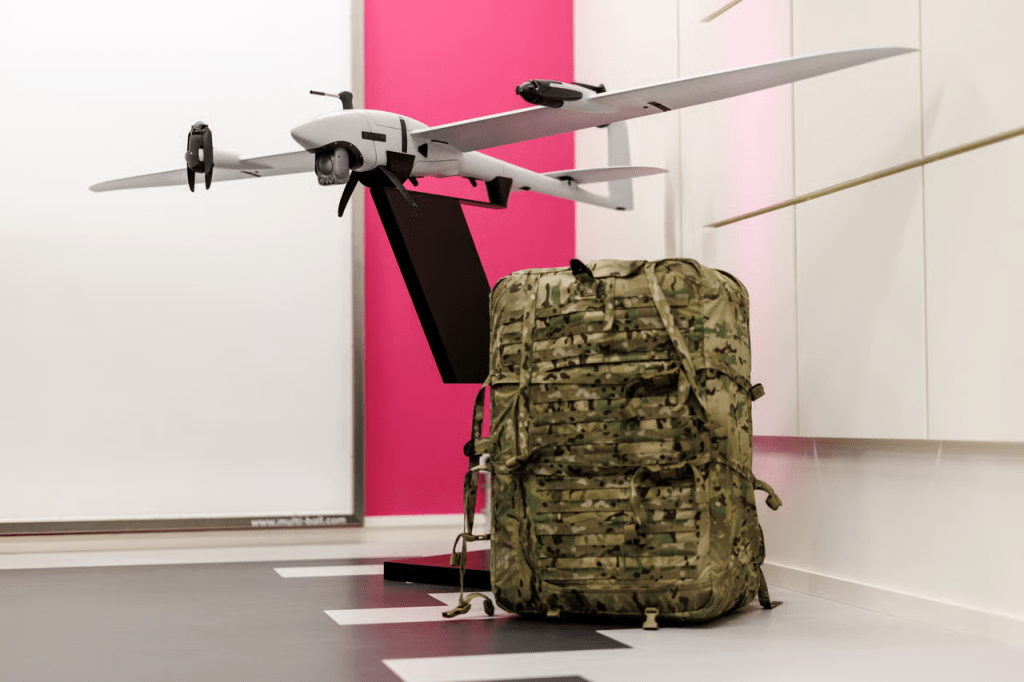
One in three Germans welcome killer robots, new poll says – AI-enabled technologies like drones are transforming warfare but face criticism from rights groups.
Call it “bots on the ground.”
One in three Germans think their country should allow artificial intelligence to make life-or-death decisions on the battle field, according to The POLITICO Poll.
A third of respondents in Germany said they favor AI systems to be used in weapons in place of human decision makers, even if these systems are less transparent, the poll showed.
Then there are fireworks.
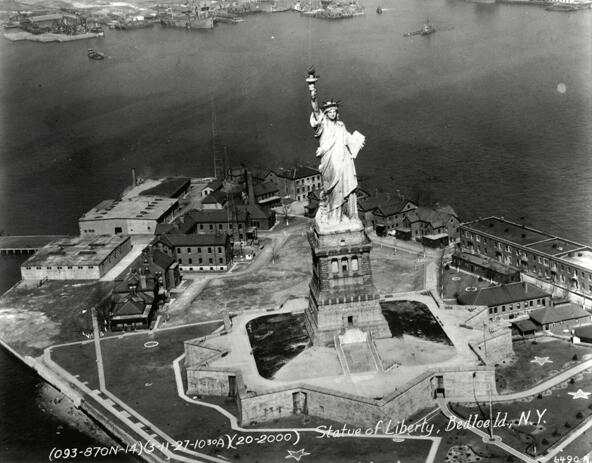
German Spies Detonated 2 Million Pounds of Explosives in New York Harbor in 1916: The Statue of Liberty’s Torch Has Been Closed Ever Since – Just after 2 a.m. on July 30, 1916, a freight car loaded with TNT exploded at a munitions depot on Black Tom Island in New York Harbor. The blast registered as a 5.5 magnitude earthquake and was felt 90 miles away in Philadelphia. Windows shattered from Times Square to Brooklyn. The Statue of Liberty took shrapnel damage. Firefighters were blown out of their boots.
That means Russian assets (frozen assets).
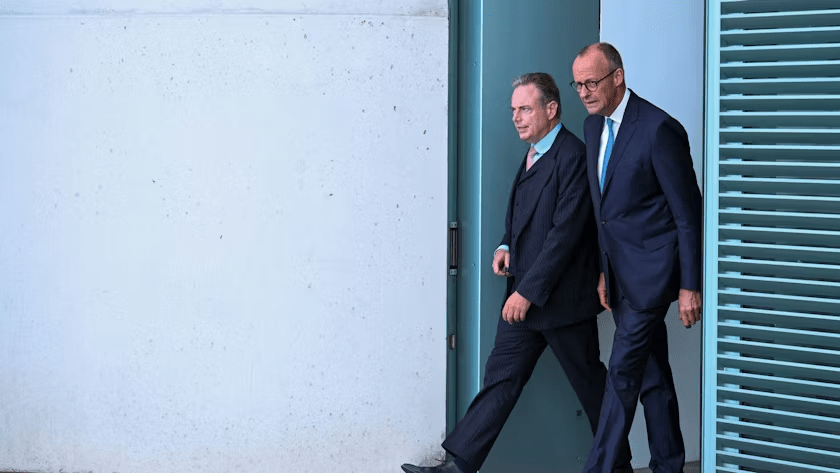
Merz also wants to use Russian assets in Germany.
Brilliant move, Germany. The Russians won’t notice and there won’t be any retaliation.
Can Russia’s assets frozen in the EU be used for Ukraine? Negotiations on this issue are gaining momentum. Germany is also making concessions.
Step 2, Page 2: No. A real army.

Germany Has Drawn Up a 1,200-page War Plan for a Russian Attack – Germany has quietly produced a 1,200-page Operational Plan for Germany that assumes a large-scale war with Russia and treats time as the key variable.
Drawn up at Julius Leber Barracks, the plan details how up to 800,000 German, U.S. and other NATO troops would flow east via ports, rivers, rail and roads—and how they’d be supplied and protected en route.
Rather than just counting tanks and troops, Berlin is betting on logistics and an “all-of-society” approach, from infrastructure to cyber. With Russian sabotage and probing already mounting, officials see a genuine race against time to be ready.
Forget that one, right? Get a job with a German armaments firm instead.

That’s the only industry booming over here at the moment.
German Shipbuilder TKMS Reports Rise in Sales, Earnings Fueled by Europe’s Defense Spending – Results are first since spinning off from Thyssenkrupp and its Frankfurt IPO.
“One that actually works, maybe. But not this one.”

‘I don’t want to be part of this war machine’: Young Germans protest against military service plans – Young people have taken to the streets of Berlin to protest against the German parliament’s decision to introduce voluntary military service to boost national defences after Russia’s full-scale invasion of Ukraine.
The change means that all 18-year-olds in Germany will be sent a questionnaire from January 2026 asking if they are interested and willing to join the armed forces.
 Observing Hermann