I say Kartoffel.

Let’s call the whole thing off.
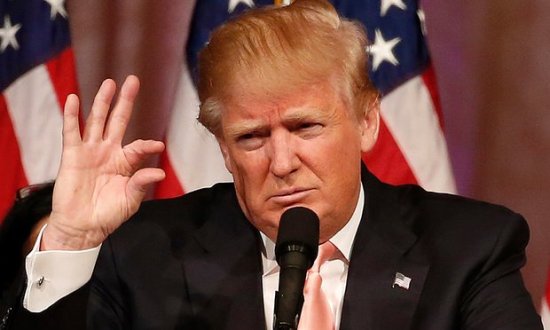
“I can be the most presidential person ever.” But… “Always be more than you appear and never appear to be more than you are.”
I say Kartoffel.
Let’s call the whole thing off.
“I can be the most presidential person ever.” But… “Always be more than you appear and never appear to be more than you are.”
Its tourism sector taking a real battering this year for some inexplicable reason, Turkish authorities are now attempting to lure German tourists to Turkey by calling them Nazis.

“Please come visit our beautiful country, you Nazi swine,” a representative of President Recep Tayyip Erdogan said yesterday in Berlin. “You are the infidel scum of the earth worthy to be put to a horrible death by slow roasting and will enjoy to the fullest our fascinating culture, stunning beaches and helpful, friendly personnel, all at an unbeatable low price.”
At the ITB fair in Berlin, 132 Turkish companies under the auspices of the Turkish Culture and Tourism Ministry will have the chance to promote the campaign.
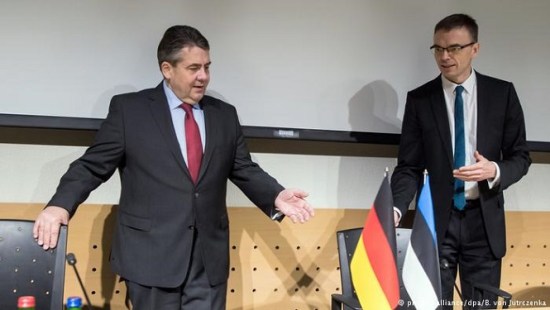
Concerned about possibly turning Germany into a military superpower again by raising its defense spending from 1.3 to 2 percent of its gross domestic product (as agreed to by Germany many years ago in NATO), Germany’s foreign minister Sigmar Gabriel (SPD) says that this could cause angst elsewhere in Europe, and most certainly at the German ministry of finance, and therefore maybe ought to be put off for an other 10 to 15 years or so. Or maybe longer. It all depends.
Angst is a terrible thing, people. And so is Verarschung (being bullshited). But angst is worse, I guess.
“Für Deutschland unrealistisch.”
Beautiful German weapon sale of the week.

Because somebody has to admire them.
Israel’s state attorney has ordered the opening of a criminal investigation into an arms deal with a German company involving members of Prime Minister Benjamin Netanyahu’s entourage, the justice ministry said on Monday.
That rolls right off your tongue, doesn’t it?

GM gets rescued by the American government (government is a code word for taxpayer, by the way), Opel gets rescued by the German government and Peugeot gets rescued by the French government. Is there a pattern developing here or something? Now GM is going to rescue itself out of Europe and dump its Opel on Peugeot, making it a Peugeopel. But who the hell would want to rescue one of those?
General Motors is in advanced talks to sell its European Opel subsidiary to France’s PSA Peugeot Citroen, Handelsblatt confirmed after Reuters broke the story. A Peugeot spokesperson told Handelsblatt that the two are in discussions “over the purchase of Opel.” A deal “could be announced within days,” sources told Reuters.
Seit Jahren versucht General Motors vergeblich, seine Marke Opel zu sanieren. Nun steht offenbar ein Verkauf an den französischen Konkurrenten Peugeot an.
Only one of Germany’s eight way-over-budget Airbus A400M military transport planes is working at the moment, if working is the proper word for a military transport plane that will never actually be used anywhere anyway. Jeepers. That’s like, I dunno, less than half or something.
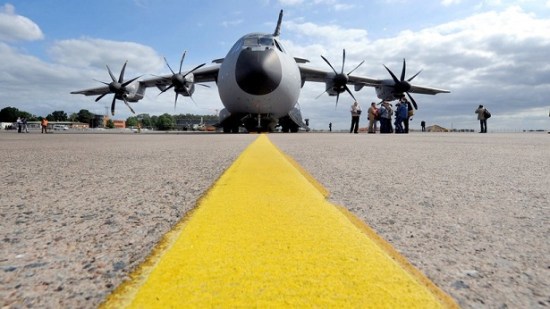
Germany’s defense minister Ursula von der Leyen apparently discovered this problem single handedly after the A400M she had taken for a visit to Lithuania broke down there.
Meanwhile… Countless aircraft belonging to German Billigflieger (budget airlines) loaded with countless tons of German tourists don’t seem to be having any technical problems whatsoever. Their number will be increasing dramatically this summer. You just got to set your priorities right these days, I guess.
Zum Sommer wächst das Angebot der Billigflieger an deutschen Flughäfen kräftig.
435,000 bottles of beer.

Expensive bottles of imported beer. No, make that deported beer.
“We carried over 435,000 cases into the new year and we want to have dealt with those this spring.”
“If there is virtually no prospect for a migrant to stay here, it makes sense to push for an early repatriation and to encourage that financially.”
Grossly overvalued? The main thing is, gross.
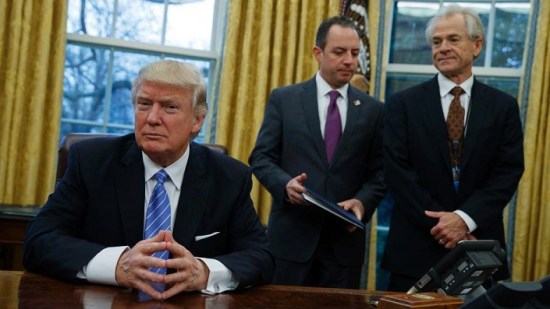
When it comes to the advantage that Germany has taken of the euro, Navarro is right about effect, if not motive.
The euro has been bad for German democracy and for German savers and may well ultimately prove to be a disaster for its taxpayers too, but it has been a boon for the country’s exporters. The euro is far weaker than the Deutsche Mark would have been (as was always likely to have been the case). This means that Germany’s decision to abandon its old currency in favor of the euro has acted as a disguised devaluation, a devaluation that has only deepened as the structural imbalances within the common currency have dragged the euro down still further.
Navarro sagte der “Financial Times”, Deutschland profitiere in seinen Handelsbeziehungen von einer “extrem unterbewerteten ‘impliziten Deutschen Mark'”.
We Germans don’t care that “Germany isn’t an ideal place for solar and wind power.” We’re green. And we’re going to stay green and pay green (one of the highest electricity rates in the developed world) until we’re green in the face.

Once, German utilities like E.on and RWE had a sound business model that produced cheap energy from nuclear factories. That’s how the two companies could be kind to investors, workers, and taxpayers…
Then the green revolution caught up with the utility sector, as German government decided to abandon nuclear for green energy. “In the aftermath of the Fukushima catastrophe, the German government (Angela Merkel) has resorted to an overhasted exit from nuclear energy until 2022,” explains investment analyst Martin Burdenski. “This decision was in stark contrast to a lifetime extension of existing nuclear plants in 2010…”
“The companies will now receive compensation for investments made between the lifetime extension in fall 2010 and the abandonment of nuclear energy in 2011.”
You say you want a revolution? Then GEZ out on the street and do something about it, people. “Public” TV? Sure. As long as the public has a choice about being forced to finance it or not.
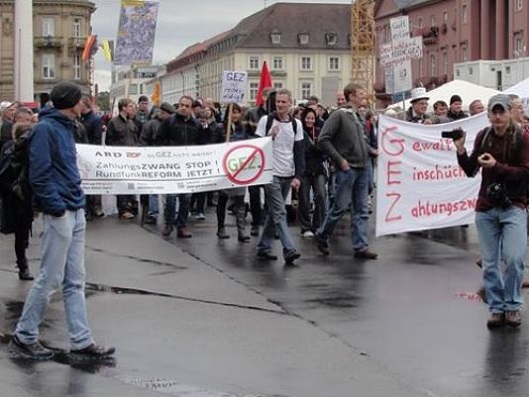
Since the 1970s, every German household with a television or radio has paid a monthly fee, called the GEZ, to finance public TV and Deutschlandradio, the national public radio network.
But in 2013, the government began to require every household and business to pay the approximately $20 monthly fee even if they don’t own a TV or radio…
In a sign of growing resistance, Beitragsservice issued more than 25 million warnings to households last year for not paying the fee, a 20% increase over 2014, according to its latest figures.
480 Millionen Euro nur fürs Personal: Das plant das ZDF mit Ihren GEZ-Gebühren.
 Observing Hermann