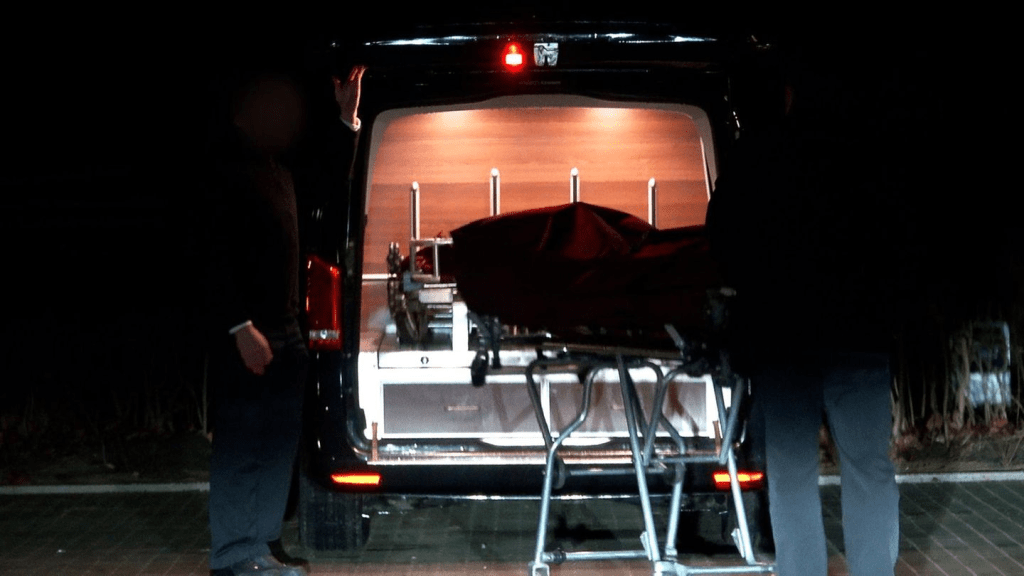
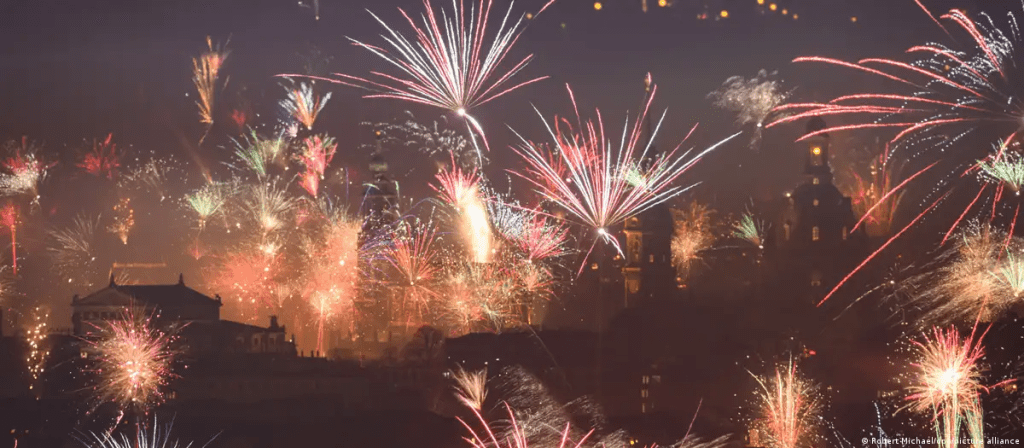
Pyrotechnics, fire, and violence: Eleven people die on New Year’s Eve – Fires, fireworks, traffic accidents, and violence claimed the lives of at least eleven people in Germany on New Year’s Eve. The sad toll of the turn of the year.
Almost half of all Germans want a ban on fireworks – In Germany, it is only permitted to sell fireworks in the three days leading up to New Year’s Eve. Some line up early to buy them, but others have safety concerns and want to see them banned altogether.
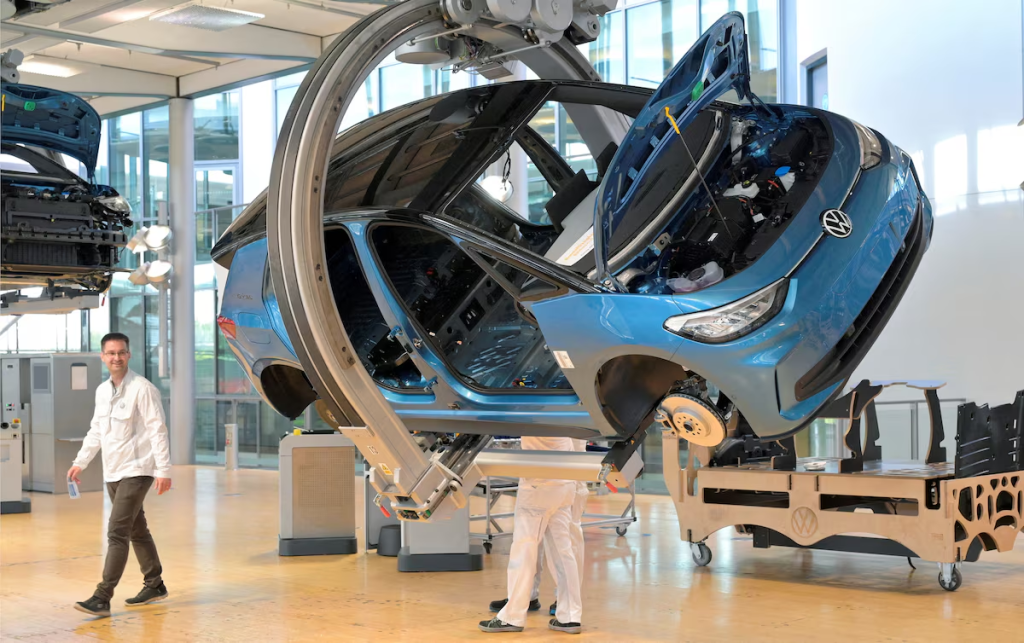
German business groups expect job cuts in 2026 as economic crisis drags on – A majority of German business associations expect job cuts in 2026 as the country’s economic crisis persists, with industry hit hardest by global protectionism and weak exports, a survey by the German Economic Institute IW showed on Monday.
Of 46 business associations surveyed, 22 anticipate workforce reductions next year. Only nine expect to increase hiring and 15 foresee stable employment levels.
Recruiting for Germany’s Secret Police – Like almost any other country – the Russian Tsar’s Okhrana (later: NKVD and now: FSB), Iran’s feared SAVAK, Pinochet’s torturing DINA, South Africa’s BOSS and NIS, Franco’s BSI, Mussolini’s OVRA, and Hoover’s FBI – Germany too has a secret police that today is no longer called Gestapo or Stasi. Yet Germany’s agency is distinctively different from, for example, France’s DGSI.
Deceptively labelled the Federal Office for the Protection of the Constitution (Bundesamt für Verfassungsschutz, or BfV), it spies on people. It operates in the shadows, in secret and by stealth. Being unnoticed and silent is of the essence.
Or maybe even Raubtierkapitalismus (predatory capitalism)! Or something else like that.
People really are confused these days, don’t you think? Not that they weren’t in the past. I just think they’re better at it now. Being confused.
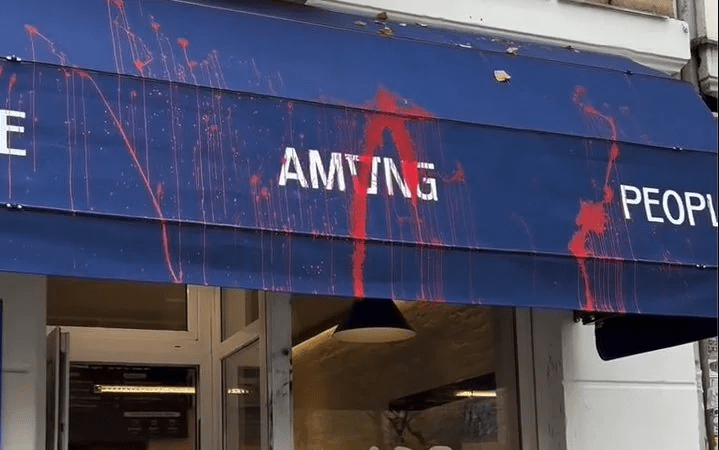
Berlin’s budget chain cafes attacked by mobs of hard-Left activists – Protesters in Berlin are hurling red paint at outlets for a new chain that offers drinks at nearly half the price of others.
It is at night that the group of angry Berliners hurl red paint at the coffee shop front, scrawling “Boycott LAP” on the walls.
It just wants to tell you what not to think. It suppresses American viewpoints, in other words.
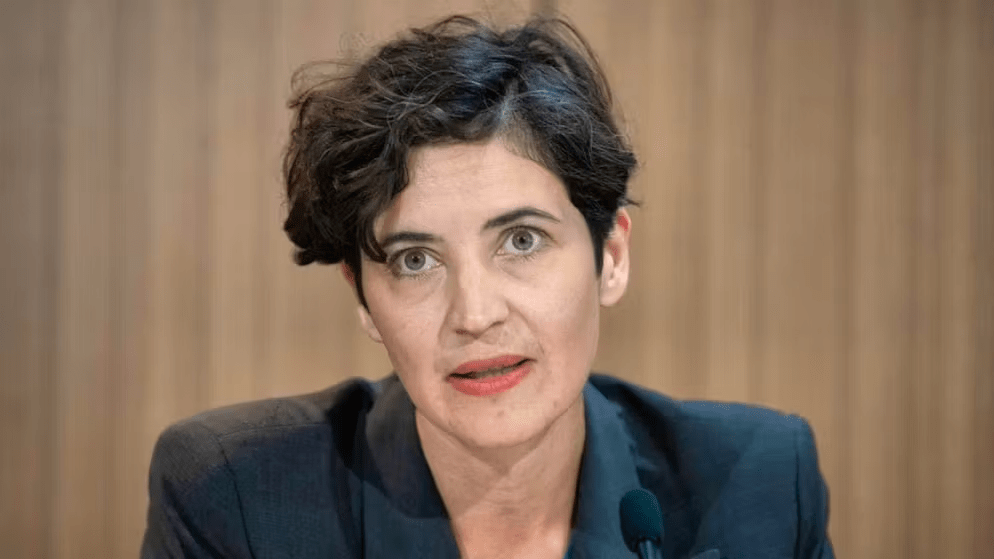
USA sanctions leadership of German organization HateAid – The entry ban imposed by the US government due to alleged censorship of American online platforms also affects the directors of the German organization HateAid, which is committed to combating hate online.
“For far too long, ideologues in Europe have led organized efforts to force American platforms to punish American viewpoints that do not suit them.”
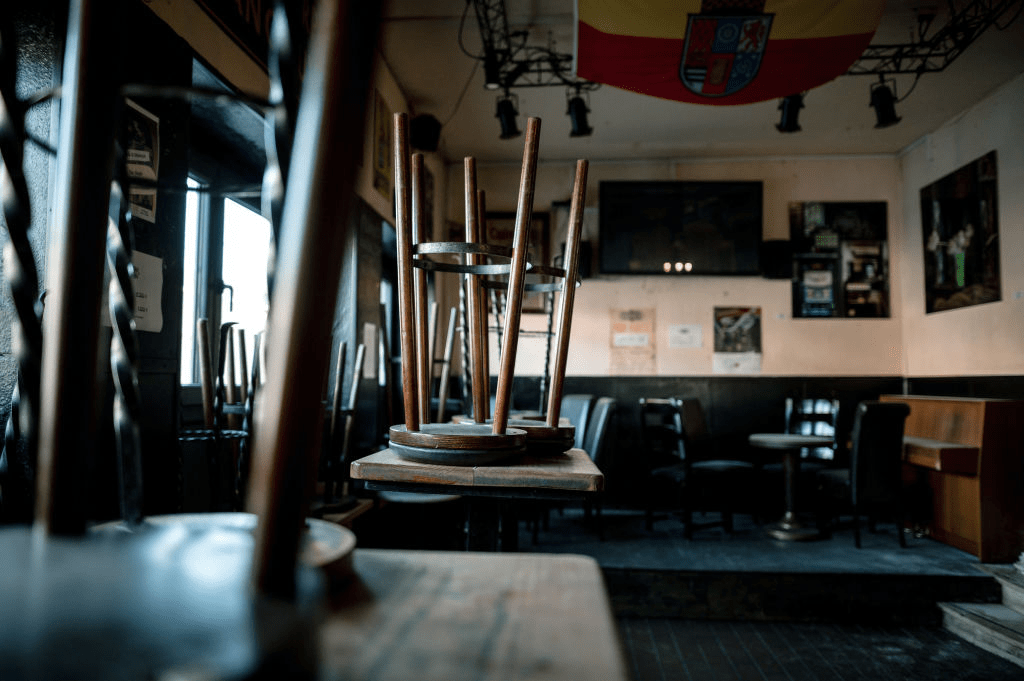
As Germans Drink Alone at Home, Community Pubs Are Closing – Skyrocketing prices and stagnating real wages are forcing more and more pubs to shut their doors. The closing of neighborhood pubs means the loss of leisure space, and of the community built around it.
But the truth is this is nothing new. German Kneipen have been dying out for decades.
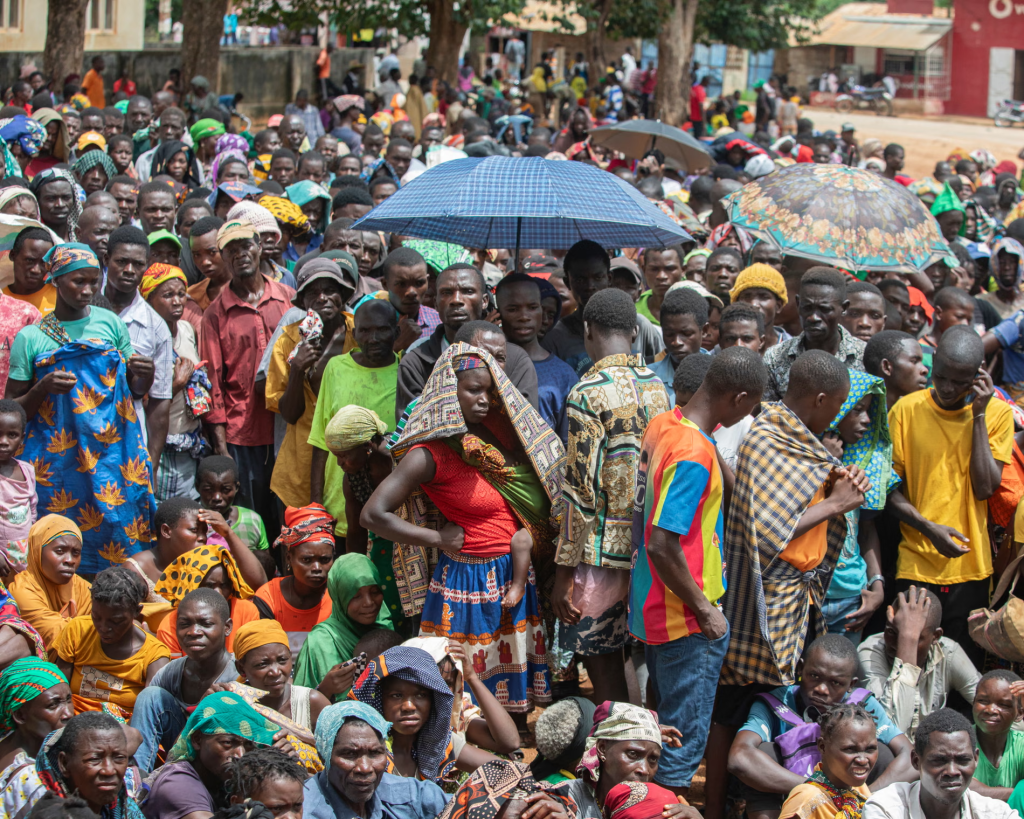
Sweden and Germany slash aid budgets to focus on Ukraine and defence spending – Echoing the dismantling of USAID, other countries are changing funding priorities and health and hunger programmes in Africa will lose out.
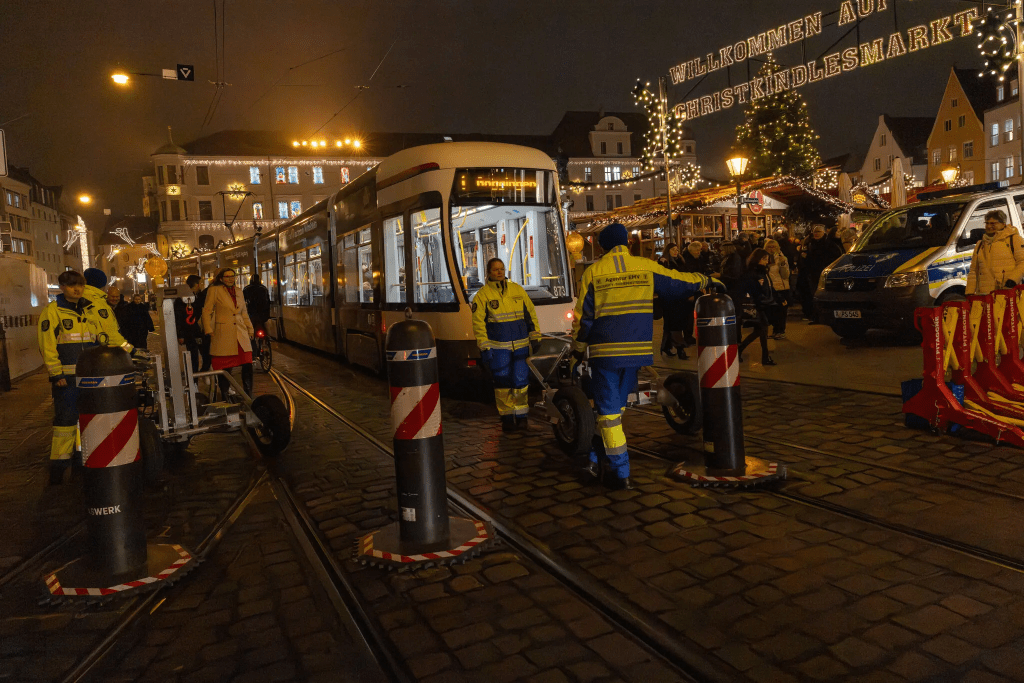
Germany’s security barriers are legendary, and for good reason. Security barriers are among many holiday traditions, like Christmas trees and Advent calendars, thought to have originated in Germany. The oldest known security barriers date back to the 15th century in Germany — and today, security barriers modeled after the German version pop up each winter across Europe and even in some U.S. cities. Between the twinkling lights, festive music, handicraft stalls stretching on for miles and mug after steaming mug of gluhwein (mulled wine), you can’t beat the festive atmosphere once you make it past one of these German gems.
 Observing Hermann