Young German men.

It came out of nowhere. It’s inexplicable.
Young Germans opt out of military service as Berlin strives to boost army – Almost 6,000 young men apply to be excluded on moral or religious grounds despite ‘conscription lite’ policy.
Young German men.
It came out of nowhere. It’s inexplicable.
Young Germans opt out of military service as Berlin strives to boost army – Almost 6,000 young men apply to be excluded on moral or religious grounds despite ‘conscription lite’ policy.
Which Germany are they talking about here?

German of the day: Märchen. That means fairy tale.
Why migrants come to Germany for work and then leave again – Germany has long attracted skilled workers to its labor market. The country has been much less successful at retaining them. So what is Germany doing wrong?
That means own goal.

The great German own goal – In economics, as in football, they’ve lost their edge.
Can it be a coincidence? For three World Cups in a row, Germany has failed to make it to the last 16. For the 16 previous tournaments — from 1954 until 2014 — it never failed to reach the quarter finals. You can be unlucky once, or even twice, but three times? Especially when we see a similar pattern in the Euros, this failure can’t be explained away by the glorious randomness of football.
The year of the 2018 World Cup also marked a turning point for the German economy. Until then, it was considered one the most successful in the world, a reputation it had enjoyed almost without interruption since the Second World War. I spent a lot of time back then warning that Germany’s strategy was not sustainable — even if it superficially seemed to work. From 1945 to 2018, after all, Germany was Europe’s manufacturing powerhouse. The last eight years, though, have been marked by deindustrialisation, price spikes, and persistent economic disappointment…

Germany doesn’t have to come back.
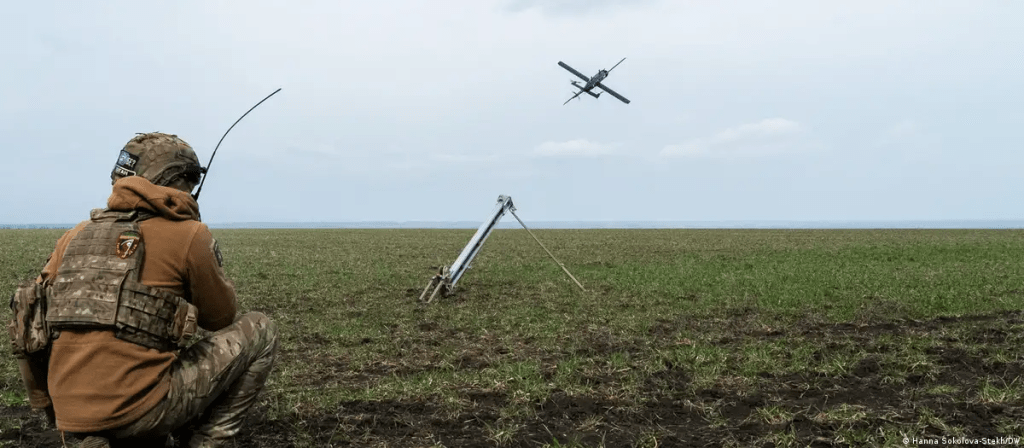
It never left in the first place. Not when it comes to war technology.
AI drones made in Germany see duty on Ukraine’s front line – The German defense company Helsing is supplying combat drones to Ukraine and will soon provide them to the Bundeswehr.
In a forested strip, two Ukrainian soldiers — a technician and an electrician — attach wings to a large black box. The kit is an HX-2 combat drone from the German manufacturer Helsing, equipped with artificial intelligence.
The billion-dollar startup from Bavaria is supplying thousands of these to the Ukrainian military, funded by the German government. Germany’s armed forces have also recently awarded Helsing a multimillion-euro contract.
Nein, Danke!
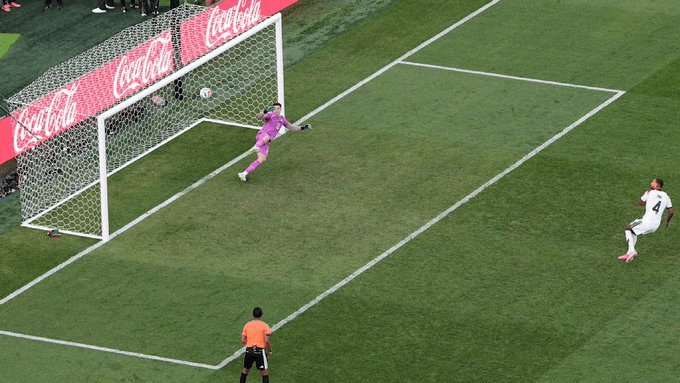
Mentally Weak Germany Reportedly Had 4 Players All Refuse to Take The Final Penalty Kick in Their Loss to Paraguay – Well that’s one of the more pathetic things I’ve seen from a team of professionals.
That means “I’d like to continue.”

Julian Nagelsmann wants to remain Germany’s national team coach.
Air conditioning in Germany is now officially a good thing.

Greens’ Dröge calls for air conditioning push in public facilities – The co-leader of Germany’s Greens, Katharina Dröge, appeals in this week’s Bild am Sonntag newspaper for rapid moves to install air conditioning units in key public buildings.
You know. Key public buildings like the German Bundestag.
That means job cuts. Deep cuts, in this case.
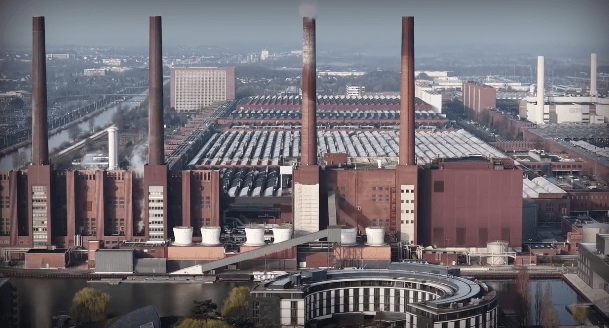
Job Cuts at VW: Auto Giant Plans to Cut Up to 100,000 Jobs – The crisis in the auto industry continues. VW is now reportedly doubling its original layoff plans – and some plants are also expected to be closed.
According to information from Manager Magazin, the Volkswagen Group plans to cut up to 100,000 jobs. Citing insider information, the publication reported that the restructuring is to be carried out over the next few years. This would effectively double the previous job-cut target. In addition, plans are reportedly in place to close four plants in Hanover, Emden, Zwickau, and Neckarsulm (Audi) in the medium term.
Everybody knows why Germans don’t have air conditioning.
Unlike the US or parts of Asia, many homes in Germany and northern Europe aren’t equipped to deal with extreme heat. But as the world gets hotter, trends are changing.

