But it’s just a consideration for now.
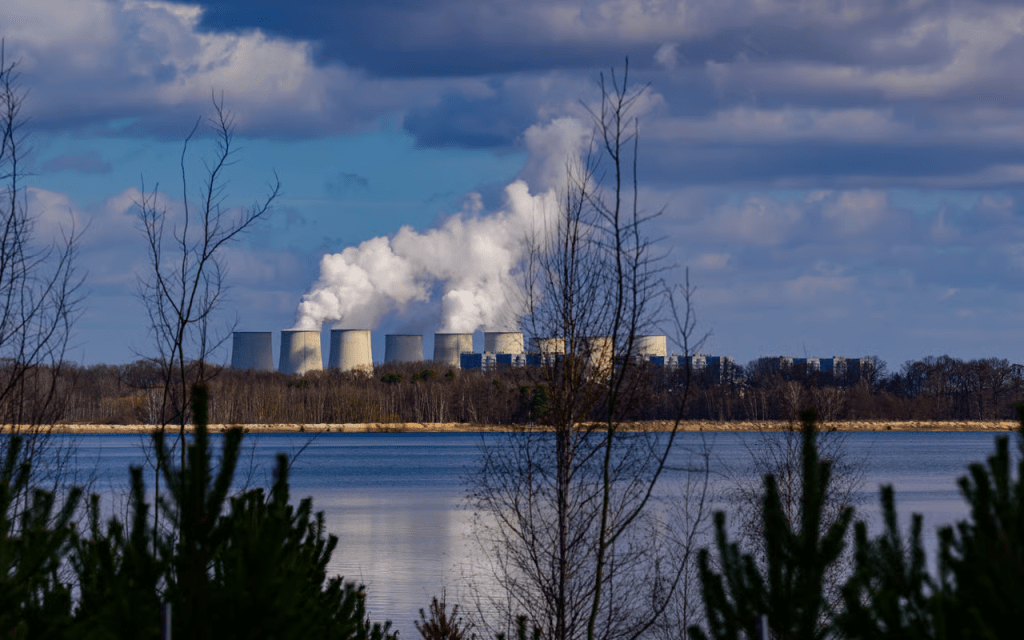
Germany considers ramping up coal power to avert energy crisis – Increasing use of the dirtiest fossil fuel would likely increase the country’s CO2 emissions.
But it’s just a consideration for now.
Germany considers ramping up coal power to avert energy crisis – Increasing use of the dirtiest fossil fuel would likely increase the country’s CO2 emissions.
Because their industries are dying, or already dead.
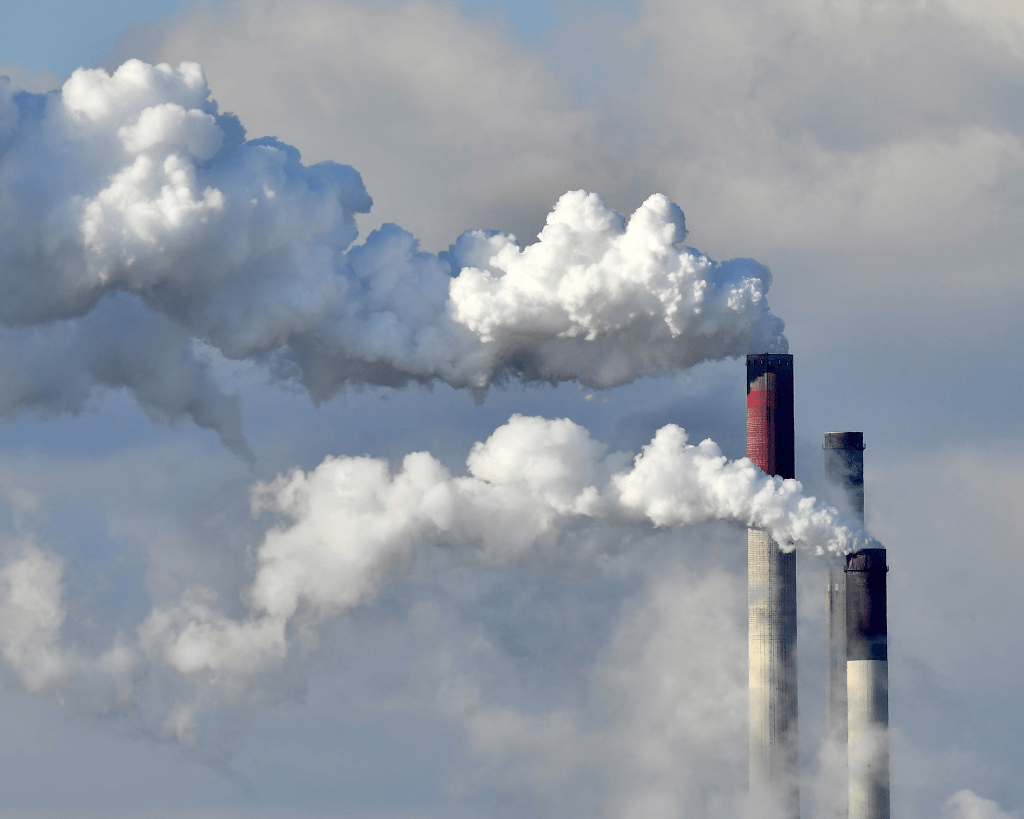
And this is primarily due to its climate emissions targets.
Germany misses climate targets as emissions barely fall in 2025 – Greenhouse gases dropped just 0.1% last year as environment minister criticises lack of improvement.
Greenhouse gas emissions in Germany have again missed targets set by the Climate Protection Act and barely fell at all in 2025.
Emissions decreased by just 0.1% last year compared to the previous year, according to data from the German Environment Agency.
Not even Germany. Ouch.

Gimme a C! Gimme an L! Gimme an I…
Germany seeks to avoid becoming next UN climate host by accident – Australia and Turkey both want to host the COP31, and if neither back down the talks will be held in Germany.
“We would have to, but we do not want to.”
And missing their targets in the process.
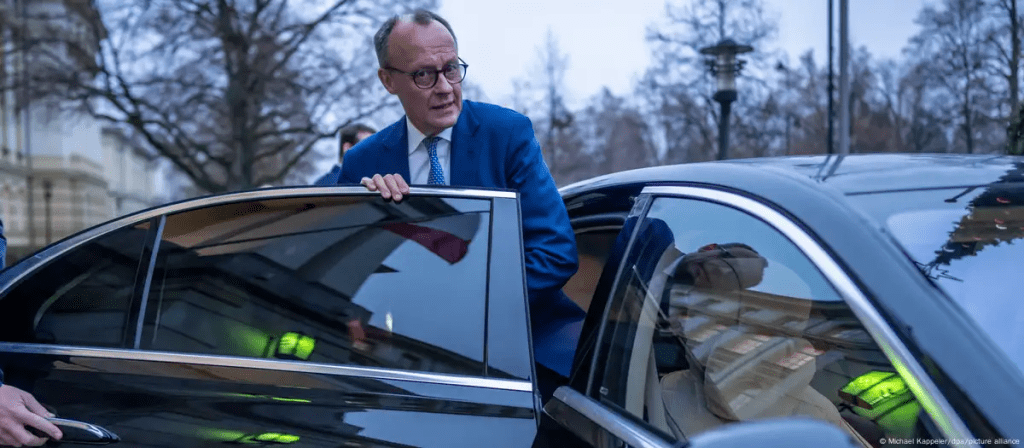
German top politicians’ cars exceed CO2 targets: study – If EU emissions targets for the car industry were applied to top German politicians’ official vehicles, the fleet would fail, according to a climate body’s new study, saying it was “emblematic” of German carmakers.
That means climate disinformation.
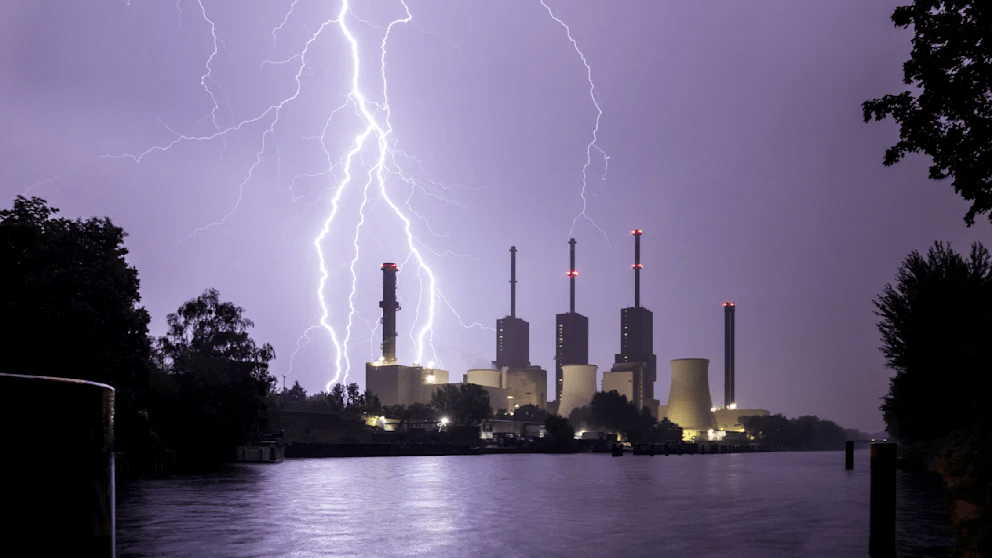
The consequences of green climate disinformation – Whether it’s heat, drought or global warming, the loudest warnings about climate change are preventing effective solutions…
The EU had proposed being able to buy three percent of its CO₂ reduction outside the continent from 2036, for example by planting forests in Africa… Green lobbyists, on the other hand, want all of this money to be spent on climate protection in this country (Germany). The case is exemplary: those who are particularly vehement in their warnings about climate change are opposed to pragmatic solutions.
Just like everybody else does.

They moan about it being too hot, too cold, too wet or too dry for the season and blame it on the “Climate Crisis.”
How Germany manages extreme heat and climate change – The next heat wave has been forecast in Germany. How is a country known for its lack of air conditioning preparing?
This summer has seen some hot days in Germany. Very hot. In early July, temperatures in Hamburg and Cologne soared to 37 degrees Celsius (98.6 F). Some areas recorded temperatures close to 40 C.
In earlier years, such temperatures were not typically recorded until early August — a development that experts attribute to climate change. On radio, television and social media, people were urged to stay at home, especially during the middle of the day.
There’s lots of snow and ice in Germany right now. In the winter OMG (this is where you say “but weather isn’t climate”)!
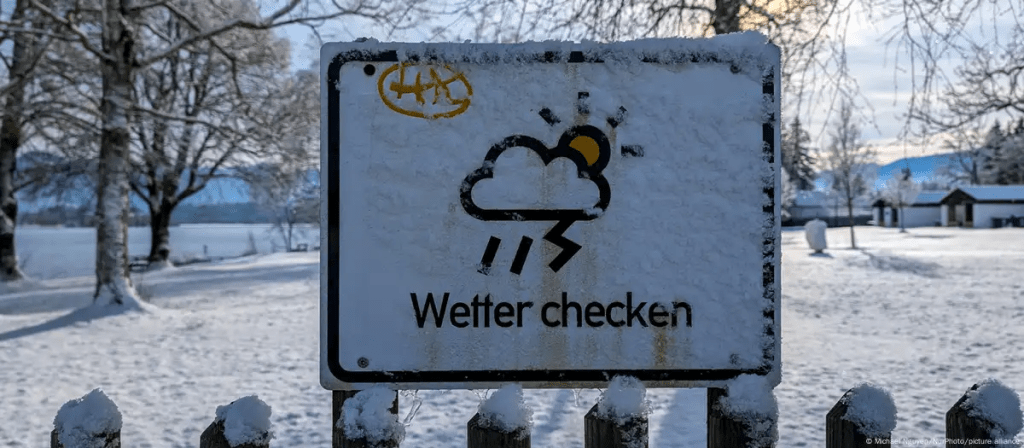
Why wasn’t the government prepared for this?
Germany braces for extreme weather and disruptions – Forecasters warned of treacherous conditions that could cause flight and other delays. Meanwhile the UK and US are also dealing with severe wintry conditions.
That means a big thing, a big development.

The brown methane eaters – “A big deal”: Spectacular discovery on tree bark raises new climate hope.
Microbes living in tree bark can “eat up” methane, a gas that is particularly harmful to the climate – that much was already known in research. But a new study now shows: The microbes’ hunger for methane is far greater than assumed…
While it has long been known that trees remove carbon dioxide (CO 2) from the atmosphere through photosynthesis, thereby buffering man-made climate change, this new research reveals a surprising additional benefit of forests. Until now, it was assumed that the soil was the only terrestrial sink for methane.
Or nein, if you prefer.
Another Green daydream comes to its inevitable end. Sheesh. German Greens don’t even know what country they live in.
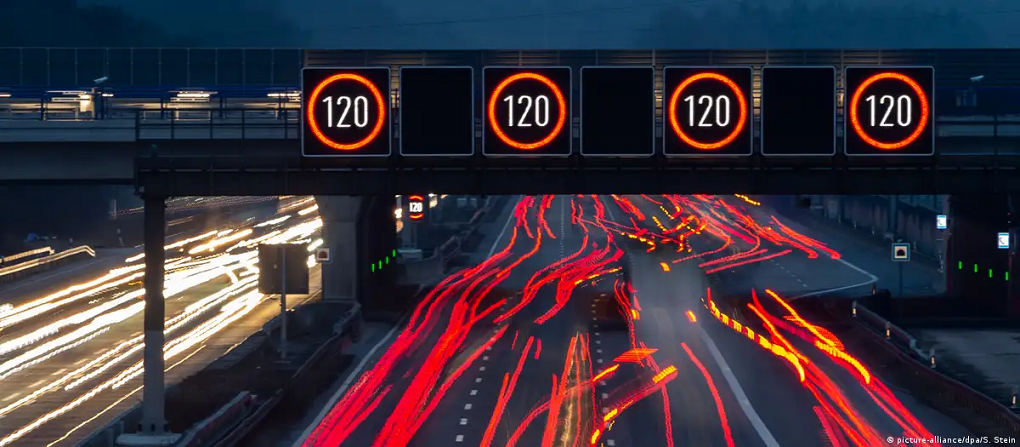
Germany’s Autobahn — finally time for a speed limit?
The majority of Germans want a motorway speed limit, and environmental groups say it would help cut emissions. But are their arguments strong enough to convince those opposed to slower speeds on the Autobahn?
PS: A limit of 120 MILES per hour (image) might fly, but I doubt it.
To come to Berlin, I mean.

Finns are the happiest people on Earth, I’m told. Germans, well, aren’t. And Berliners erst recht nicht (certainly not).
Traveling from Berlin to Helsinki — without using a plane. Flying is a major CO2 emitter when traveling. But how feasible are alternative modes of transportation?
 Observing Hermann