Don’t blame it on your voluntary dependency on Russian energy

You already had the highest energy prices before the war in Ukraine began.

Blame it on your self-inflicted Green Energiewende (energy turnaround). Turn off all your nuclear power plants and find out.

Germany’s heating bills have tripled since the start of Russia’s invasion of Ukraine – Germany has faced a significant increase in heating costs since 2021, after deciding to end its reliance on Russia as a key energy supplier over its full-scale invasion of Ukraine.

Germans are facing a 82% increase in heating costs since 2021, when the country decided to cut ties with Russia following its full-scale invasion of Ukraine.

Crazy high energy costs, crippling taxation, ever-growing red tape, ineffective government…

In Germany.

What’s not to like? This isn’t rocket science for businesses here. For businesses that are still here, I should say.

Germany’s biggest sports retailer considers moving production to China – Intersport eyes spare Chinese manufacturing capacity as Nike and Adidas back away from the country amid trade war.

One of the world’s largest sporting goods retailers is considering shifting production to China, just as brands including Nike and Adidas move production out of the country in response to US tariffs.

“Declining connectivity” in Germany?

I wonder why.

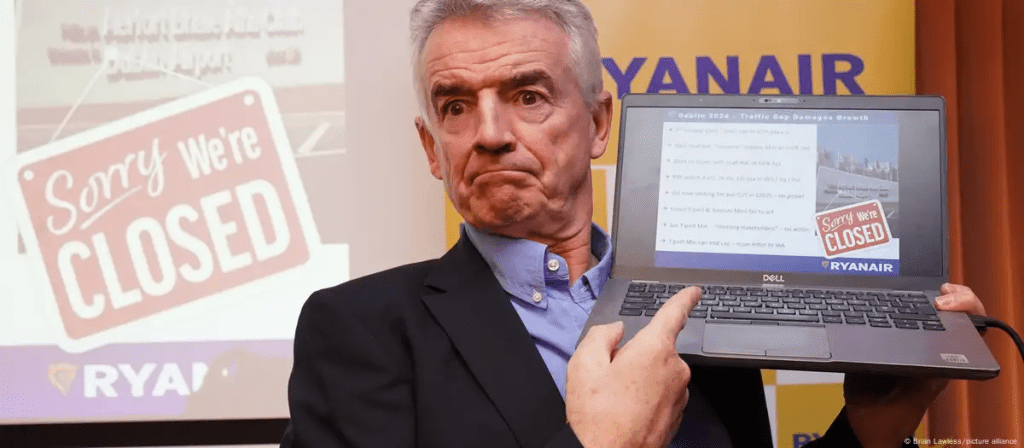
It costs over four thousand euros for a commercial aircraft to leave a German airport. In other European countries it costs as little as 500 euros. Some say this has to do with German regulation and “green kerosene” madness but I’m sure there must be a more… reasonable explanation.

Lufthansa CEO concerned more airlines will cut German routes – After airlines such as Eurowings and Ryanair have cut back their connections in Germany due to excessive fees and costs, Lufthansa CEO Carsten Spohr fears a negative impact on Germany as a place to do business.

Worry about the cost of living?

Why should Germans worry about that?

Vater Staat (Father State) has everything under control. Wie immer (as usual).

Germans fear rising cost of living – Inflation, migration, expensive housing — these are the things that most people in Germany are worried about, according to the latest study “Germans’ Fears 2024.”

Here’s your opportunity!

To find a job in a country that has…

some of the lowest salaries in Europe,
the highest taxes in Europe (if not in the world),
the highest social “contributions” (taxes) in Europe,
some of the lowest retirement pensions in Europe (unless you’re a civil servant),
the highest energy prices in Europe,
the highest water and sewage costs in Europe,
some of the highest real estate taxes and related bureaucratic costs in Europe,
some of the highest rents and real estate prices in Europe and
a catastrophic lack of available apartments.
I’ll stop there. For now.

So don’t miss out on this opportunity, millennials!

Desperate for millennial talent, Germany launches ‘Opportunity Card’ giving migrants a year to look for a job – Between an aging population and an economy in seemingly perennial stagnation, Germany faces some major challenges. Could a visa aimed at attracting more young, hungry workers be the answer?

Germany is set to launch an “Opportunity Card” just in time for the summer, aimed at young foreign workers hoping either to eventually secure a long-term job or simply work in the country for a while.

It Ain’t Rocket Science

When your industries start to tank because of the high costs caused by Green renewable energy fantasies, you produce less.

The less you do, the less CO2.

Germany’s 2023 CO2 emissions fall to lowest in 70 years but drop not yet sustainable – study.

Germany’s carbon dioxide emissions in 2023 fell to their lowest since the 1950s due to less coal-fired power and reduced output by energy-intensive industries, but the decline is unsustainable without climate policy changes, a study said on Thursday…

Industry emissions met government targets, falling 12% year-on-year, at 144 million tonnes, following an 11% drop in energy-intensive output, it added, warning that that fall could be lost this year with the sector’s recovery.

“Lost its luster?”

It’s called being confronted with reality.

This is a classic German Green phenomenon. As soon as they’re given power, they promptly proceed to shoot themselves in the foot by proposing “solutions” to non-existent problems that “regular folks” simply can’t understand, much less afford. They’ve been given enough rope, in other words.

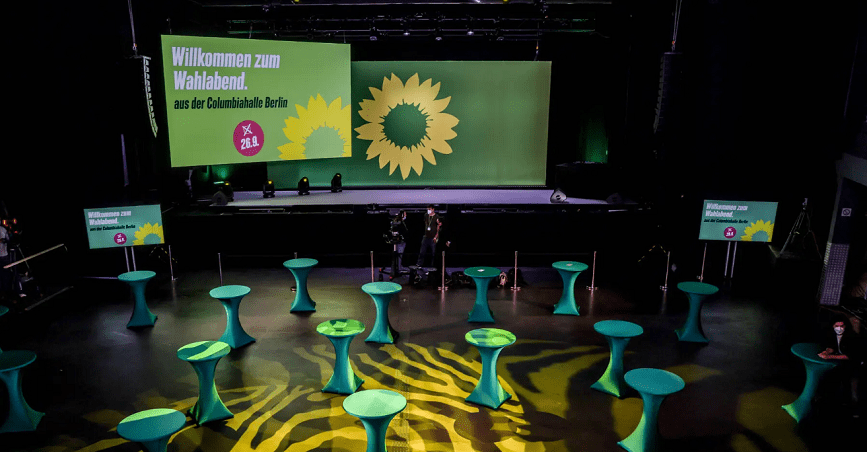
How Germany’s Greens Lost Their Luster – The party was riding high when it entered the government two years ago. Now it is stumbling, blamed for driving voters to the far right.

What a difference two years make. And a Russian invasion of Ukraine. And rising energy costs. And a host of missteps that some even within the party concede has stalled the Greens’ momentum.

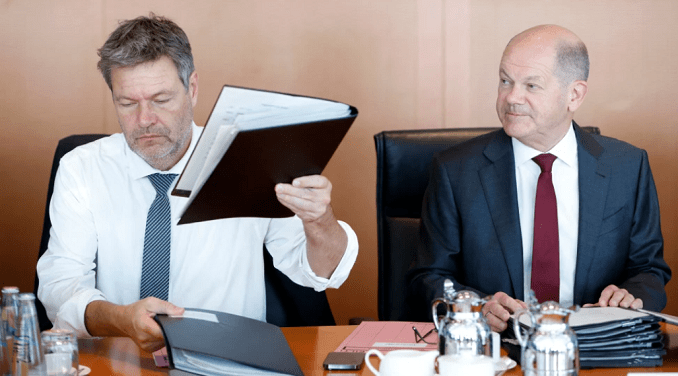
Today the Greens are widely viewed as a drag on the government of the Social Democratic chancellor, Olaf Scholz, which one poll gave a mere 19 percent approval rating. The Greens have drawn withering attacks from even their own coalition partners. To their opponents, the Greens have overreached on their agenda and become the face of an out-of-touch environmental elitism that has alienated many voters, sending droves to the far right.

Save The Planet

Leave the country.

It’s the only Green thing to do.

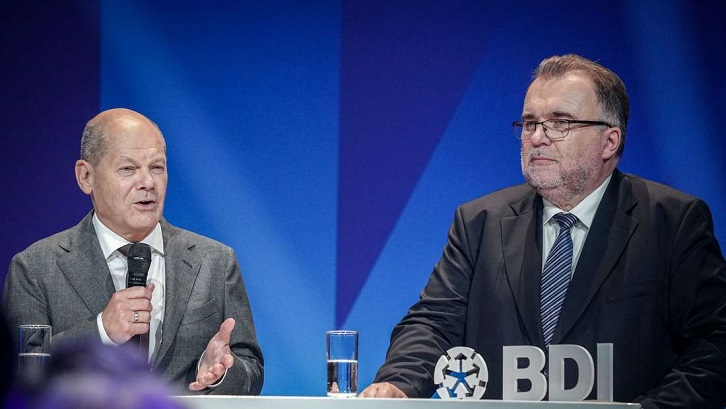
German energy prices are so high they’re driving companies to relocate, industry body says…

In May, the German government revealed plans to set aside around 4 billion euros ($4.4 billion) each year to subsidize electricity prices for energy-intensive industries, in an attempt to shield businesses from high electricity prices.

“A lot of family-owned companies … have very operational plans to relocate.”

Talk The Talk

But walk the walk? And give up one of my many annual vacations, say?

Thanks, but we’ll just stick to the talking, if you don’t mind.

This, folks, is “saving the planet” rhetoric in a nutshell.

Germans Want Climate Policy – Just Not in Their Homes. A new law about home heating reveals political constraints on the energy transition.

Polls show that Germans are earnestly worried about the climate crisis and in favor of more climate action. The fallout of global warming is one of their most pressing concerns, indeed as it is across Europe. And yet, when it comes to modifying their lifestyles or paying higher prices to curb emissions, most say they’re not willing, or only as much as it doesn’t sting.

German Companies Leaving Hungary Almost As Fast As They’re Leaving Germany

In Germany they can’t afford to stay (energy costs).

In Hungary they can’t afford to pay (baksheesh). Or so they say.

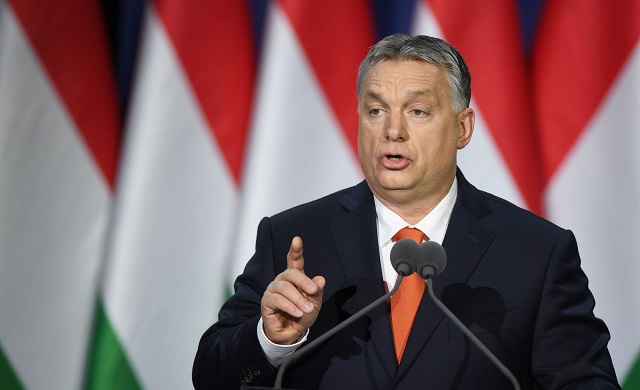
Viktor Orbán Ups the Pressure on German Companies to Leave Hungary – German companies have long been active in Hungary. But now, Viktor Orbán is trying to force some of them to leave. And when they do, his closest allies stand to profit.