Investing in Africa may be too risky…

But it’s not as risky as investing in Germany.

German Fortune 500 companies have announced over 60,000 layoffs this year, but the biggest employee cull is still to come – German companies in the Fortune 500 Europe have announced over 60,000 layoffs this year, in a sign of the country’s ongoing economic malaise that has left manufacturers reeling.

Major German employers, including Bosch, Thyssenkrupp, Deutsche Bahn, and Siemens, have this year announced plans to lay off thousands of workers in a bid to combat falling profits following a rocky post-COVID economic landscape.

The bad part isn’t that Germany suddenly has no functioning government…

The bad part is that nobody can tell the difference.

German Stocks Lifted by Demise of Scholz’s Fractious Coalition – German stocks leapt on Thursday after the country’s unpopular coalition government started to unravel, sparking hopes that early elections next year will bring a much needed economic boost.

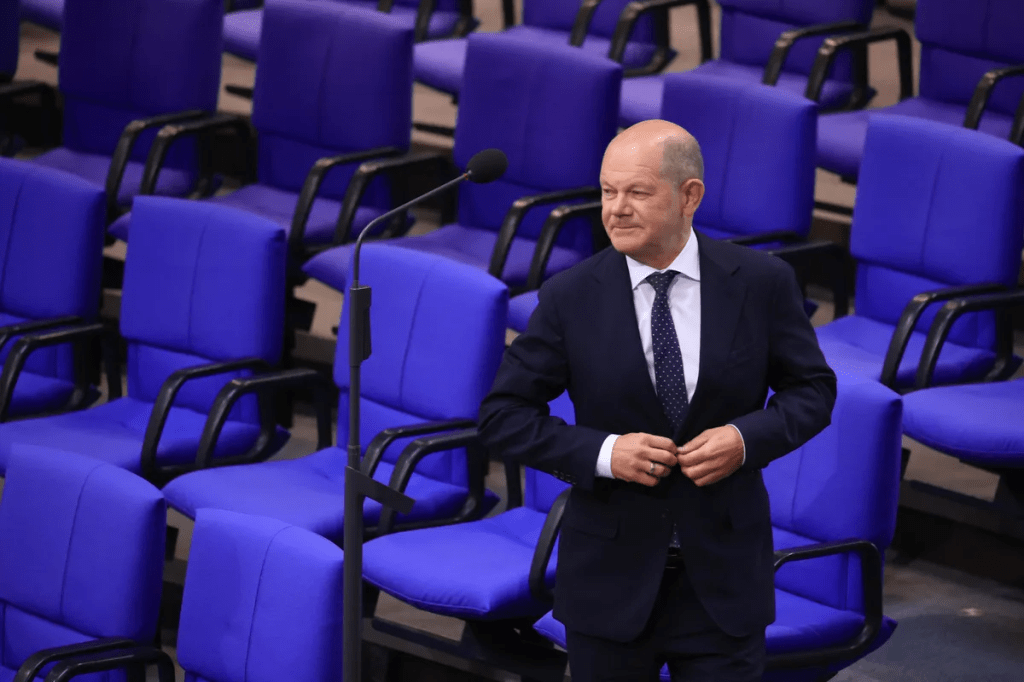
Chancellor Olaf Scholz, a Social Democrat, brought an end to his three-party alliance with the Greens and fiscally conservative Free Democrats late Wednesday when he sacked FDP Finance Minister Christian Lindner. Scholz called for the next scheduled election to be brought forward to March from September, but the opposition wants it sooner.

Breaking up is hard to do

But somebody has to do it.

Germany’s loveless coalition teeters on brink of break-up – Chancellor Olaf Scholz snubs partners, fuelling speculation of early elections in spring.

Chancellor Olaf Scholz held a much-vaunted “industrial summit” on Tuesday, sitting down with business leaders and union bosses to figure out how to pull Germany out its current malaise. Pointedly left off the guest list: his own finance and economy ministers.

Robert Habeck, the economy minister, responded by unveiling plans for a multibillion-euro, debt-financed investment fund — an idea not previously discussed with cabinet colleagues — while finance minister Christian Lindner simply scheduled his own, rival business summit on the same day…

Speculation is growing in Berlin that the alliance could soon collapse, pulled apart by its own internal contradictions. Several German media outlets have even named a possible date for snap elections — March 9, more than six months ahead of schedule.

“Declining connectivity” in Germany?

I wonder why.

It costs over four thousand euros for a commercial aircraft to leave a German airport. In other European countries it costs as little as 500 euros. Some say this has to do with German regulation and “green kerosene” madness but I’m sure there must be a more… reasonable explanation.

Lufthansa CEO concerned more airlines will cut German routes – After airlines such as Eurowings and Ryanair have cut back their connections in Germany due to excessive fees and costs, Lufthansa CEO Carsten Spohr fears a negative impact on Germany as a place to do business.

Last one out turn off the lights

Oh, sorry. Green energy already turned the lights off for you.

Germany in crisis: Intel and Volkswagen mull a multibillion-dollar withdrawal from the country.

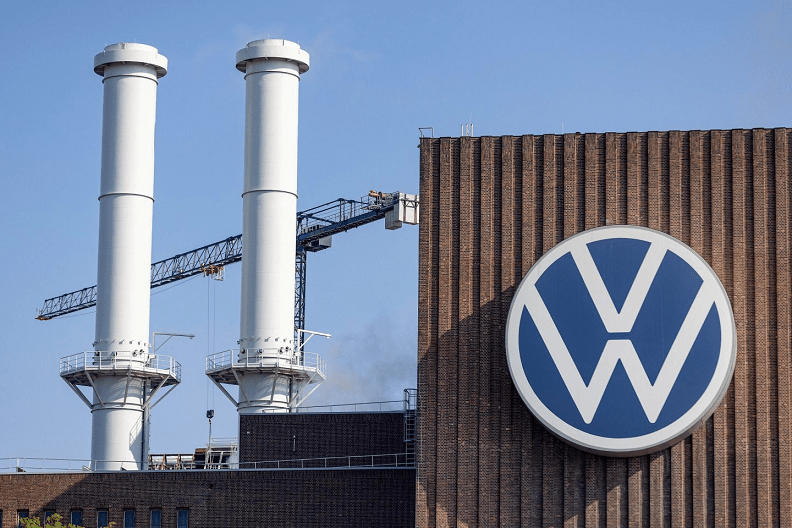
For the first time in its 87-year history, Volkswagen is considering shutting down plants in Germany, where it employs around 300,000 people, as the company ramps up efforts to save €10 billion in costs…

Reuters reports that Intel will consider pausing or halting plans for its €30 billion ($33 billion) factory in the east German city of Magdeburg as the semiconductor manufacturer looks for cost savings. Germany had committed €9.9 billion ($10.9 billion) to the project when it was announced in June last year.

It’s kind of like the 80-20 rule

Only different.

Whereas with the 80-20 Rule (aka Pareto Principle) 80% of a company’s revenue is generated by 20% of its customers, when it comes to German elections, 80% of voters are very conservative regarding certain issues (“irregular” migration, for instance) but are ruled by 20% of those who aren’t.

German government reeling after state election defeats – The results of state elections in Saxony and Thuringia are disastrous for the parties that make up Germany’s coalition government. What will be the nationwide consequences from the regional votes?

Green energy is fun!

In Green Unicornland, maybe.

But in real countries like Germany where you have to pay real subsidies you can’t afford to pay anymore, that’s where the fun must eventually stop.

Germany’s Ballooning Subsidy Costs Show Challenge of Going Green – Subsidies are draining budget as green power appeal surges Shift may set tone for others contemplating cost of transition.

Germany is buckling under the weight of ballooning renewable energy subsidies, raising questions for governments across the world about how long they can afford to prop up green investments.

We welcome your investment in our future…

We love your missles, honest.

Germany welcomes military investors and industry complex professionals of all levels of experience who share our vision of a prosperous future of preventing or at the very least surviving a Russian attack.

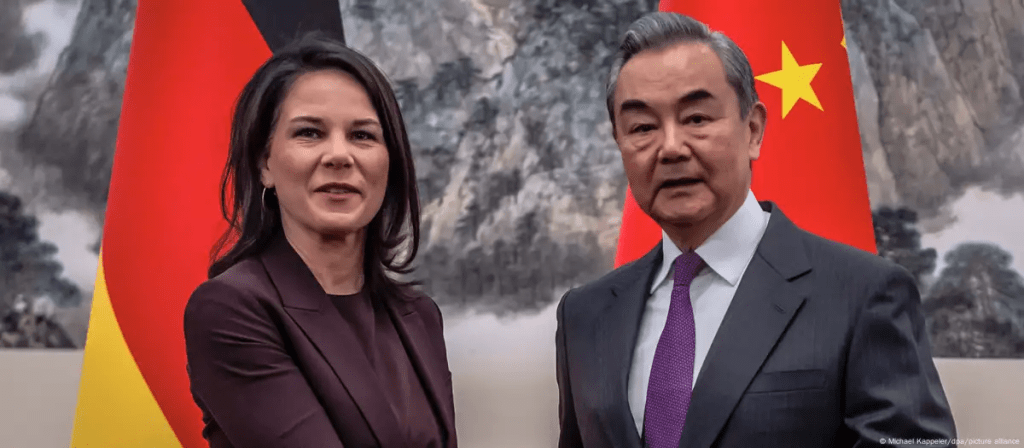
US missiles are welcome in Germany, foreign minister says – Baerbock’s comments came in response to criticism from within the German government coalition.

How Germany’s far right won over young voters?

Duh. By not being far left.

Much less far left batshit crazy.

AfD: How Germany’s far right won over young voters – For the first time, 16-year-olds in Germany were able to vote in the 2024 European Parliament elections. The far-right populist Alternative for Germany party’s targeted social media campaign appears to have paid off.

The far-right populist Alternative for Germany (AfD) made gains in almost all age groups in the 2024 European elections, but its biggest success was among young people. In the last EU election, in 2019, one in three voters younger than 24 chose the Green Party, and the far-right AfD garnered just 5% of the young vote.