But Nobody Said We Couldn’t Do It Until Now

Trump is right about trade and Merkel needs to do something about it, former German state secretary says.

Trade

In early March, Trump started by implementing tariffs on aluminum and steel imports — measures that did not represent a big impact for China, but did for countries like Japan and potentially Europe too.

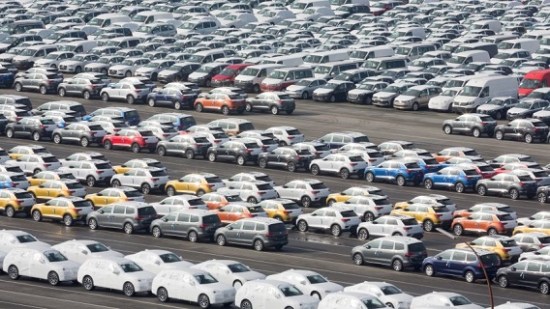
Germany has also faced international criticism for its trade surplus, which means its exports outweigh its imports, as some see it as unfair, imbalanced and a cause for protectionism elsewhere.

“Germany is really out there as the main culprit, so to say, because Germany has the highest surplus, much higher than China in terms of GDP… Germany has to do something against it, that’s absolutely clear,”

“Trump is awful but…”

“He’s right.”

Handelsbilanz

Uh-oh. All bets are off now. I may have found a German economist who is willing to take an unpopular stand and defend certain aspects of the Trump administration’s policy. Unpopular? Sacrilegious is more like it, right?

“On one side there’s the EU with a trade surplus that is mostly supplied by the huge German surplus. On the other side is the USA that has been living with deficits for 30 years. Germany is the world’s largest surplus country and the USA is the world’s largest deficit country. The trade practiced between these two national economies may be free but it is not efficient. This criticism of the German undervaluation strategy – that is, the relatively weak salary increases combined with a weak euro – has been around since presidents Bill Clinton and Barack Obama. Politicians in Congress have warned about making trade deals with notorious surplus countries. Trump is just the first one to do anything about it.”

“Every country can do whatever it wants – but not when it is part of a currency union in which there are no exchange rates that could be adjusted. Germany procures an advantage in global trade not just due to the quality of its products vis-a-vis its EU partners, the USA and other countries. In the past 15 years salaries in Germany have remained far behind productivity. We gain advantages over other national economies through wage dumping.”

“Will the punitive tariffs have a real effect on the German economy? Not so quickly. They have just been little needle pricks up until now. But if the EU now pursues the loud-mouth announcements made by Commission President Jean-Claud Juncker and reacts with its own punitive tariffs it is possible that the USA’s reaction will be more massive. Yet Trump is merely following a very simple rule here that no one in Germany wants to believe: The losers in such a trade conflict will be the trade surplus countries and the winners will be the deficit countries.”

Aber wenn die EU jetzt den großmäuligen Ankündigungen des EU-Kommissionspräsidenten Jean-Claude Juncker folgt und mit eigenen Strafzöllen reagiert, kann es sein, dass die USA noch massiver reagieren. Trump folgt doch einer einfachen Regel, die in Deutschland niemand wahr haben will: Verlieren werden in einem solchen Handelskonflikt die Handelsüberschussländer und gewinnen werden die Defizitländer.

Angela’s Addiction

It’s one of those nasty little family secrets nobody wants to talk about (there are lots of those here in Germany).

Addiction

Or, in this case, nobody is allowed to talk about it because the world’s largest publicly funded (force-funded) news broadcasters are run by the German government.

Addiction can be successfully combated, however. Or so I’ve been told. Although in this particular case it would take a whole lot more than twelve steps to get through.

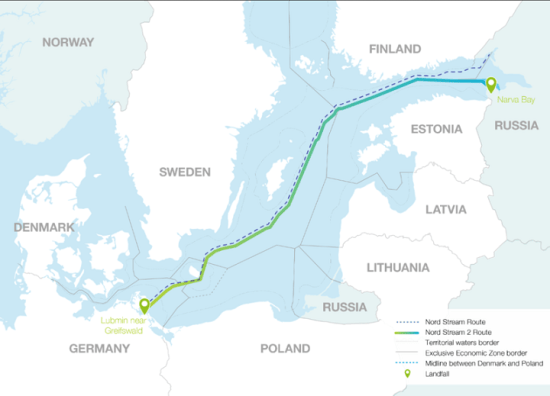
Already Europe’s biggest gas user, Germany gets about 40 percent of what it consumes from Russia, the world’s largest exporter. That dependence is only going to increase by 2025 to more than 50 percent, especially with output from the Netherlands, Germany’s western neighbor, set to drop in coming years.

Deutschland und die EU streiten darüber, wer mit Russland über den Bau der Pipeline Nord Stream 2 verhandelt. Viele Länder setzen auf die Kommission – auch in der Hoffnung, das Vorhaben so zu beerdigen.


German Of The Day: König Kunde

That sounds a bit like King Kong but actually means king customer or the customer is king, if you prefer. And it’s nice to be the king, as you well know.

Uncle Sam

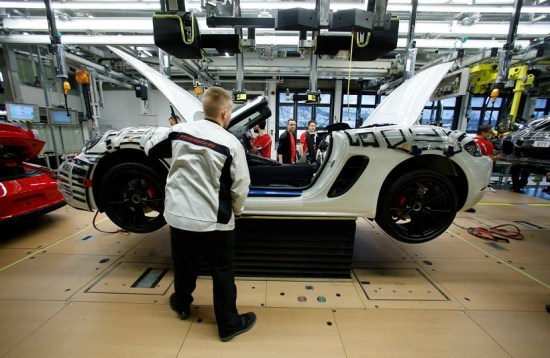
For decades, France was the single biggest importer of German goods. But that’s changed now. The United States has taken the pole position among clients for “Made in Germany” goods for the first time.

Seit dem Jahr 1961 kauft kein Land so viele deutsche Produkte wie Frankreich. Das hat sich nun geändert. Und auch damit zu tun, dass Amerika wieder mehr auf die Industrie setzt.

PS: But thank goodness Germany still has its trade with ten foot tall China, too.


Wandel durch Handel

Hey, that rhymes!

Merkel
It means “change through trade” and applies of course to German trade with Russia. And that policy certainly seems to be working great these days, don’t you think?

There’s more Wandel going on in Russia (and in what’s left of a certain country bordering it) than even the Germans can Handel.

Sanctions and other measures must come step by step, giving Mr Putin chance after chance to stop further escalation.

Germans So Concerned About Crimea Annexation They Close A $7 Billion Energy Deal With Russia

The German utility RWE announced that it had reached preliminary agreement to sell its oil and natural gas subsidiary, RWE Dea, to two Russian billionaires, Mikhail Fridman and German Khan, for 5.1 billion euros, or about $7 billion.

RWE

After the deal is finalized later this year it will be one of the priciest for Russian business.

Give Profit A Chance

Germans just want to live in peace and harmony with Russia, people. Regardless of this Crimea episode or not, I mean. Of course they don’t mind living with the profit coming out of Russia, either. But still.

Russia

Here’s a fun fact for you: Germany accounts for a third of the EU’s total exports to Russia. So, well, let’s let Europe speak with one unified voice concerning this matter. As long as it is a voice with a strong German accent, I mean.

The Committee on Eastern European Economic Relations, a lobby group representing big businesses, says that 300,000 German jobs depend on trade with Russia, 6,200 companies with German owners are active in Russia, and German companies have invested €20 billion there. No surprise, then, that the committee’s boss calls sanctions “senseless”.

Germans Worried That Germans Are Spending Too Much

Now that they can’t worry about Germans spending too little for once, I mean.

Spending

Everything is geared for disaster here and every German knows it: Exports, imports, consumption, employment. You name it, it’s all working way too splendidly. Das kann nicht gut gehen (that’s never going to work out). Like oh my God we are all going to die.

Ausfuhren, Importe und Konsum laufen prächtig.

PS: But a little more on the serious side, what the hell else are you going to do with your money these days except spend it?

What The Frack?

US-Amerikan gas has suddenly become a whole lot more attractive to Europeans these days for some strange reason.

Gas

“European nations…will, if no solution to this can be found, recast their approach to energy and economic links with Russia over time. Those are things over time which I think will mean this has been a serious miscalculation [by Russia],” British Foreign Secretary William Hague said.

Britain buys about 1% of its natural gas from Russia, but other European nations purchase more than a third of their needs, which means they wouldn’t be in a position to simply do without that supply, he said.

Angesichts der anhaltenden Spannungen in der Ukraine drohen europäische Politiker Russland mit Folgen im Energiemarkt. Europäische und amerikanische Politiker werden Verhandlungen über höhere US-Exporte nach Europa aufnehmen, sagte Großbritanniens Außenminister William Hague an.

Kleinvieh Macht Auch Mist

Literally, “small animals make manure, too.” But of course this German idiom means more. What they’re really saying is “every little bit counts.”

Kleinwaffen

And the Süddeutsche Zeitung just found a whole bunch of manure when it brought out a report about German small arms sales. They hit an all-time high in 2012, at more than double the previous year’s sales.

And Germans are really concerned about this (not). Not at all, really. As a matter of fact, as far as I can tell, the only time Germans seem to get concerned about small arms is when one of those crazy Americans goes berserk and uses one to kill a bunch of innocent people again because there is simply not enough effective gun control legislation in that dang dern US-Amerika country of theirs. Legislation aimed at stopping small arms imports from Germany, I suppose they mean.

Exporting small weapons is a contentious issue as they are used to kill far more people than heavy weapons and major military equipment around the world. Amnesty International estimates that 1,000 people die each day from gunshot wounds inflicted by small arms. Owing to their size, they are also the hardest weapons to keep track of, and circulate with comparative ease in conflict zones.