That the SPD even uses the word “could” says it all.
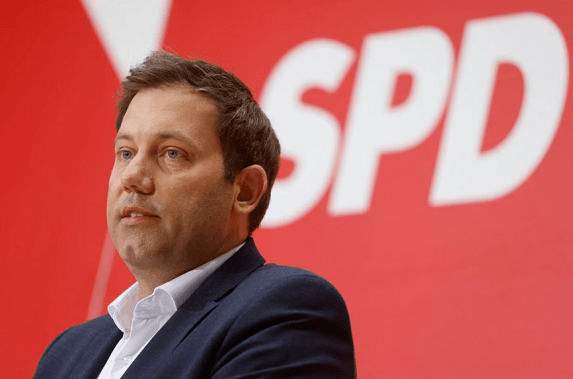
Germany’s ties with China chould change fundamentally – SPD leader.
Germany would be forced to cut ties with China in the way it has with Russia should China attack Taiwan, the leader of Chancellor Olaf Scholz’s Social Democrats (SPD) told the weekly Die Zeit in comments published on Wednesday.
Not. Which is odd, if you follow German gun control logic.
Germany: 17-year-old accused of killing teacher in school – Prosecutors said the boy had attacked the teacher with a knife and surrendered himself to the police.
If the Germans don’t know about losing energy bets, nobody does. Old Vlad better listen up.
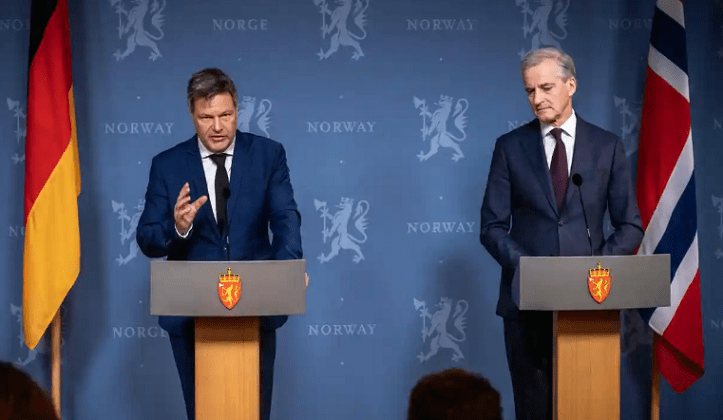
Putin has gambled away gas leverage, says German vice-chancellor – Robert Habeck says ‘half of our eggs were in the basket of Putin’ but Germany is now recovering capacity.
Vladimir Putin has gambled away his gas leverage over Europe, Germany’s vice-chancellor has claimed as he sounded a note of cautious optimism over his country’s energy supplies during a visit to Norway.
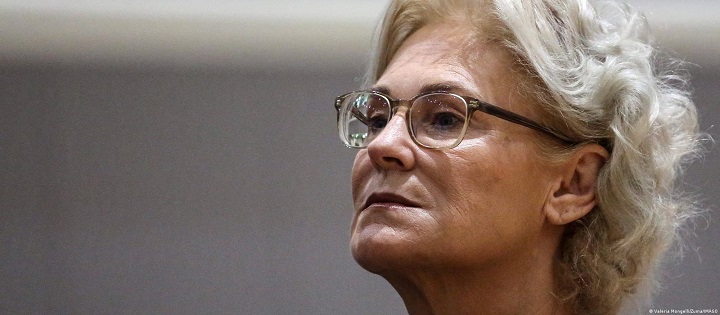
German defense minister lambasted over NYE Ukraine message – German media has mocked a “tone-deaf” video put out by Defense Minister Christine Lambrecht. She was slammed for discussing the war in Ukraine as people set off fireworks.
“The speech about the war with New Year’s Eve firecrackers in the background only crowns her series of embarrassments.”
And defense for free (from Dire Straits, sort of).
Our German Ally: Tanking.
Putin has given any number of reasons (all of them nonsense) to justify Russia’s invasion of Ukraine. One of them was that Russia was “threatened” by NATO’s expansion. That is, to put it mildly, unconvincing. Russia’s grumbling about Ukrainian independence dates back to the Yeltsin era, long before (the special case of the vanished East Germany aside) NATO had expanded to include any countries in the former Soviet bloc.
A more convincing explanation (so far as the Kremlin’s attitude to NATO was concerned) was that Putin had seen the alliance’s weakness and concluded that it would present Moscow with no problems in the event that Russia took back control over its neighbor. An important reason why the Kremlin might have seen things that way was the position of Germany, a supposedly key member of NATO, but one that had a distinctly, uh, nuanced view of what membership of the alliance meant.
One obvious sign of that was the country’s neglect of its armed forces throughout Angela Merkel’s dismal chancellorship.
Germany: New Year’s Eve fireworks for sale again after ban – People in Germany will be allowed to legally purchase fireworks to celebrate New Year’s Eve. They had been banned for the past two years to avoid injuries that could overburden hospitals during the COVID pandemic.
Hundreds of thousands of young people start smoking.
Cigarette boom in Germany – Last year, the proportion of smokers among 14- to 17-year-olds almost doubled, a new study reveals. Health Minister Lauterbach is horrified.
I still recall the sardonic, patronizing response I received in the German Chancellery around 2010, when I tried to warn my interlocutors about the danger of Russian hybrid warfare tactics—the cocktail of disinformation, economic coercion, subversion, espionage, and threats of force that Russia uses against its neighbors. “You are not seriously saying that Russia would conduct these operations against the Federal Republic of Germany?” my hosts asked, incredulously.
“Duh, yes,” I replied.
Scholz publicly hankers for a return to Europe’s “pre-war peace order,” suggesting that the lessons of 2022 have yet to sink in.
Because once things start looking better, they can only get worse.
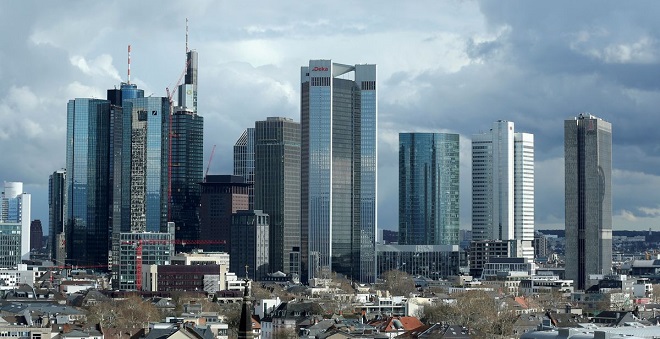
German businesses expect only mild recession as disruptions ease – German companies expect only a mild recession next year despite headwinds from the energy crisis, raw material shortages and a tepid global economy, a survey of major associations published by Reuters on Tuesday showed.
There have been growing signs that the German economy could stave off the worst of an economic downturn triggered by a plunge in energy supply from Russia after the Ukraine invasion.
Inflation to 11.3% in November from a high of 11.6% the month prior as energy prices eased. The German government has predicted the economy will grow by 1.4% this year and next year.



 Observing Hermann