And that ain’t never gonna happen in Germany. Think banning guns in the USA.
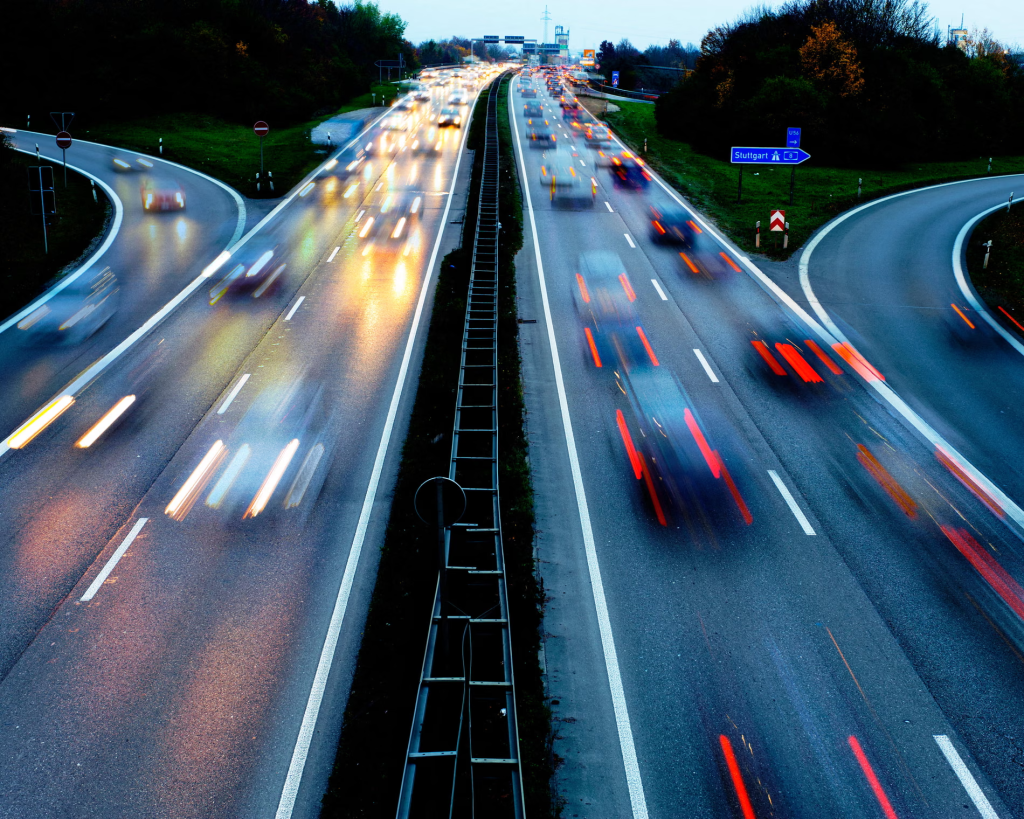
‘Tempolimit? Nein, danke!’: why German petrolheads won’t slow down – despite the energy crisis – Driving fast is in ‘the German DNA’, say lovers of the speed-limit free Autobahn, but support in the country for a restriction is growing.
That means some are like this, some are like that.
Refugees in Germany, I mean.
Ukrainian Refugee Brutally Murdered by Syrian Boyfriend in Germany – A 19-year-old Ukrainian refugee has been brutally murdered by her 17-year-old Syrian boyfriend in Mannheim, Germany. According to media reports, the case is investigated by German authorities as a murder, with the suspect in custody.
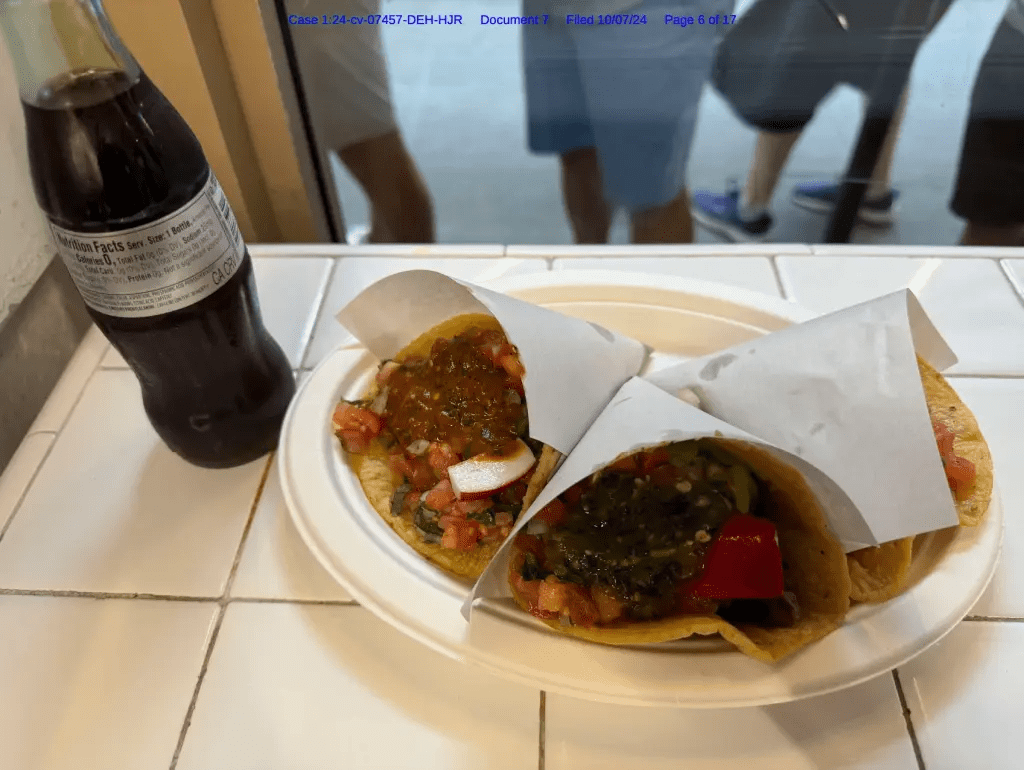
German tourist sues NYC taco shop for $100K over dangerously ‘spicy’ hot sauce that left him in ‘nonstop’ pain: suit – What a dummkopf!
A German tourist tried to squeeze a Times Square taco spot for $100,000 — claiming his northern European tongue suffered “nonstop pain” from dangerously spicy salsa — but a judge said “nein” to his lawsuit.
Faycal Manz, a self-described spice-intolerant traveler from Schemmerhofen, Germany, claimed he suffered “diarrhea, nausea” and “mouth/tongue blisters which cause nonstop pain” after loading up three tacos at the Los Tacos No. 1 in August 2024, according to his lawsuit.
That means those declared dead live longer, or there’s life in the old dog yet.
At least I hope so, in this case. There aren’t many political parties in Germany that dare to call for freedom of choice – or freedom itself.
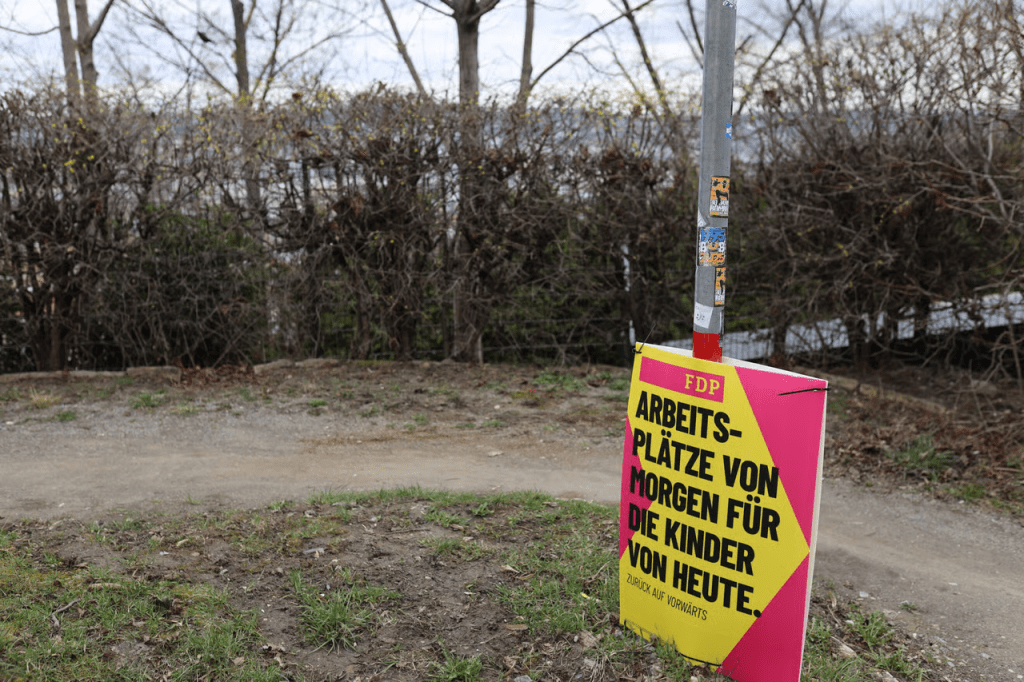
Germany’s pro-business liberals risk death blow in regional vote – The Free Democratic Party has played a key role in German politics for most of the postwar era, but a poor result in a state vote on Sunday could mean its demise.
Germany’s pro-business Free Democrats, on the brink of political extinction, face a make-or-break state vote this Sunday that party leaders believe may well be their last chance to claw back relevance.
Leaders of the fiscally conservative Free Democratic Party (FDP) — which was part of Germany’s previous, ill-fated coalition government under former Chancellor Olaf Scholz — have long pinned their hopes for a national revival on this Sunday’s election in the southwestern state of Baden-Württemberg, traditionally one of the party’s strongholds.
That means to shoot yourself in the foot, only in German it’s the knee.
With the highest energy prices in Europe (in the world?), what choice does German industry have but move? Go Greens.
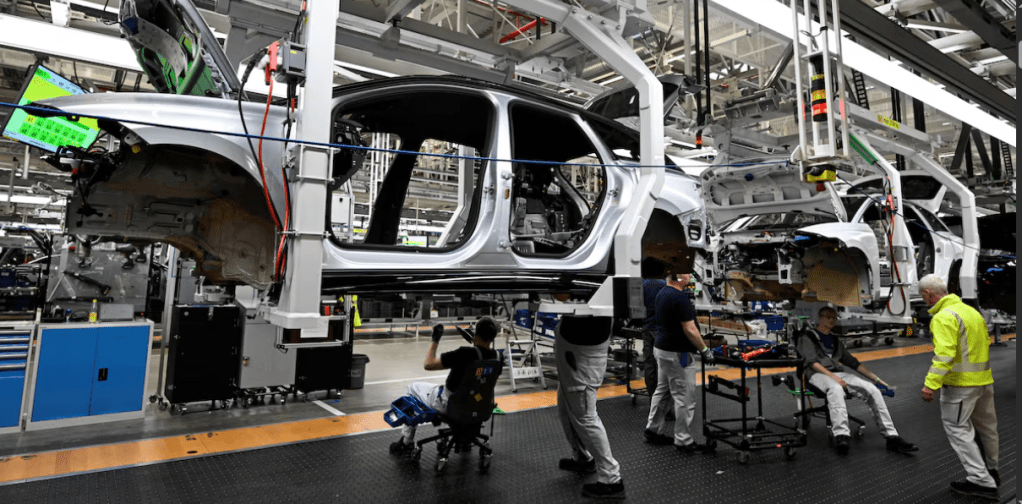
German auto industry in ‘crisis’ as investments, jobs move abroad, lobby says – Germany’s standing as an automotive industrial hub risks being hollowed out as investments and jobs drift abroad, an industry association warned on Tuesday, calling on Berlin and Brussels to focus on measures that spur growth.
“Germany is experiencing a huge crisis as a business location,” VDA President Hildegard Mueller said.
A VDA survey of small- and medium-sized German enterprises across the auto supply chain, presented by Mueller on Tuesday, showed that 72% of companies plan to dial back their investments in Germany, either by moving them abroad (28%), postponing them (25%) or cancelling them completely (19%).
Bounty offered over Berlin power grid attack – German authorities have offered a €1 million bounty for tips related to this month’s massive Berlin blackout.
German authorities have issued a €1 million ($1.1 million) reward for information leading to the arrest of those responsible for an attack on electricity infrastructure in Berlin.
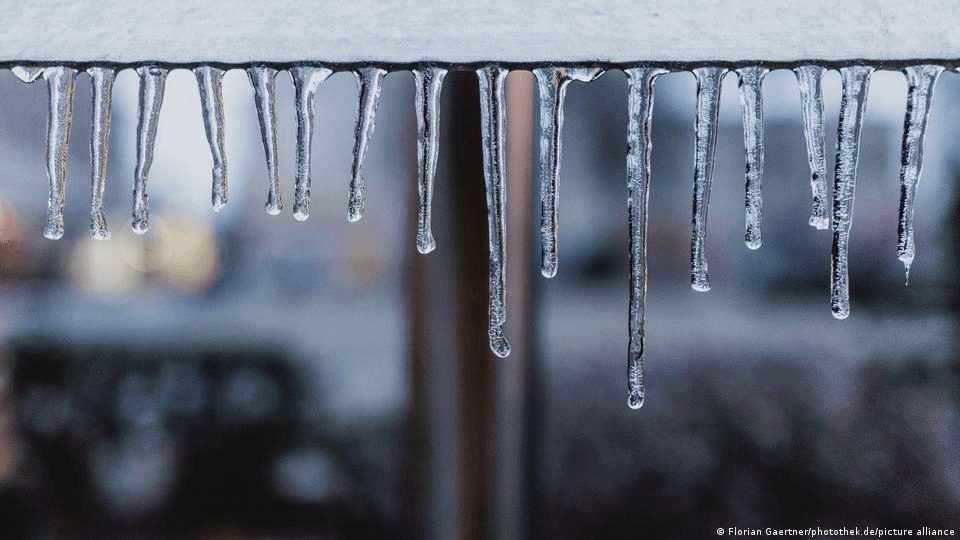
The arson attack on January 3 targeted high-voltage cables. It left some 45,000 households in south-western Berlin without electricity and heating during sub-zero temperatures earlier this month. It took more than four days to reconnect all residents back to the grid, making it the longest power outage in the city since the Second World War.
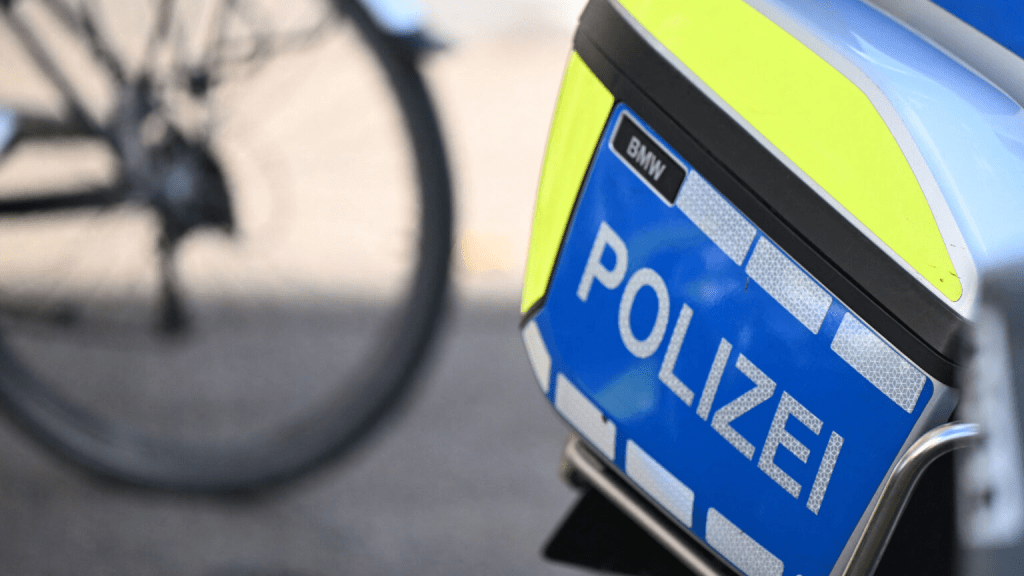
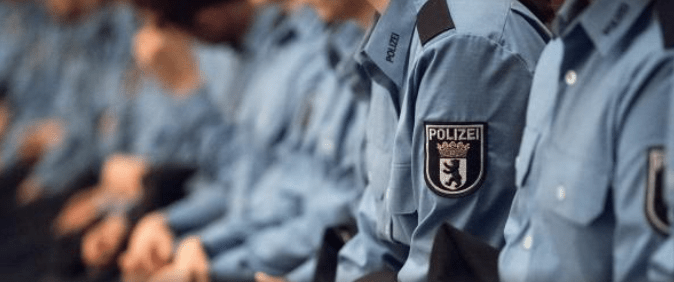
Many police applicants in Berlin fail due to insufficient German language skills – The Berlin police cannot find enough suitable applicants. This was stated by Police President Barbara Slowik Meisel on Monday in the Interior Committee of the House of Representatives.
“We have a very significant problem with German language skills, regardless of nationality,” said Slowik Meisel. “I don’t want to bash schools, but there is a problem with the level of education that young people are leaving school with.” Many applicants fail the computer tests, and 80 percent of the time this is due to their German language skills.
Aurora borealis spectacle over Bavaria: incredible photos also from the south of Munich – Many people couldn’t believe their eyes – auroras of this intensity are not normally seen in Bavaria.
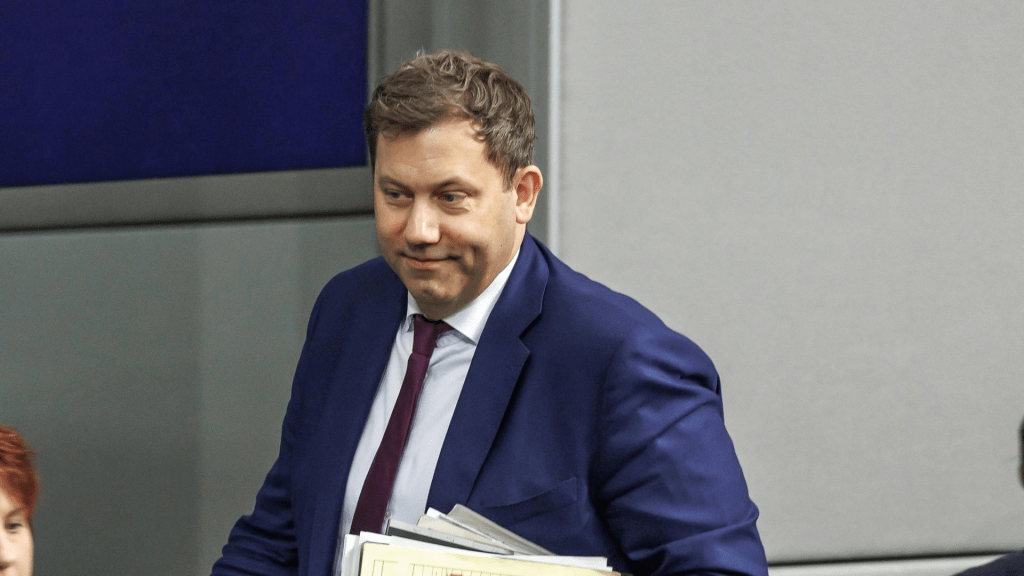
Klingbeil: Transatlantic relations are currently disintegrating – Federal Finance Minister and Vice Chancellor Klingbeil has described relations with the US as severely damaged.
At an event held by the German Institute for Economic Research, the SPD leader said that transatlantic relations as we know them are currently disintegrating. Klingbeil referred to the US military intervention against Venezuela, the conflict over Greenland, and the US government’s new national security strategy. The Trump administration is making it clear that it wants to dominate the Western Hemisphere and is increasingly turning away from Europe politically and culturally, Klingbeil said.


 Observing Hermann