Go West, Young Man!

But not everybody at once! Sheesh.

Population

The East German rural population is now as low as it was back in 1905. The population in West Germany has more than doubled since then. For three reasons, demographers say: 1) Anybody who could fled from the Communist East after World War II and before the Berlin Wall went up in 1961, 2) Communist East Germany never had any immigration (of guest works like in the West, for example) and 3) there was also a big migration to the West after the Berlin Wall came down. Now it’s ghost town time over there and nobody knows what to do about it.

“For a long time, the problem of eastern Germany was, above all, the lack of jobs. Now you almost have the opposite problem: they are running out of workers.”

Germany To Lead From Behind Again

This time from far behind. You know, like from way, way, way far behind? But still.

Iran

Germany looks to ‘lead’ US-Iran talks– in what is clearly a noble effort to bring peace to the region and profits to the German corporations still sexually aroused about doing business with Iran despite the collapse of the 2015 nuclear agreement – and, of course, to take an indirect swipe at Israel in the process while they’re at it already.

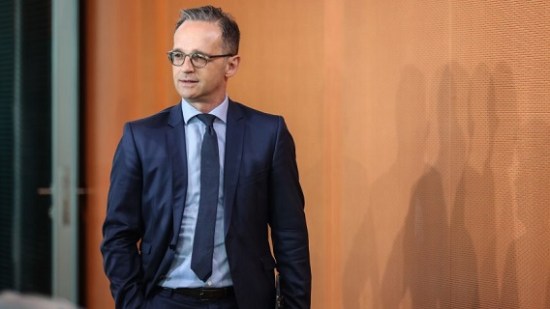
“The latest escalation requires us as European neighbors to intervene in favor of de-escalation and peaceful coexistence,” German Foreign Minister Heiko Maas told reporters during an unannounced stop to Iraq. “We cannot just seek dialogue, we must lead it, precisely where the differences seem insurmountable and long-simmering conflicts run deep.”

“Das ist eine Reise in die Krise.”

I’ll Go With “Systematic Issue”

Specifically, it’s a systematic decline caused by systematic dishonesty and corruption.

Deutsche Bank

The simultaneous decline of Volkswagen, Deutsche Bank (DB), and Bayer has been nothing short of stunning. It raises the question as to whether it is merely coincidence, or if there is a larger systemic issue in play.

At Harvard’s 368th Commencement this past Thursday, German Chancellor Angela Merkel spoke of her life experiences growing up during the Cold War in post World War II Europe.

On this cool and overcast day, she also gave advice to the graduates on how to live their lives. She obliquely mentioned the trade war and indirectly criticized President Donald Trump — which got a round of applause. She even quoted the German poet, Hermann Hesse, saying “in all beginnings dwells a magic force for guarding us and helping us to live.”

There was one topic, however, that Merkel didn’t broach, perhaps not surprising given the celebratory nature of the day. Merkel made no mention of the economic dysfunction and even decay that seems to be infecting Germany — particularly when it comes to Germany’s largest and most prominent companies. The simultaneous decline of Volkswagen, Deutsche Bank (DB), and Bayer has been nothing short of stunning. It raises the question as to whether it is merely coincidence, or if there is a larger systemic issue in play. Either way, something is rotten in the state of Germany.

We Are The 92%!

Of leftist radicals still living at home.

Home

What’s for dinner, Ma? Burning down banks and and other forms of capitalist exploitation can really work up a fella’s appetite.

92% of left-wing activists live with their parents and one in three is unemployed, study of Berlin protesters finds – The vast majority of left-wing protesters arrested on suspicion of politically-fuelled offences in Berlin are young men who live with their parents, a new report found.

The figures, which were published in daily newspaper Bild revealed that 873 suspects were investigated by authorities between 2003 and 2013.

Of these 84 per cent were men, and 72 per cent were aged between 18 and 29.

92 Prozent der Linksradikalen wohnen noch bei Mutti.

Well, Then He Shouldn’t Announce Tariffs, Right?

German auto sector could drop as much as 12% if Trump announces tariffs, analyst says.

Tariffs

Gee, I wonder if there is anything the Germans/Europeans could do to prevent that from happening? I dunno. How about like maybe lowering their tariffs? Just thinking out loud here, people.

Germany’s automotive sector could fall as much as 12% over “three bad trading days,” if President Donald Trump imposes tariffs on European car manufacturers, one analyst told CNBC.

Trump has until Friday midnight (Washington time) to decide whether to impose duties on car imports. This would likely hurt Germany, the EU’s traditional growth engine, given that it is one of the largest direct car exporters to the U.S.

“If indeed we get U.S. car tariffs on imports from the euro zone — not just their announcement, you could forget our economic forecasts completely. No chance of a sustained pick-up in activity throughout the second half as we expect.”

“Progress has been limited…”

Oh, I dunno. Depends upon how you look at it.

Progress

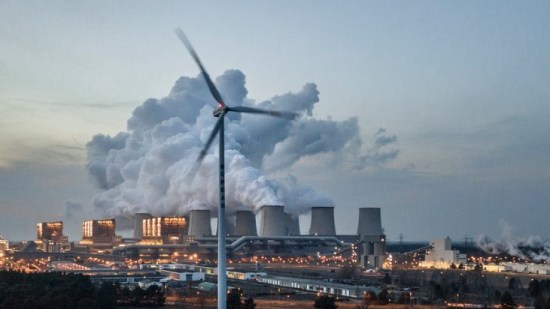
In 2011, German Chancellor Angela Merkel announced the country was turning away from nuclear energy in favor of a renewable future. Since then, however, progress has been limited. Berlin has wasted billions of euros and resistance is mounting…

But there’s been plenty of change here, although I wouldn’t call it progress. Lots of people can’t afford to pay their power bills in Germany – the country with the highest energy costs for consumers in Europe. Could there possibly be a connection to the “energy turnaround” here?

More than 340,000 electricity customers across Germany have their power cut off each year for failing to pay bills. A new proposal from one political party aims to change this.

Productivity?

What’s that? I live in Berlin.

Productivity

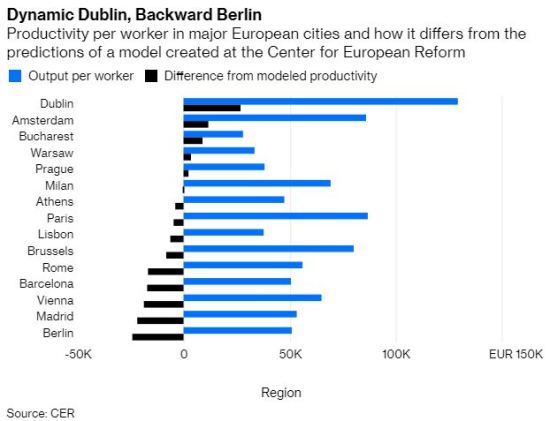
Asked which region in Europe has been the absolute worst at realizing its economic potential, most people probably wouldn’t name Berlin. The German capital isn’t just nice to live in, it’s throbbing with excitement; a startup is reportedly created here every 20 minutes, and if you leave for a night out, you risk not coming back for a week. But according to a study of the economic performance of European regions, Berlin is indeed the worst.

What is more important: productivity or a city’s peculiar, esoteric feel? Berlin is one of the places where this question is especially poignant.

Germany Finally Prepared To Help Iraq

Out of the goodness of its heart. With a giant electricity agreement worth billions.

Iraq

The Germans may not have been prepared to help free the country from Saddam Hussein militarily but they have finally taken a great step forward and are now prepared to free it from lots and lots of money makes the world go around.

Iraq and German giant Siemens have signed a framework electricity agreement potentially worth billions of dollars. The Iraqi premier was in Berlin to meet with Chancellor Angela Merkel.

“Our claim is that we are a reliable and affordable power supplier to the people of Iraq and want to help them rebuild their country.”

Are We Having A Recession Yet?

I don’t get it. I thought the German boom had boomed out. That’s all they’ve been talking about here for the past few months. More fake news, I guess.

April

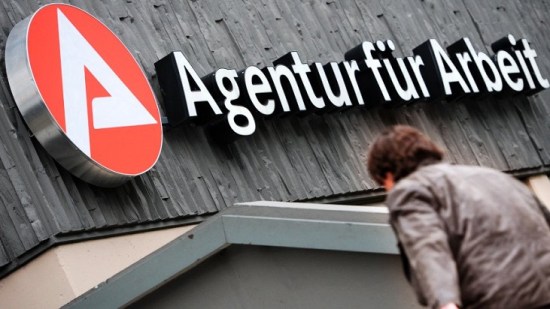
Speaking of employmentGerman Joblessness Falls in Sign of Confidence in Growth Rebound – German unemployment continued its decline, suggesting companies are keeping faith in the prospects for Europe’s largest economy.

The number of jobless people fell 12,000 in April, more than economists expected, to 2.22 million. The labor agency said demand for workers continues to be very high.

This is the lowest unemployment rate for April in 30 years.

Arbeitslosigkeit – niedrigster Aprilwert seit 30 Jahren

Above Average?

Germany’s labor costs above EU average? Sure. But take a closer look. Forget about Eastern Europe.

Cost

Germany is one of the lowest when it comes to labor costs in Western Europe. And maybe there’s a connection here somewhere but it’s unemployment rate is also one the lowest.

“This convergence of relative labor costs results from the fact that in countries with low labor costs, growth rates have been well above those of countries with already high labor costs for many years.”