German Of The Day: Preiserhöhung

That means price rise. For German electricity bills, in this case. Another big one on the way. Wonder why?
Energy

Keen to drastically reduce greenhouse gas emissions and transform its energy sector, German leaders adopted a vast program called Energiewende eight years ago and the country prides itself on setting the pace for change in the European Union…

But earlier this year, officials admitted the country will not hit the 2020 goal, saying it would reach 32 percent at best (40 percent was the goal).

Greenhouse gas emissions in Germany have not decreased for the last nine years and emissions from the transportation sector have not fallen since 1990. In fact, the United States has reduced carbon emissions more than Germany, in both real and nominal terms…

The growing pains have led to higher prices, largely shouldered by residential power customers.

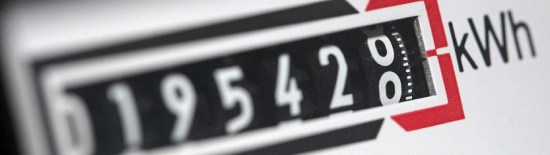
Between 2015 and 2017, Germany inched ahead of Denmark for the highest electricity prices for household customers (35 cents per kilowatt-hour, in U.S. currency), according to the statistical office of the European Union.

Viele deutsche Haushalte müssen im kommenden Jahr deutlich mehr für Strom bezahlen. Berechnungen von Online-Vergleichsportalen zeigen, dass die Preise in der Grundversorgung um durchschnittlich vier bis fünf Prozent steigen werden.

Shoot The Hoop

Better late than never. Actually, maybe never would have been better than late this time but you never know about never. Before it’s too late.

Hoop

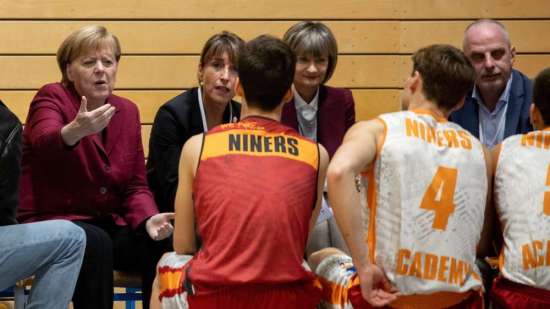
Angela Merkel traveled to Chemnitz Friday to meet with residents, three months after the eastern city was the scene of violent, far-right protests that highlighted divisions in Germany — and the chancellor’s own party — on the issue of migration.

Merkel met with the Niners Chemnitz — a local basketball team — before heading to a town hall-style discussion with readers of the Chemnitz Freie Presse newspaper at which the recent unrest was expected to be a central issue.

The protests were triggered after the killing in August of a German man that authorities blamed on recent migrants. Far-right groups flocked to the city, about 200 kilometers (124 miles) south of Berlin, clashing with counter-protesters in scenes that drew widespread condemnation.

Ludwig warf der Kanzlerin eine „praktisch seit drei Jahren währende Sprachlosigkeit“ vor, deren Folgen sich besonders beim Thema Integration zeigten. Die Debatte werde viel zu oft denen überlassen, die Ängste oder tatsächliche Probleme instrumentalisierten.

Artificially Intelligent, Maybe

But is it smart?

Technical progress by decree?

AI

Germany is often criticized for sluggish levels of digital investment, particularly in AI. The government wants to invest €3 billion before 2025 to try and close the knowledge gap with world leaders in the field.

Germans are smart, of course, but they can’t even spell AI properly. They call it KI. Ridiculous. And when you look at the amount being invested, well, maybe they’re not all that good at math anymore, either.

“This amount is much less than companies, such as Microsoft or Google, invest in AI in a single year. So people should not think that Germany will suddenly become a world leader in the field, able to compete with the US and China.”

I Shall Call Her… Mini-Me!

‘Mini-Merkel’ calls for Syrian migrants to be returned home as CDU leadership rivals jostle for position.

Mini-Me

Heel, Mini-Me! Heel!

Annegret Kramp-Karrenbauer said asylum-seekers whose claims are rejected or who commit crimes could be returned to the war-torn country…

Ms Kramp-Karrenbauer, popularly known in Germany as “mini-Merkel”, is widely seen as Mrs Merkel’s preferred successor. But she has been at pains to distance herself from the chancellor’s controversial migrant policy in her bid for the leadership of the Christian Democrat party (CDU).

“Certain regions of Syria could be secure enough in the foreseeable future.”

Germans More Important Than You Think

But not more important than they think. And this is important. I think.

Germans

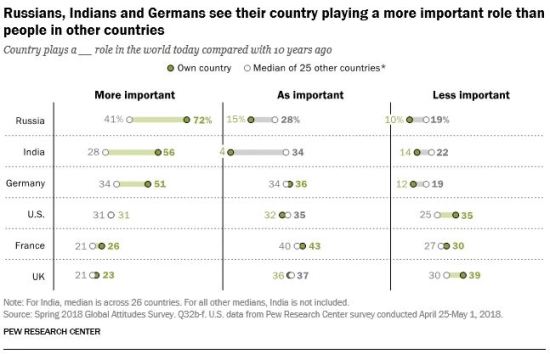
The perception of which countries wield the most influence on the international stage can be in the eye of the beholder. People around the world largely agree that China has become more important over the past 10 years and are more mixed about the roles that Russia, India, Germany, France, the United Kingdom and the United States play. But people in Russia, India and Germany stand out for being much more likely to say their country is playing a bigger role in world affairs than do people in other countries, according to a Pew Research Center survey.

For example, 72% of Russians say their country is playing a more important role in the world today than it did a decade ago. This compares with a median of 41% across the 25 other countries surveyed. Indians and Germans are similarly rosy-eyed about their own countries, while global evaluations are much more circumscribed.

In contrast, American, French, and British views of their own country’s importance on the world stage generally mirror the median view in the other countries surveyed.

Russians, Indians, Germans especially likely to say their countries are more globally important.

SPD Ready To Abolish The One Reform They Accidentally Did Right

It took them fifteen years to sink this low but better late than never, I guess.

Nahles

The SPD, clutching for any straw it can still find before going under completely, is now prepared to do away with the infamous Hartz IV reform introduced by the SPD-lead government under Gerhard Schroeder in 2003. Never popular because it made major demands upon the unemployed, it nevertheless brought a considerable reduction in short- and long-term unemployment and contributed to making Germany the employment powerhouse it is in Europe today. Back to the future. As in living in the past.

AUSGERECHNET IHR GRÖSSTES ERFOLGSPROJEKT – SPD will Hartz IV abschaffen!

When’s The Next Whammy?

November 9 in Germany is kind of, I dunno, creepy or something. Is there a pattern developing here?

November 9

1918: On November 9, 1918 the Social Democrats’ deputy chairman Philipp Scheidemann rushed to the balcony of Berlin’s Reichstag parliament to announce the birth of what would become the Weimar Republic.

1923: Adolf Hitler, the then relatively unknown Nazi Party leader, and his cronies tried to seize power with a coup that started in a crowded Munich beer hall on November 9, 1923.

1938: Nazi thugs torched synagogues, smashed Jewish-owned shops and rounded up Jewish men across Germany on November 9, 1938, in what became known as “Kristallnacht” or the “Night of Broken Glass.”

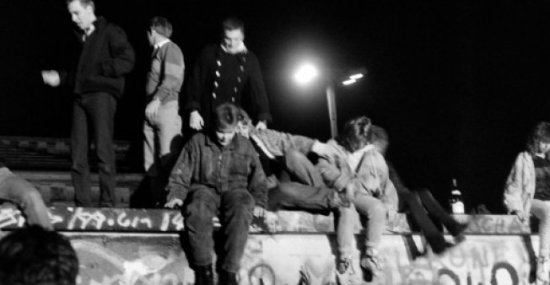
1989: The fall of the Berlin Wall in a bloodless revolution on November 9, 1989 is a joyous milestone in German history, ending 28 years of Cold War separation.

2016: Donald Trump was elected President of the United States of America. OK, the election was on November 8 but the Germans didn’t get the results until November 9.

So are we overdue here again, Germany? Maybe the Merkel regime will be ousted later tonight in a bloodless coup. Maybe not. Maybe there might be a little blood, too. Hard to say for sure. Stay home, stay tuned and keep your doors bolted shut.