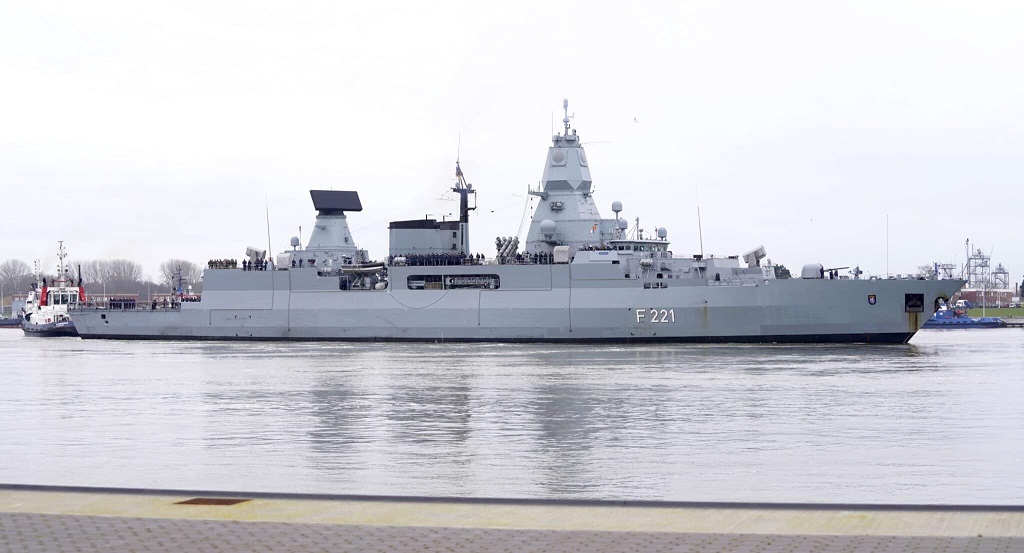
Predictably unpredictable

What do expect from a coalition government of three consisting of Green utopians, spendthrift social democratic regulation freaks and free-market capitalists (true liberals, in other words)?
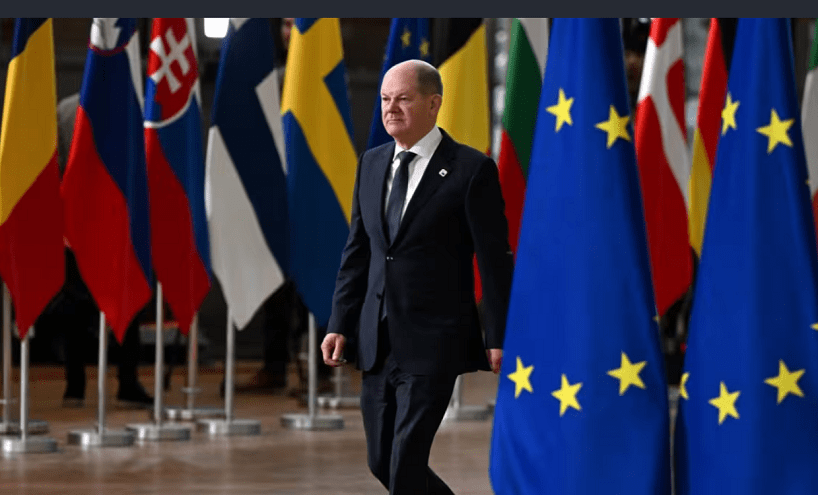
This is how Germans vote. Remember: “Every country has the government it deserves.” Just look at the Banana Republic itself, if you don’t believe me.

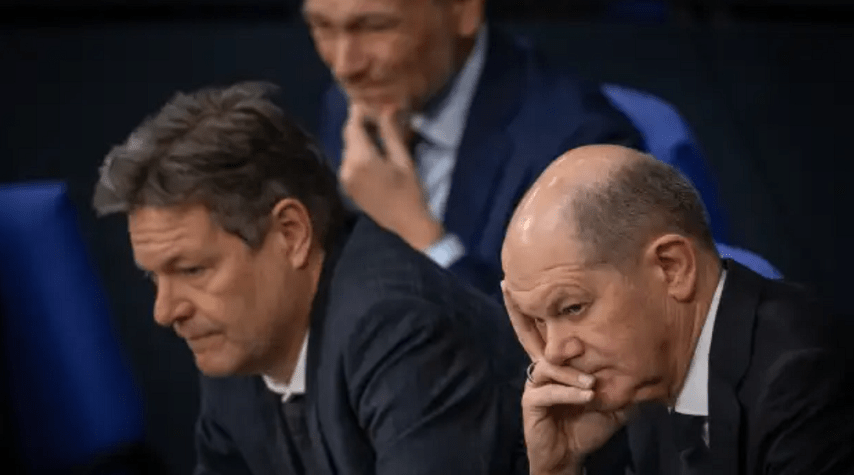
EU partners lose trust in Berlin after policy U-turns – Lawmakers and diplomats in Brussels express frustration at Chancellor Olaf Scholz’s unpredictable coalition.

For years Germany was seen as a rock of stability and predictability in the EU. These days, its partners wonder what curveball Berlin will throw at them next. 

Last week the German government sent shockwaves through Brussels by withdrawing its support for a piece of legislation that it had long appeared to back: the EU’s new supply chain law.
Who says Germany isn’t world-class anymore?

It’s achievements like these that will silence the critics.

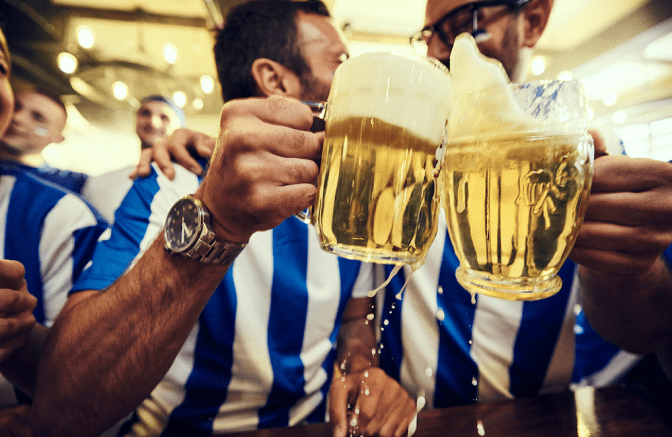
Germans beat record beer drinking session – More than 40 Germans from a gun club have smashed a drinking record in the island of Mallorca this week.

The group downed 1,330 2ooml glases of beer in a bar in Playa de Palma, meaning more than 10 pints were sunk per person on the group, or 5.8 litres of beer.

This epic session of drinking took 8 hours with the challenge beginning at around 11am and finishing at 7pm last Saturday.

“Off to a political start?”

There seems to be some misunderstanding here. The Berlin Film Festival has never not gotten off to a political start.

It moves on from there to a politcal midway point and then to a political end, for some political end, politically. It’s never been any different. That’s why the films they show here are always so crappy.

Berlin Film Festival Off to a Political Start as Three Protests Precede Opening Ceremony – After kicking off with a feisty press conference, the Berlin Film Festival got even more political as three groups of protesters descended on Potsdamer Platz before the start of opening night festivities.

German of the day: Na also, es geht doch

That means, more or less: “Well, what do you know? It’s possible after all.”

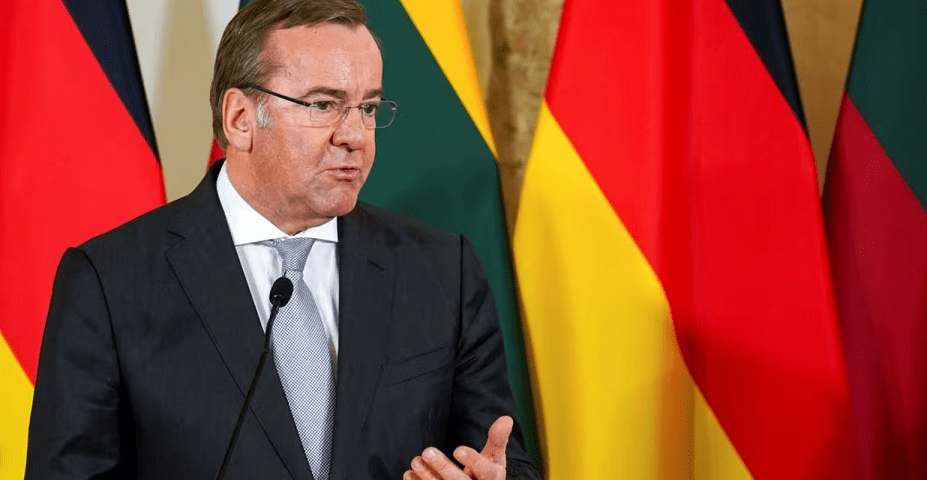
Germany hits 2% NATO spending target for first time since end of Cold War – Germany has met a NATO alliance target to spend 2% of its gross domestic product on defence for the first time since the early 1990s, a defence ministry spokesperson said on Wednesday, as spending ramped up after Russia’s invasion of Ukraine in 2022.

The German government is allocating the equivalent of 71.8 billion euros ($76.8 billion) for defence spending in the current year through regular and special budget outlays. However, the sum of its total defence spending is classified.

New measures “reflect widespread nervousness”

They reflect the widespread nervousness caused by the somewhat older new measures created to increase this widespread nervousness, a widespread nervousness that was increased by other new measures before them that much, much older new measures created in the first place.

You know the routine. Ritual, actually. “Right-wing extremism” is on the rise in Germany. It’s always been on the rise, of course. It’s been on the rise for decades and decades yet it never seems to rise quite high enough to satisfy those worrying about its rising. These are, at the moment, those politicians in the established parties being threatened by the AfD, a party that actually claims to be interested in addressing the migrant madness German voters want them to address, something these established parties refuse to do. They’re plotting to ban the AfD, in other words, because they are incapable of addressing the problems the electorate wants them to address.

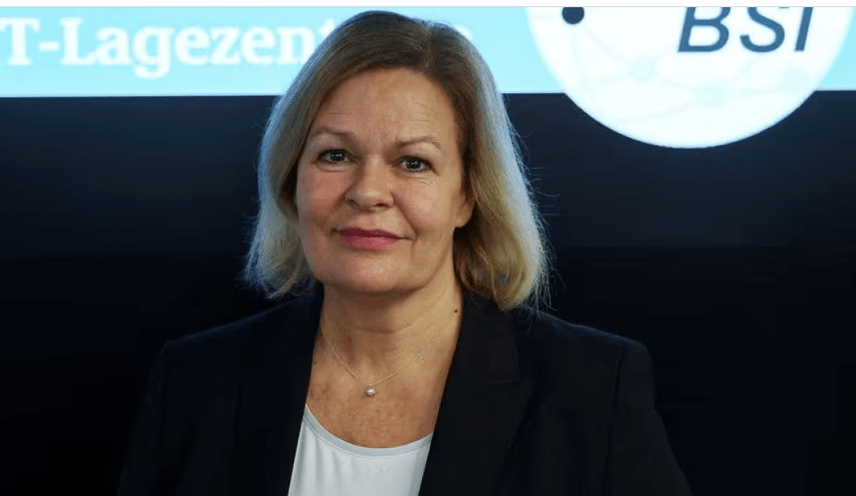
Germany bolsters gun curbs, financial policing to rein in far right – German Interior Minister Nancy Faeser on Tuesday unveiled measures ranging from stronger financial policing and earlier detection of so-called botnets to tightened firearms controls to tackle a far-right surge that has spooked the country.

The measures reflect widespread nervousness that the far-right Alternative for Germany party could end up the largest party in several state parliaments later this year, propelled by a gloomy economy and overburdened public services.

The Super Bowl was yesterday

Like, literally. Now it’s time for some real sports action.

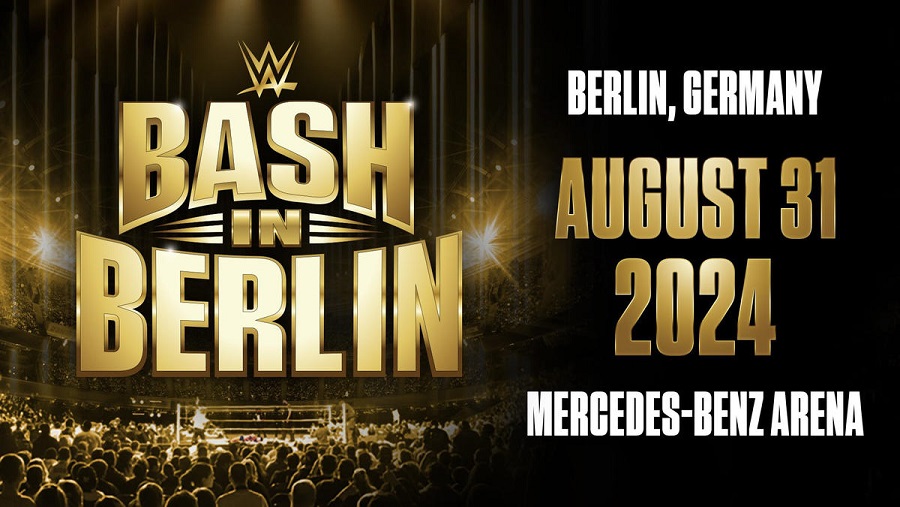
Final single event tickets for SmackDown and Bash in Berlin available Thursday – WWE, part of TKO Group Holdings, today announced that the final remaining single event tickets for SmackDown on Friday, August 30, and Bash In Berlin on Saturday, August 31, emanating from the Mercedes-Benz Arena in Berlin, Germany, will be available from 10 AM CET this Thursday, February 15, 2024, at http://www.ticketmaster.de.

Other than that, though…

Germany’s economy is doing just fine.

Germany’s economy is on shaky ground and glimmers of hope are few and far between – Good news has been sparse for the German economy. And the latest economic data has not done much to change this.

A few key 2023 data points, namely factory orders, exports and industrial production, were out last week and indicated a weak end to the year that saw questions about Germany being the “sick man of Europe” resurface.

German of the day: Ausladung and Ausgrenzung

Ausladung means to cancel an invitation.

Ausgrenzung means exclusion, marginalisation.

Co-head of the Berlinale justifies the cancellation with high pressure – The managing director of the Berlinale, Mariette Rissenbeek, has defended the decision to exclude AfD politicians from the opening gala. In the face of widespread criticism, it was “a very difficult gesture to say: ‘You are welcome!

AfD parliamentary group leader Brinker criticizes Berlinale decision as “exclusion.”

Beer, bratwurst and conspiracy?

Who could ask for more?

Other than maybe a few half-naked dancing girls.

Beer, bratwurst and conspiracy: Inside a meeting of Germany’s far-right AfD – … They came for an evening of conversation with the Alternative fur Deutschland (AfD), Germany’s leading far-right party.

To one camp, this meeting represented a call for political change; to the other, a risk to German democracy. That vehement disagreement is one being played out across the nation as it heads towards regional elections in September.

After far-right gains in several European countries, most notably in the Netherlands and Italy, Germany may follow suit.

PS: Sign in the photograph: “How many more Hitler documentaries do you need?”