German Blue Cards Going Like Hotcakes

A mass influx of skilled foreign laborers with “blue cards” to Germany is causing unexpected bureaucratic headaches and unsettling the already unsettled German xenophobic population at large.
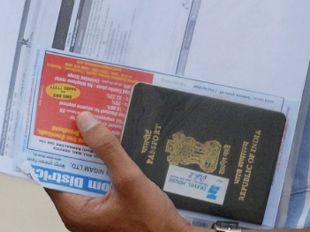
So far, a grand total of 139 (that’s 1-3-9) foreign professionals have received the coveted card, camparable to the US-Amerikan “green card,” since its introduction in August.

“Wow. We had no idea just how bad people wanted to come here,” said one suprised immigration official. “This was way too easy. But how are we going to find jobs for all these folks now?”

Skilled employees from outside the European Union have apparantly been lining up everywhere and eating their achy breaky yearning little hearts out in earnest for this envied piece of blue plastic for quite some time now, partly due, it seems, to Germany’s celebrated image of being an overly bureaucratic and unwelcoming place for foreigners of all non-German kinds.

“German immigration law is still complicated and not very transparent for foreign skilled employees.”

These Blackouts Happened All The Time Before The Energy Turnaround Too

Didn’t they?

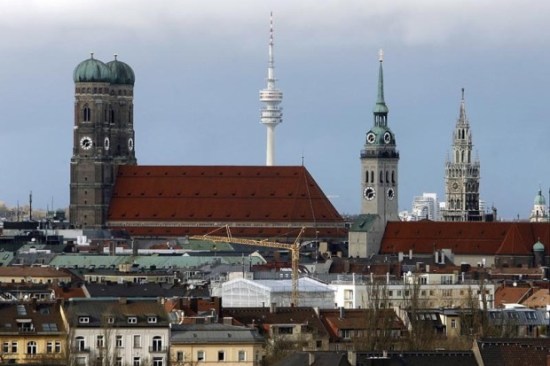
Munich was the next big German city that suddenly and inexplicably lost power in a big way. But there is absolutely nothing to worry about here, people, because/and I quote: “We do not know what caused the technical problem but it has nothing to do with the energy turnaround or all this talk about unstable power grids.”

Many Munich residents took to social networking site Twitter to voice fears that such power cuts could become more frequent as Germany implements a wide-ranging program to switch from fossil and nuclear fuels to renewable energy.

Stromversorgung in Deutschland laut Netzagentur trotzdem sehr zuverlässig.

Prioritäten Setzen

You know, to prioritize?

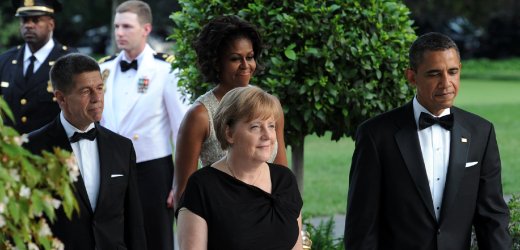
The refocusing of U.S. attention on Asia that marked Mr. Obama’s first term had already provoked much soul-searching among Germans about the relevance of the trans-Atlantic ties that for decades defined their existence.

The failure to announce any early state visit to Germany is still perceived in Berlin as a snub, and has helped fuel the urban legend that Mr. Obama has not forgiven Ms. Merkel for refusing to let him speak as a senator before the city’s heavily symbolic Brandenburg Gate landmark.

“Berlin is not only a place of German history, but of American history. It is the city where the Americans twice triumphed over evil, first the Nazis and then the Communists.”

Germans Have Psychological Issues With Regards To Amerika?

Like, dude. I honestly had no idea.

German schadenfreude knows no bounds, particularly when it comes to the United States. The country loves to feel superior to a superpower like America. Yet Germany also harbors a childish infatuation with Obama — one which has little political grounding. The reasons are psychological.

…The criticism of America has always been a bit infantile. One is familiar with the theory from psychoanalysis, when people talk about transference, or when suppressed feelings or emotions are overcome by projecting them onto others. It may work for a while, improving one’s feeling of self-worth by devaluing an imagined adversary. But it always falls short. Which is why the ritual must be constantly carried out anew.

Take Your Pick

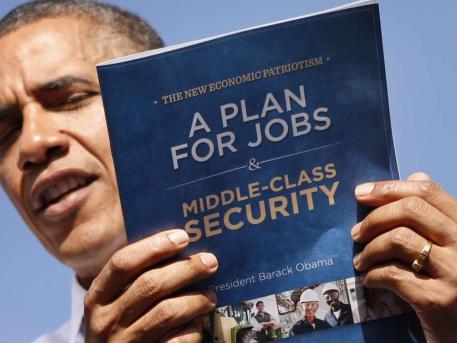
You can have the German headline Zahl der Jobs seit Obamas Amtsantritt gestiegen (the number of jobs has increased during Obama’s term of office)…

Or you can have the German headline Arbeitslosenquote steigt vor US-Wahl leicht (the jobless rate climbs slightly before the US election – with the emphasis on slightly here, people).

The main thing is that they both remain misleading. I guess this psychological prepping now will be needed later to explain how dumb and ungrateful Americans are (if Obama loses) or how truly deserving his magnificent victory really was (if he wins).

Man of man. You can almost cut the nervous German nervousness here with a knife right now.

Arbeitslosenzahlen lassen Obama aufatmen.

“Demonstratively Setting Politics Aside”

More objective German journalism in action here again, people.

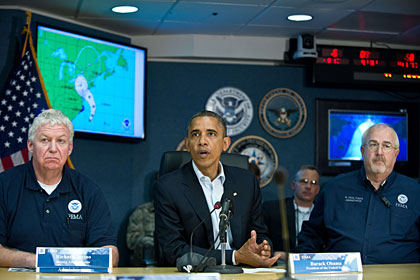
When a reporter then asked him, “What about the impact on the election, sir?”, the president answered soberly, unselfishly and energetically. “The election will take care of itself next week,” he said.

…Romney said he wanted to get rid of FEMA, the organization proving to be so important at the moment, calling disaster relief spending “immoral” when the focus should be on deficit reduction. “Every time you have an occasion to take something from the federal government and send it back to the states, that’s the right direction. And if you can go even further, and send it back to the private sector, that’s even better,” he said.

Hurricanes Help

Or at least that’s what Germans are openly hoping for right now.

The economic figures don’t really look very good, and although he (Obama) is more popular with the people (more popular than Gerhard Schröder was with German voters ten years ago before he was thought to have been “saved” politically by his perceived handling of the Elbe flooding catastrophe), he is behind in the polls. But maybe now a natural catastrophe could help him, too: Hurricane Sandy.

“Kein Präsident oder Kandidat darf auf eine drohende Naturkatastrophe mehr unterreagieren.”

Expats Pouting?

He may be the World President, but is he still ours?

“There’s a high interest (in voting) among expats in Germany, but I sense those on the Democrat side aren’t as fervent today as they were in 2008. There’s intense disappointment in President Obama’s leadership.”

Meanwhile… An opinion poll by the Emnid polling institute found 87 percent of German nationals would vote for Obama and only 5 percent for Romney if they had the chance to cast ballots.

Enthusiasm for Obama wanes among U.S. voters in Europe