German Of The Day: Geschichtskompensatorische Moralüberhebung

A prime example of how Germans can just create cool new words/concepts at will, this means, I think, the morally overbearing attempt (by Germans) to compensate for their history. Think of this within the context of the current refugee crisis, if you please.

History

Germany’s new weight in the world is provocative but when German politicians attempt to deny its existence and try to flee instead back to their “dealing with the past”-policy (Vergangenheitspolitik) they irritate all the more.

Germany’s refugee policy is a textbook example of this German sickness (according to Heinrich August Winkler), a separate path (Sonderweg) par excellence. The federal government is now completely isolated, ergo its policy has also been refuted. And the motive behind this German madness lies in – what else? In its overbearing attempt to compensate for history.

Deutschlands neue Größe provoziert, doch wenn deutsche Politik diese neue Größe verleugnet und sich stattdessen in ihre Vergangenheitspolitik flüchtet, dann provoziert das noch mehr.

Die deutsche Flüchtlingspolitik ist für Heinrich August Winkler nun ein Lehrbuchfall deutscher Krankheit, ein Sonderweg quasi wie gemalt. Denn die Bundesregierung sei völlig isoliert, ergo auch widerlegt. Und das Motiv für diesen deutschen Irrsinn liege – wo sonst?! – in geschichtskompensatorischer Moralüberhebung.

PS: And who says the Left can’t have it’s cake and eat it, too?
German Of The Day: Das war knapp!

Meaning that was a close call.

Flughafen

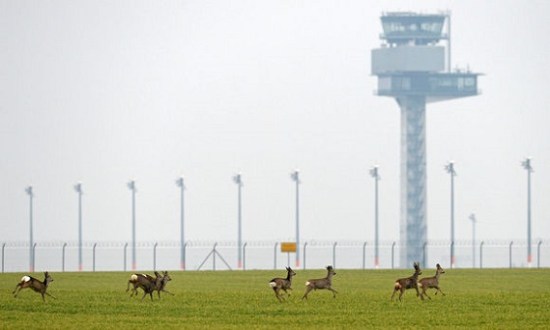
For a moment there it almost appeared as if the city of Berlin might somehow actually manage to complete the construction of the Mother of All Politically Engineered Airport Absurdities by the end of 2017. But only for a moment. Whew. The more things don’t change, the more they stay the same.

Travelers are set to wait still longer for Berlin’s much-delayed new airport to open, as city media report that a provisional opening date in late 2017 is no longer achievable.

Niemand hat die Absicht, einen Flughafen zu errichten.*

*Nobody has the intention of building an airport. Get it? You know, like nobody had the intention of building a wall? The only difference is that they got that wall up in no time.

German Of The Day: Späti

Speaking of Berlin… Finally there’s something this town can do really well: The Spätkauf or “open late” corner shop.

Späti

These late night places are everywhere in Berlin and, as the article linked to here rightly points out, “The Spätkauf in Berlin is not just an opportunity to go shopping, it’s also a social center for entire neighborhoods.” Or it’s an asocial center at the very least. There are guys at my Späti who seem to spend the whole summer hanging out around there, supporting the local beer industry in the process. Hey, somebody’s got to do it.

Mensch ist man dort, wo sie zu meinem Hund „meine Sonne“ sagen: Der Spätkauf ist in Berlin nicht nur Einkaufsgelegenheit, sondern auch soziales Zentrum ganzer Nachbarschaften.

“I can sing the Ode to Joy in German!”

Boris Johnson then added that “the French and German failure to get our jokes was a reason to vote Leave” the European Union (Brexit).

“There is simply no common political culture in Europe; no common media, no common sense of humour or satire and – this is important – no awareness of each other’s politics,” he said.

Dammit, that makes sense! Or at least I think it does.

“No, I don’t believe that leaving the EU would cause World War Three to break out on the European continent.”

German Of The Day: Mittelschicht

That means middle class.

And here you thought that your middle class was shrinking. And it is, of course. But the German middle class is shrinking, too. And “it’s shrinking as quickly as the middle class in the U.S.” It’s down to 54 percent of the population, from 60 percent 20 years ago.

Der Anteil der Mittelschicht an der Bevölkerung ist in Deutschland in den vergangenen Jahrzehnten auf zuletzt 54 Prozent geschrumpft. Rund 20 Jahre zuvor lag er noch bei 60 Prozent. Vergleicht man die Entwicklung von 1991 bis 2013, schrumpfte die Mittelschicht in Deutschland genauso stark wie in den USA.

German Of The Day: Bollerwagen

That means handcarts. Handcarts filled with beer.

Booze

And if a handcart isn’t available on German Father’s Day (Ascension Day) then you can always use a baby buggy or a shopping cart to put your booze in.

Es ist kompliziert. Warum aus Christi Himmelfahrt auch der Vater- und Herrentag geworden ist, lässt sich nicht mehr so recht nachvollziehen. Es wird spekuliert, dass die Prozession der Jünger Jesu zu einem Berg als Vorbild für die Männer mit Bollerwagen dienten.

German Of The Day: Spießer

A Spießer is a fuddy-duddy. You know, like those fussy, old-fashioned and traditionalist folks who still insist on burning things down on May 1 in Germany?

Spießer

Incapable of learning any new tricks, and still living in a fantasy world based upon stories about some mythical, imaginary past that their Spießer grandparents and parents read to them as small children, they are no longer able to understand that nobody in today’s real world is interested in their outmoded tastes and manners anymore and, accordingly, becoming frustrated by the lack of attention they receive when resorting to violence, resort to violence.

Traditionsgemäß haben zum 1. Mai linke Gruppen in Berlin und Hamburg demonstriert.

Money Doesn’t Stink In Germany

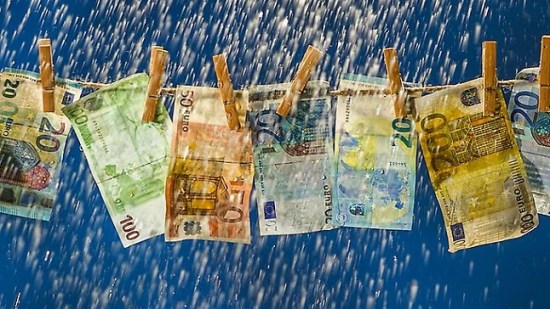
That’s because it gets laundered here so much. Get it?

Laundering

Over 100 billion euros gets processed here every year. They even call it Geldwäsche (money washing). That sounds a lot more, I dunno, cleaner than laundering does, don’t you think?

Germany is considered an El Dorado for criminals who want to launder their money, a study for the Finance Ministry has found.

Money laundering deals that take place outside of the finance sector go largely undetected in Germany – meaning a large proportion of all illegal business is never found, the report claims.

So like why go to the trouble of opening some fake offshore company in Panama?

Nur Bares ist Wahres?

German Of The Day: Majestätsbeleidigung

That means a slight or an insult against a sovereign majesty-type person (lèse majesté).

Law

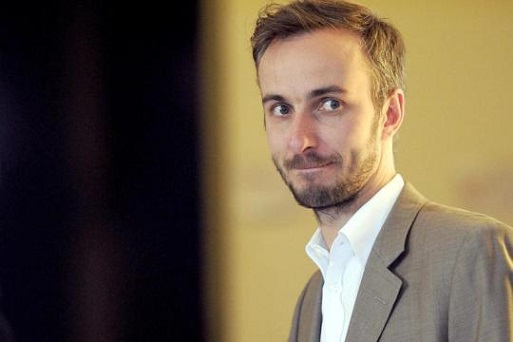
You know, the crime German comedian Jan Böhmermann recently committed against the Top Sultan What’s in Charge in Turkey? In the year 2016, I mean?

Anyways, this law, paragraph 103, is still on the books here in Germany and Hamburg’s justice minister has decided to go way out on the limb here and give it a shot and see if he could maybe sort of like get rid of this ridiculous piece of legislation already. It would be a big step forward into the unknown and all that, of course, but I, for one, am convinced that German civilization will be able to handle it.

Die Justizbehörde geht davon aus, dass das Gesetz noch vor der Sommerpause gestrichen werden könnte und das Verfahren gegen Böhmermann dann eingestellt werden müsste. Davon unberührt blieben jedoch Ermittlungen gegen Böhmermann wegen Beleidigung nach Paragraf 185 Strafgesetzbuch.

Speaking Of State Control…

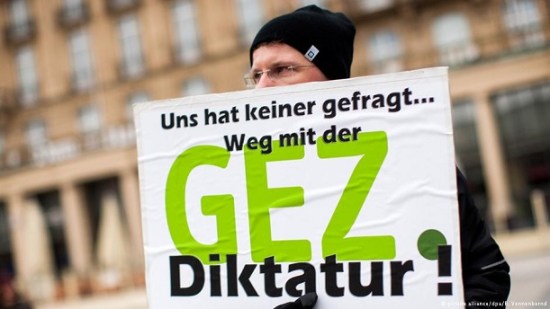
There may not be any punishment here for producing awful television shows but if YOU get sassy and don’t pay your GEZ TV tax (or “mandatory fee,” as the tax collectors prefer to call it) you can go to jail.

GEZ

I’m not making this up. All German households must shell out 17.50 euros ($20) a month to watch great entertainment like Traumshiff, Lindenstrasse and Tatort, Tatort, Tatort as well as be submitted to propagandistic-indoctrination-like nightly news programs à la the Tagesschau by those good old fashioned unelected and nameless state TV official folks over there at the ARD and the ZDF (exhale now). Or else.

A woman was freed from prison after a court in Chemnitz had admitted that they had kept her in custody for 61 days because of her refusal to pay the GEZ fees.

Regional state broadcaster MDR applied for an arrest warrant against Sieglinde Baumert in September 2015 in an attempt to force her to sign a statement about her assets, which she refused because, as she told “Die Welt” newspaper, “With my signature I would confirm the legality of the mandatory fees.”

“I feel patronized, I get the decision taken away from me about what I’m paying my money for.”