Doing Business With Communist Regimes R Us

You won’t regret it, Pyongyang! Germans have always been the one-stop experts when it comes to laying the groundwork for foreign investment in crumbling shithole communist states!

Kim Jong Un

And here are just a few of the bennies your North Korean “companies” will soon be getting out of the coming deal:

We have absolutely no problem validating communism – we’ve been doing it for decades!

Our proven track record of indifference to the suffering populations under oppressive totalitarian regimes is virtually unmatched in the Western World!

Our economists and lawyers are all “can do will do” when it comes to selling expensive stuff to bullies of all varieties, no matter how bizarre, deranged or absolutely wacko they may be!

That is why you know that we support your latest master plan wholeheartedly – and we Germans KNOW a thing or two about master plans, too.

So remember Kim Jong: We are the pros when it comes to helping you help ourselves to help you help ourselves while helping you help us in the process.

“There is a master plan. They want to open up this year.”
Brilliant “Master Solution” Falling Apart

When “good guys” like the Deutsche Bank get raided after being suspected of incorrectly claiming some €211 million in tax rebates from the trade in carbon tax certificates, then it’s time to also suspect that the days of this nonsensical European emissions trading have finally reached their end.

Cap-and-trade

In case your were wondering: Emissions trading or cap-and-trade is a market-based approach used to control pollution by providing economic incentives for achieving reductions in the emissions of pollutants.  A central authority (usually a governmental body) sets a limit or cap on the amount of a pollutant that may be emitted. The limit or cap is allocated or sold to firms in the form of emissions permits which represent the right to emit or discharge a specific volume of the specified pollutant. Firms are required to hold a number of permits (or allowances or carbon credits) equivalent to their emissions. The total number of permits cannot exceed the cap, limiting total emissions to that level. Firms that need to increase their volume of emissions must buy permits from those who require fewer permits.

Well, it turns out that the European “carbon market” is now flooded and recent EU efforts to fix the system have only served to highlight how lame it is, yada, yada, yada, thus further eroding the price of a ton of carbon dioxide emissions permitted. Government intervention at its best again, in other words.

You know how that old saying goes: “The nine most terrifying words in the English language are ‘I’m from the government and I’m here to help.’

EU-Klimakommissarin Connie Hedegaard will den Preisverfall der CO2-Zertifikate stoppen, der nach ihrer Meinung ein System unterminiert, das einst als Meisterlösung für die weltweite Klimaverschmutzung gepriesen wurde.

Secret Weapons Deals?

Since when has any of this been a secret?

Made in Germany.

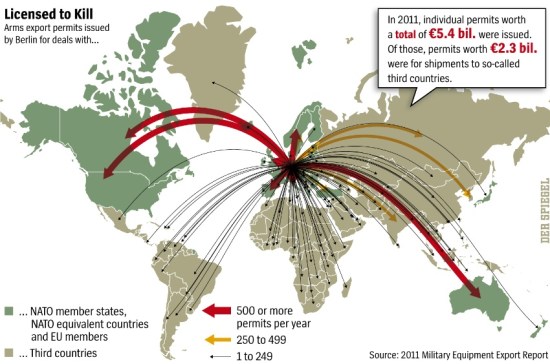
That Germany is the world’s third largest weapons exporter, I mean (preferably to the Middle East these days, by the way). So what’s the problem here? Germany is simultaneously the world’s number one pacifist nation too, you know.

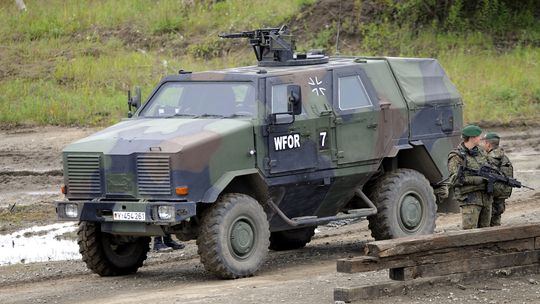
But to make matters even, uh, better, some here are unabashedly calling this enlightened policy “the Merkel Doctrine” now: It’s better to maintain peace by selling weapons, rather than have to fight for it. They have to be German weapons, of course. But still. You know, help those who help themselves while you’re helping yourself at the same time?

Wait a minute. Hasn’t that always been the doctrine here?

Waffen verkaufen, statt selber zu kämpfen.

You Can’t Even Count On German Hypochondria Anymore

One can only muster up just so much angst, I guess. Even if you’re a German. There’s just never going to be enough of it to go around to make everybody happy. I mean unhappy.


That’s right. Current German Angstzustände (states of anxiety) just ain’t what they used to be. German angst being the complex, ever-changing and unstable condition that it is, a new Forsa study has indicated that, for the moment at least, Germans are actually more frightened of the ongoing European debt crisis than they are of the worries they make about their own health, or lack of it.

How it could come to this unexpected result is very puzzling for many, myself included, but one researcher has come up with a startling new theory that might explain this sudden and eerie angst turnaround. He believes that the permanent media reports about sicknesses and health risks stir up people’s worries and fears (duh), but with all the media attention being focused on the debt crisis these days, common disease mongering has simply been coming up too short on the angst Skala (scale).

Boy I sure hope that they finally get this Eurpean debt crisis crap over with soon so we can get back to business.

“Es scheint, als ob permanente Medienberichte über Krankheiten und Gesundheitsrisiken auch die Ängste der Menschen schüren.”

Electricity Prices Rising Dramatically For Some Reason

In a puzzling move that absolutely no one can explain, more than 200 German power suppliers have announced that they will be making big price hikes in the coming year. Consumers will then pay about 11 percent more on average.

Some experts speculate that the unexpected price increases could have to do with the costs associated with the increased efficiency and service currently being witnessed throughout the industry (see yesterday’s post). Others have surmised that these increased costs will be needed by the industry in the winter months to help fight global warming, or cooling in this case. Another group of experts believes that this dramatic move was prompted because Germans, already long used to paying some of the highest energy bills in Europe, just won’t notice and/or care.

Die Preissteigerungen begründen die Konzerne mit den gestiegenen Kosten für die erneuerbaren Energien.

This Just In: Germans Drive Too Fast

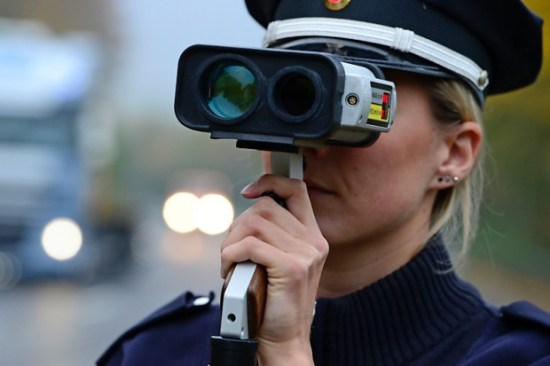
During something they’re now calling a Blitz-Marathon (speed trap marathon), some 4000 German police caught some 30,000 German speeders during a large-scale 24-hour, well, speed trap marathon.

338 of these speed freaks were driving so fast that they are now facing a driving ban.

Germans everywhere are nevertheless empört (indignant) about this sneaky police campaign, however, because… Because, uh… Well, because Germans everywhere drive too fast. That’s just what they do.

Der schnellste Raser sei auf der Autobahn bei Düsseldorf mit 176 statt der erlaubten 60 Stundenkilometer erwischt worden.

Get A Job 101

You couldn’t make this stuff up if you had to, people. Not that anybody cares about Germany’s Pirate Party anymore, but I do have to admit that these guys still keep coming up with real zingers.

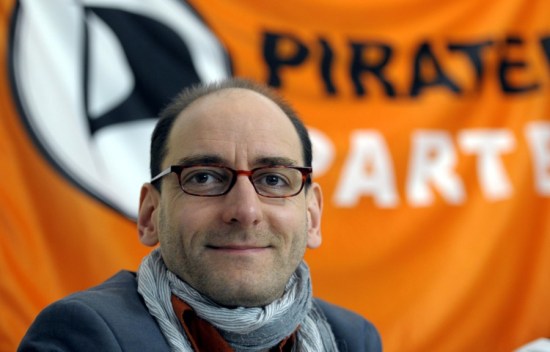
The latest coup: The party’s general manager in Berlin, Johannes Ponader, up until now a proud and long-term welfare recipient, is now celebrating his closing with this stage of his life (for now, anyway) by openly calling for public donations to help him finance his hard-pressed, well, livelihood (or lack of it).

Strangely, this actually seems to have upset some of the other pirates out there (they seem a bit touchy these days for some reason) who think that maybe this might cause some kind of a Glaubwürdigkeitsdilemma (credibility dilemma) or something. As if.

Like I said, not that anybody cares anymore or anything.

“Hier entsteht der Eindruck, dass jemand politische Ideen mit persönlichen Vorteilen verknüpft.” 

Big Sister Assures Germans That 47-Percent Price Hike Actually Not Such A Bad Thing If You Think About It

Not.

Worried about grassroots unrest after Germany’s electrical grid operators announced they were nearly doubling the charge consumers will pay to finance subsidies for renewable energy as Germany phases out nuclear power, Big Sister herself has reacted boldly and decisively by going into hiding and pretending as if none of this were really happening.

Long used to this tactic, worried German consumers were assured, sort of, as they will now be paying an additional 60 euros per year, “taking overall add-on power taxes up to about 185 euros.” But that’s just the start, of course.

Sheesh. Why do Germans see everthing energy turnaround-related so negatively these days? You know, like as in black? Or like as in blackouts, I should say?

“The costs for consumers and industry of the electricity price charge for renewable energy has risen to an unbearable degree.”