Are we having a “Germany First!” yet?
Are we having a “Germany First!” yet?
That means to stay cool.
This is very important. Especially when the last thing you are is cool.
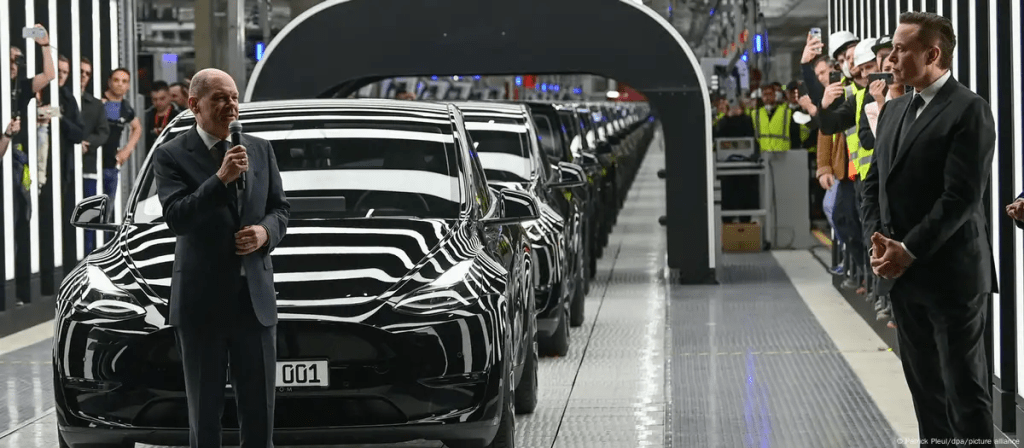
Germany: Scholz uneasy over Musk’s support for far-right AfD – Elon Musk’s public endorsement for the far-right AfD has the country’s top leaders worried of undue influence on German democracy ahead of the February snap election.
Scholz on Musk’s attacks: ‘Stay cool’ – Musk, a top adviser to US President-elect Donald Trump, has been commenting on German politics on his social media platform X for days now.
Because of a discussion on X?
Discussions with the AfD aren’t allowed in Germany. That’s the real disrespect, defamation and interference.
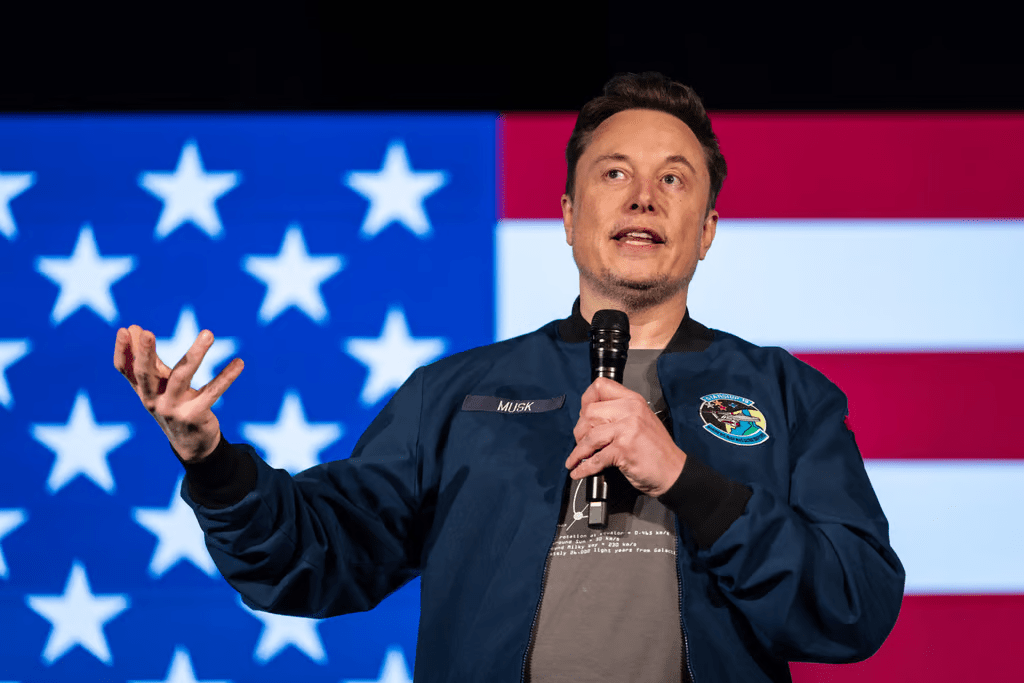
Musk plans discussion with German far-right leader on X – The live chat with the AfD’s chancellor candidate is proposed as Germany’s political leaders accuse the tech billionaire of election interference…
The German government must clarify “whether the repeated disrespect, defamation and interference in the election campaign were also expressed in the name of the new U.S. government,” Rolf Mützenich, a prominent politician from Germany’s Social Democratic Party, told German outlet Spiegel.
Duh. By not being far left.

Much less far left batshit crazy.
AfD: How Germany’s far right won over young voters – For the first time, 16-year-olds in Germany were able to vote in the 2024 European Parliament elections. The far-right populist Alternative for Germany party’s targeted social media campaign appears to have paid off.
The far-right populist Alternative for Germany (AfD) made gains in almost all age groups in the 2024 European elections, but its biggest success was among young people. In the last EU election, in 2019, one in three voters younger than 24 chose the Green Party, and the far-right AfD garnered just 5% of the young vote.
It’s inexplicable. Why on earth would Europeans by voting for the right?

Something seems to bothering the electorate that we professionals in power have not been able to understand. Oh well. I suppose it’s one of those mysteries we will never be able to solve…
In Germany, the EU’s most populous nation, projections indicated that voters had not been dissuaded by the AfD’s scandals as it rose to 16.5%, up from 11% in 2019. In comparison, the combined result for the three parties in the German governing coalition barely topped 30%.
He didn’t “intentionally use a banned Nazi slogan.”

If you watched the clip, and were fair in your judgement, you would agree. If you want to say the words “everything for Germany” is a Nazi slogan you can, of course (they used it), but something tells me uttering these words didn’t originate with them, nor are they the exclusive property of Adolf Hitler & Co.
You don’t have to like this guy or his politics or his political party to see that “the system” is out to get him (and them). The court system has been weaponized here, in other words. Boy oh boy it sure is good to know that that type of thing could never happen in US-Amerika, right?
German far-right leader intentionally used banned Nazi slogan, court rules – Alternative for Germany politician Björn Höcke was fined for uttering a phrase employed by Hitler’s storm troopers.
A leading politician for the far-right Alternative for Germany party (AfD) has been convicted by a German court of using a banned Nazi slogan — a decision that is unlikely to dissuade the party’s core supporters in its eastern strongholds.
Björn Höcke, who heads the AfD in the eastern German state of Thuringia, was fined €13,000 for closing a 2021 campaign speech with the phrase: “Everything for Germany!”
Don’t listen to what the electorate actually wants (an end to the migrant madness), the thing that forced them into the arms of the AfD in the first place.

Just label them “undemocratic” (the votes the AfD gets apparently aren’t as democratic as those of the established parties) and then bump them off.
Germany: Court says far-right AfD is suspected of extremism – The move, which upholds a lower-court ruling the party had challenged, means intelligence services can continue to monitor AfD activities and communications…
For years discussions about a ban have surfaced regularly. Critics of the idea say that would simply play into the AfD’s hands by boosting its narrative of victimisation.
Legally it would also be difficult, time-consuming and possibly be rejected by the constitutional court.
But with each new scandal involving the AfD, calls grow louder from all mainstream parties to investigate whether there are at least sufficient grounds to try.
Having the snout full means to be fed up with it, to be sick to death of it.
And the German Greens are filling up everybody’s snouts these days.
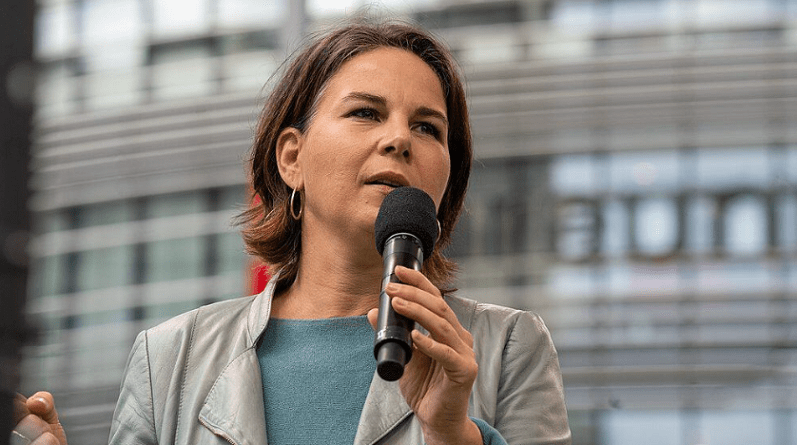
Germans Fed Up With Greens as Founding Member Resigns – The aggressive policies of the German Greens have alienated not only many voters in Germany but also their own supporters, including one of the founders of the party who has accused them of pursuing a warmongering foreign policy…
Annalena Baerbock, the young, inexperienced minister of foreign affairs, has promised to introduce a ‘feminist foreign policy,’ but she seems helpless in the face of the momentous challenges posed by the Russian-Ukraine war. The Greens have converted from a ‘pacifist’ party into the most belligerent party of all.
What do expect from a coalition government of three consisting of Green utopians, spendthrift social democratic regulation freaks and free-market capitalists (true liberals, in other words)?
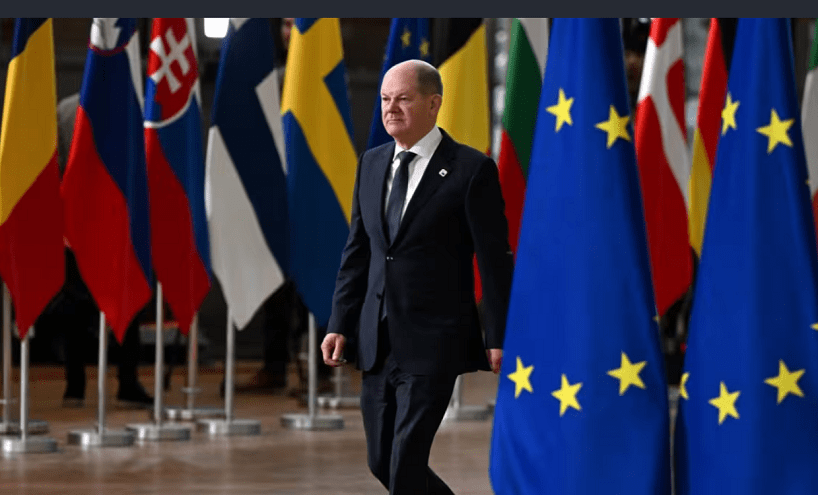
This is how Germans vote. Remember: “Every country has the government it deserves.” Just look at the Banana Republic itself, if you don’t believe me.
EU partners lose trust in Berlin after policy U-turns – Lawmakers and diplomats in Brussels express frustration at Chancellor Olaf Scholz’s unpredictable coalition.
For years Germany was seen as a rock of stability and predictability in the EU. These days, its partners wonder what curveball Berlin will throw at them next.
Last week the German government sent shockwaves through Brussels by withdrawing its support for a piece of legislation that it had long appeared to back: the EU’s new supply chain law.
They reflect the widespread nervousness caused by the somewhat older new measures created to increase this widespread nervousness, a widespread nervousness that was increased by other new measures before them that much, much older new measures created in the first place.
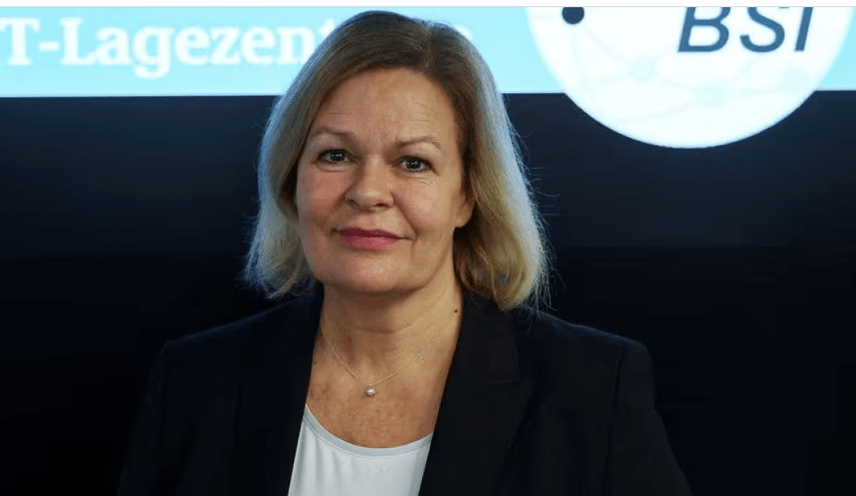
You know the routine. Ritual, actually. “Right-wing extremism” is on the rise in Germany. It’s always been on the rise, of course. It’s been on the rise for decades and decades yet it never seems to rise quite high enough to satisfy those worrying about its rising. These are, at the moment, those politicians in the established parties being threatened by the AfD, a party that actually claims to be interested in addressing the migrant madness German voters want them to address, something these established parties refuse to do. They’re plotting to ban the AfD, in other words, because they are incapable of addressing the problems the electorate wants them to address.
Germany bolsters gun curbs, financial policing to rein in far right – German Interior Minister Nancy Faeser on Tuesday unveiled measures ranging from stronger financial policing and earlier detection of so-called botnets to tightened firearms controls to tackle a far-right surge that has spooked the country.
The measures reflect widespread nervousness that the far-right Alternative for Germany party could end up the largest party in several state parliaments later this year, propelled by a gloomy economy and overburdened public services.
 Observing Hermann