Brewing Has Always Been Big In Germany

An Industrial Crisis Is Brewing in Germany – The country’s position as the “engine of Europe” is under genuine threat.
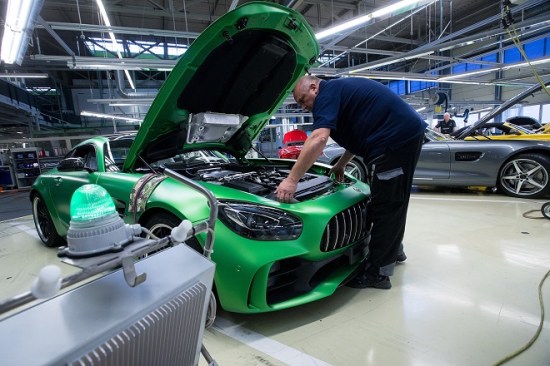
Germany’s industrial sector contributes more than one-fifth of GDP and is usually a huge asset. Right now this export engine is pulling the economy down. Signs of distress are everywhere. German manufacturing activity is at a decade low, according to IHS Markit’s purchasing manager’s index. The Ifo Institute estimates that more than 5% of manufacturing companies have cut working hours and about 12% expect to do so during the next three months. German machinery orders declined 9% in the first six months of the year, according to the VDMA association, which represents the country’s engineers. In chemicals and pharmaceuticals, domestic production fell 6.5% in the first half of the year, while domestic car output has fallen 12% this year. Auto exports have dropped 14%.
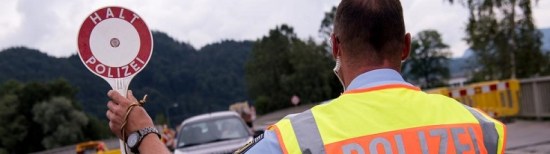
German Of The Day: Schleierfahndung

That means targeted or dragnet searches.

You know. Like the kind you do on your nation’s borders that aren’t actually borders anymore because you belong to something called Europe now (apparently you didn’t belong to Europe in the past) and doing so would send an “anti-European signal” so you don’t really want to but you’re going to anyway? Yeah, those kind.

Germany is to carry out more random border checks to discourage migrants from moving illegally around the European Union (EU).

The move will see more police officers sent to border zones in an attempt to crack down on “secondary migration” — the illegal movement of non-EU migrants between EU member states — according to a Sunday tweet from the Interior Ministry.

“Anti-europäisches Signal.”

It’s Called Paranoia

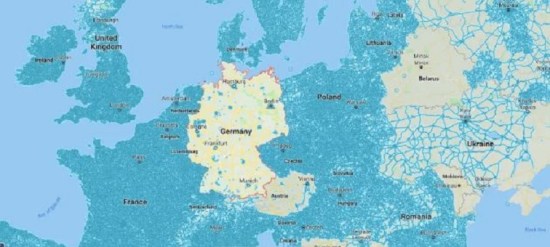
Why is Germany a blank spot on Google’s Street View? See above.

Paranoia

There are good historical reasons why Germans are suspicious of surveillance — but is Google as bad as Gestapo or Stasi?

It’s to do with Germans’ curious sense of privacy: they’d rather flaunt their private parts than their personal data…

While public nudity is a big no-no in the United States for example, Germany has a long tradition with what is known as FKK – short for Freikörperkultur, or “Free Body Culture.” Certain beaches and areas of city parks are dedicated to nude sunbathing, and even Nacktwanderung (“nude rambling”) is a thing.

On the other hand, Germans are extremely possessive of their personal data — and are shocked by the readiness with which Americans (and others) share their names, addresses, friends’ lists, and purchase histories online.

According to research presented in the Harvard Business Review, the average German is willing to pay as much as $184 to protect their personal health data. For the average Brit, the privacy of that information is only worth $59. For Americans and Chinese, that value declines to single-digit figures.

Wane’s World

Normally I’d say don’t let the door hit you on the way out, Angie but the Germans have this saying: Totgesagte leben länger: Those reputed to be dead live longer.

Wane

I don’t think this woman is ever going to leave.

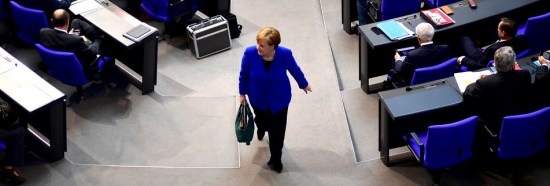
Merkel’s political twilight sees Germany’s influence wane – As the chancellor’s final term ticks away, her ability to set the political agenda is diminishing fast.

… For some in Berlin, the French leader’s gambit reflected a broader trend — Germany’s waning influence on the international stage. There was a sense that Paris had simply stepped into a diplomatic vacuum once occupied by Berlin. “Macron can only be this active because Germany has become so passive,” says Omid Nouripour, foreign affairs spokesman for Germany’s opposition Greens.

Ms Merkel, in her twilight as chancellor, embodies this perception of decline. As her last months in power tick away, her ability to set the political agenda appears to be diminishing fast.

“We live in an age when people want someone to give them direction, and they won’t get it from her.”

Terror In Da House!

We don’t rap against Israel. We just rap for military action against Tel Aviv.

Terror

And for the destruction of Israel. But that’s different than rapping against Israel. Ain’t no big deal. Performances like these take place all the time in Paris, London and Washington, right? Go, Berlin. Go, Germany.

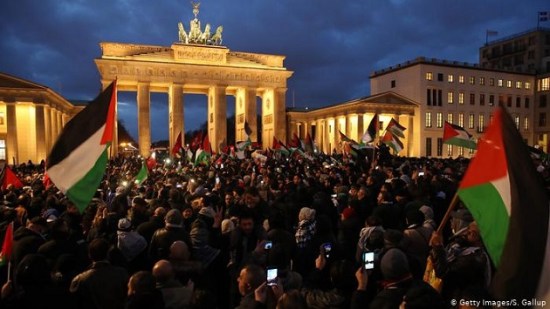
Controversial Palestinian rappers to perform at Berlin’s Brandenburg Gate – Known for their anti-Israel lyrics, Palestinian rappers Shadi Al-Bourini and Shadi Al-Najjar will headline a so-called “solidarity rally” held by Palestinian groups that the Israeli ambassador to Germany wants banned.

Palestinian rappers Shadi Al-Bourini and Shadi Al-Najjar are at the center of the controversy, with Berlin daily newspaper, the Tagespiegel, reporting that the duo released the song “Strike a Blow at Tel Aviv” in 2014 during the Israel–Gaza conflict in which “they fantasize about bombing the Israeli city of Tel Aviv, razing it to the ground and ‘crushing’ Jews.” The rappers have also attracted attention for their use of anti-Semitic symbolism.

Strike a blow at Tel Aviv. Strike a blow at Tel Aviv. Strike a blow at Tel Aviv and frighten the Zionists. The more you build it the more we will destroy it.”

Save Planet Earth’s Climate?

Hell yes! Count me in.

Climate 1

Climate 2

Clean up my own neighborhood? Nah, I think I’ll pass on that one.

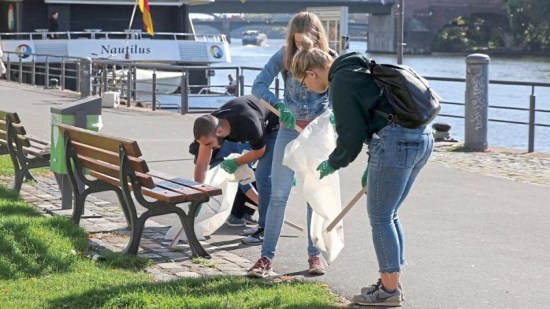
A “Fridays for Future” demonstration will get 40,000 German environmental activists out on the street in no time. A call to clean up the local neighborhood on “World Cleanup Day” might get about 100 to 150 out of bed (here Frankfurt).

These World Cleanup Folks clearly don’t get the deal. Abstract heroics is were the money is – I mean, people are.

Nur rund 1000 kamen zum großen Aufräumen, sammelten vier Tonnen Müll. Am Main, in Sichtweite des Camps der „Fridays for Future“-Macher, verschlug es gerade mal 150 Freiwillige.

How Will Germany Pay?

Like, duh. The same way Germany pays for its Syrian migrants (three out of four live off the German welfare system). The captive taxpayer audience will pay. Always has, always will. Gladly, even.

Climate

How Will Germany Pay For Its €50bn Climate Plan? After months of intense negotiations between the governing parties in Berlin, Germany on Friday announced a €50 billion package of measures designed to help the country meet its 2030 emissions reduction goals.

Just so you know: Citizens in ridiculously expensive Switzerland already pay half of what the Germans pay for their energy now. And in France, the people take to the streets to protest rising energy costs (gilets jaunes). In Germany, the people take to the streets to protest the latest planned energy price increases not being high enough. German voters want this, in other words. It’s psycho here, folks. I keep telling myself “it’s only a movie, it’s only a movie…” but, sadly, I know it’s real life. As real life as German reality can get.

Strompreise steigen auf Rekordhöhe – auch Gas ist teurer.

No Contradiction Here

No more than anywhere else in Germany, I mean.

Contradiction

Everything contradicts itself here. Otherwise they wouldn’t call this place Germany. It’s einfach kompliziert (simply complicated) in this country. Germans don’t like or want electric cars, for example, but are obsessed with “saving the climate.”

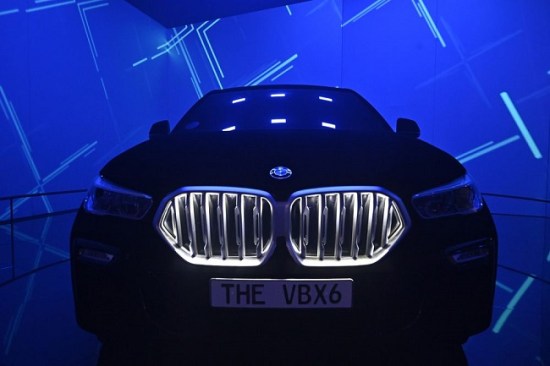
With the contradiction between Germans’ climate anxiety and their love of huge SUVs, it’s no surprise that carmakers are struggling – Amid trade wars and plunging China sales, the number of cars rolling off Germany’s production lines has dropped by 12% this year and exports by 14%. European auto sales fell 3% in the first eight months of 2019. 1 With demand expected to remain weak for a couple of years, the German parts supplier Continental AG isn’t ruling out cuts to working hours and jobs.

Meanwhile… Riding a bike and car-sharing have become a genuine alternative in cities such as Berlin.

The Only Country To Let In More Migrants Than Germany Is Germany

Just kidding. It’s US-Amerika. But still.

Migrants

The Organization for Economic Co-operation and Development (OECD) on Wednesday said Germany is the second-largest destination for migrants.

“Since 2015, European OECD countries have collectively received more permanent migrants that the United States,” said the organization in a report. “Nevertheless, the United States remains the largest single destination country for migrants, followed by Germany.”

At the height of the European migration crisis in 2015, nearly 900,000 migrants entered Germany under Chancellor Angela Merkel’s open-door policy, many of them seeking asylum.

The numbers were and are higher, of course. But who’s counting?

These Old Germans Are Doing It All Wrong

The number of people relying on food donations has increased to 1.65 million in the past year, a 10% increase overall, and 20% increase among people 65 and older.

Food

They need to approach this problem differently.

1) Go to Austria.

2) Throw away your passport.

3) Enter the country as a refugee from, well, it doesn’t really matter where you’re from as long as you call yourself a refugee.

You’ll get free room and board for as long as you want

“This development is alarming — old-age poverty will overrun us in the coming years.”